Countless doctors and scientists work tirelessly to make progress in the field of cancer research and bring us closer to a cure. But you do not have to be a medical professional to contribute to the fight against cancer. Maybe you’re interested in supporting cancer research because you or a loved one has received a cancer diagnosis. From learning more about holistic health through blogs like Healthydigz to volunteering with a nonprofit, you can find a way to get involved. Here are a few ways that anyone can help support those working to cure cancer.
Participate in Clinical Trials
You don’t need to have any special medical expertise to participate in a clinical trial! Clinical trials for cancer research and other medical advances are happening all of the time. This is how the medical community identifies safe new treatments that can be effective against different conditions. If you have a cancer diagnosis, you may be a good candidate for certain trials. Some trials may even need participants who don’t have cancer to form a control group.
How can you get accepted to a clinical trial? The trials you are eligible for will depend on your specific health conditions. For instance, if you have leukemia or lymphoma, you can search for appropriate trials through a platform that matches patients with trial opportunities. You may be able to take part in trials for biologic treatments, new approaches to chemotherapy, or even stem cell transplant research,
Be a Volunteer
Volunteering with an existing nonprofit can be a great way to lend your talents to those who are working to identify new cancer treatments and help cancer patients who need lots of support. But if you’ve never volunteered before, you might not know where to start! Money Crashers recommends checking out organizations you’ve donated to in the past to see if they have any opportunities for volunteers. You can also ask your loved ones for suggestions.
Start Your Own Nonprofit
What if there isn’t a nonprofit in your area that focuses on cancer research or supporting cancer patients? With the right strategy, you could start your own! If you’re interested in this course of action, you should get in touch with other people who work in the nonprofit world and ask for their guidance. You’ll also need to decide how your nonprofit will contribute to cancer research – for instance, you could host fundraisers for direct donations to medical centers.
Raise Awareness
If you’re a writer or blogger, you could use your talents to draw attention to developments in the world of cancer research. You could share stories about how cancer has affected your own life or the lives of your loved ones. Additionally, you can write about new cancer treatments or interview people who work in the cancer research field.
Pursue a Nursing Career
Maybe you don’t have any formal medical training, but you do feel passionate about finding a cure to cancer, and you’re wondering if you could help cancer patients in your future career path. For example, you may be interested in becoming a nurse. If you’re curious about a nursing career, Nursing License Map recommends exploring what kind of medical environment you’d like to work in, researching which degree you’ll need to earn to get the right qualifications, and looking into which areas you might want to specialize in.
Cancer has touched the lives of many people. But even if you’re not a doctor, you can still lend a hand to those who are battling cancer. With these tips, you’ll find a way to make a difference for those living with cancer.
Looking for healthy lifestyle tips? Check out the informative suggestions on Healthydigz! Read the blog today to learn more about everything from nutritious eating to exercise.
As parents, it’s up to us to teach our children how to care for themselves. We can never start building a foundation of self-care too early. Children today are under exponential stress, and giving them permission to take care of their own personal physical and emotional needs will help them stay healthy into adulthood.
Model Healthy Behaviors
It is simply not enough to tell your kids they have to do things like sleep and eat well. If you want to truly have an impact, you have to model healthy behaviors yourself. This is especially important if you work remotely, like many parents across the country, and also have children at home. Working at home with kids is difficult in the best of times. We are not living in the best of times! The pandemic has put a great deal of stress and strain on working parents to the point where it’s taking a toll on their physical and mental health.
As a remote working parent, you have to find ways to reduce stress on yourself. Start by asking your employer for a flexible schedule. You will then want to set rules with your family, especially with kids, so that they are not continually interrupting you while you are trying to focus on making a living. Make a schedule, and then ensure everyone in your family understands when you are and are not available.
Other ways to model healthy behaviors are to make sure that you get enough sleep, exercise regularly, and eat the right balance of food so that your body has ample stores of the vitamins and minerals it needs to function at its peak. It can also help to take care of your outward appearance. Make a point to shower each morning and get yourself dressed as though you are going into the office. This will help keep you on a schedule and instill in your children that it’s wise to transition from “home” mode into work or school mode.
Make Fitness Fun
You don’t need statistics to tell you that kids today don’t exercise nearly as much as they did in the days before high-definition video games and the internet. Children as young as 11 are living sedentary lives, according to Cleveland Clinic. This is an alarming issue as lack of activity can result in a host of health problems, including obesity and heart disease.
Fortunately, there are many fun and exciting ways to get the kids off the couch, even during the digital age. You can even use their electronics to encourage fitness. One great example is the game Beat Saber, which is available on the Oculus VR system. This game is just one of many active games that can help children keep their bodies moving while burning a similar number of calories as they would if they were outdoors playing tennis.
You can also eliminate tech time for a few hours each day, and go outside with your children. Build a fort, toss a football, or simply go for a walk around the neighborhood. Your activities don’t have to be extreme or regimented to be beneficial. Keeping your own self up and moving will ensure that your children do so throughout their lifetime!
Empower kids to take charge
Modeling self-care behaviors and encouraging exercise are an excellent start. But, self-care is more than just this. Self-care is a broad term that refers to everything we can do to keep ourselves mentally and physically well every day.
An important part of our self-care efforts is teaching our children how to make healthy food decisions. Even the youngest members of your family can do so, but they do need your help. Get in the kitchen with them, and let them whip up their own healthy snacks after school. Smoothies, fruit trays, and peanut butter and apple pitas are all options that children in the ten and under crowd can make for themselves.
Self-care also means paying attention to how we feel about how other people treat us. Kids today are exposed to so much negativity in the real world and the media alike. It can be difficult for them to distinguish healthy relationships from those that take a toll on their mental health. Unfortunately, children are not immune from having toxic friendships, which are often emotionally, verbally, or physically abusive. Talk to your children about what types of behaviors are acceptable and which are not. And, if you have friendships that make you question your own worth, it’s time to cut ties to these.
The hope here is that kids will learn how to recognize what makes them feel good. Whether this is eating healthy foods, getting enough sleep, or even playing games that incorporate their favorite music, self-care is crucial to build them up. As a parent, you can model healthy behaviors by taking care of yourself and giving your children opportunities to do the same.
Sugar, trans-fats, and alcohol are known to contribute to many diseases. But did you know that red meat, especially processed meat, and dairy foods may be pro-inflammatory and can lead to chronic inflammation? Before we get into how a plant-based diet can help, let’s have a look at how inflammation happens in our body.
Acute Inflammation
Can you remember the last time you cut yourself, were stung by a bee, or injured a joint? Your body reacted in a way to heal itself – to return the injured tissue to a normal state. The reaction that caused the uncomfortable pain, redness, and swelling is the result of a protective response known as inflammation. Inflammation is necessary and is not bad, but it has its place – as in the cases cited above when there is an acute injury. The benefit of an inflammatory reaction can be life-saving, so suppressing inflammation completely is not possible. When inflammation becomes chronic, however, extinguishing some of the fire can have big health benefits.
Chronic Inflammation
Chronic inflammation is harder to identify than acute and is a state of prolonged inflammation. The same cells that help with acute injury healing actually do damage if they hang around too long when the inflammatory switch gets stuck in the “on” position. While chronic inflammation is not known to be the primary cause any one disease, it is now widely accepted that it plays a role in diseases such as cardiovascular disease, diabetes, cancer, autoimmune diseases, metabolic disorders, such as overweight and obesity, as well as neurological diseases. Causes of chronic inflammation may include persistent infection, food sensitivities, leaky gut, poor diet, poor sleep hygiene, environment, and exercise without proper recovery. Also, visceral fat, which is the fat tissue stored close to organs in the mid-section, can be a driver of chronic inflammation as it is dynamic and produces a variety of pro-inflammatory hormones.
Anti-Inflammatory Diet
The easiest, low-risk approach to addressing chronic inflammation is with diet. An anti-inflammatory diet is described in research as one that is appropriate in calories, low in processed carbohydrates, high in fiber, high in mono and polyunsaturated fats, higher in omega 3 than omega 6, and high in antioxidants. Translation: High in whole, plant foods with a focus on healthy fats and moderate animal protein intake –at least 75% plant foods and no more than 25% animal proteins.
This type of 75/25 dietary ratio hits all the anti-inflammatory buttons as whole plant foods are almost always less calorie-dense than processed foods, they are high in fiber, and contain a wide variety of disease-fighting antioxidants. Certain plant foods such as chia seed, avocados, walnuts, and olive oil are rich in healthy fats. The other 25% of your plate? High-quality animal proteins. Salmon, sardines, and mackerel are animal proteins of note as they are also excellent sources of omega-3 fats, which are anti-inflammatory.
Transitioning to a Plant-based Diet
By reducing intake of processed foods and replacing them with colorful, whole plant foods you are well on your way to reaping the benefits of an anti-inflammatory diet and reducing risk of many chronic diseases. Curious as how to transition to a plant-based diet with success? I have created an e-book that shows you how to plan, shop, and cook plant foods, including an extensive pantry list to stock up on essential ingredients. This FREE e-book is a great resource to get you started on plant-based eating.
It’s proven: 31 percent of people in the United States are at risk for a deficiency in at least one vitamin or mineral essential for good health. It may be hard to imagine that we don’t get enough nutrition when we see an abundance of food available 24/7, but it’s true. A recent study showed that many of us need more of these top five nutrients: Vitamin B6, Vitamin B12, Vitamin C, Vitamin D, and iron.
Should you be concerned about being low in one or two vitamins or minerals? In a word, yes. That’s because vitamins and minerals are essential for optimal health. Being low may not cause immediate symptoms, but it puts you at risk for many serious diseases that can affect your brain, heart, blood, immune system, metabolism, bones, mental health, etc. Nutrients are key pieces your body needs to maintain all of your systems in good working order. Missing just one or two pieces can throw off the delicate balance you need to be healthy and feel great. That’s because most nutrients don’t have just one vital role to play within the body, they play many, many vital roles.
How would you even know if you’re at risk for a nutrient deficiency? It’s not always obvious. Sometimes symptoms aren’t felt for a long time and sometimes they’re very vague and non-specific. For example, fatigue, irritability, aches and pains, decreased immune function, and heart palpitations can be signs of many things, including a nutrient deficiency. This article goes over the five most commonly deficient nutrients, some of the more obvious symptoms, and foods that are high in each so you can get enough.
Vitamin B6
The number one most common nutrient deficiency found in the US was Vitamin B6. This vitamin is important for your blood, brain, and metabolism. Vitamin B6 helps the formation of hemoglobin in the blood (the part that carries oxygen around). It also helps to maintain normal levels of homocysteine (high levels of homocysteine are linked with heart disease). In addition, this vitamin plays an important role in the production of neurotransmitters (chemical messengers allowing nerve cells to communicate with each other). Not to mention the fact that it’s also involved with over 100 enzyme reactions in the body, mostly for metabolism.
Some of the main symptoms of a serious deficiency in Vitamin B6 are depression, confusion, convulsions, and a type of anemia called “microcytic” anemia. Symptoms of a less serious deficiency are no less serious. They include increased risks for heart disease and Alzheimer’s. These wide-ranging health effects are why Vitamin B6 is so essential for health.
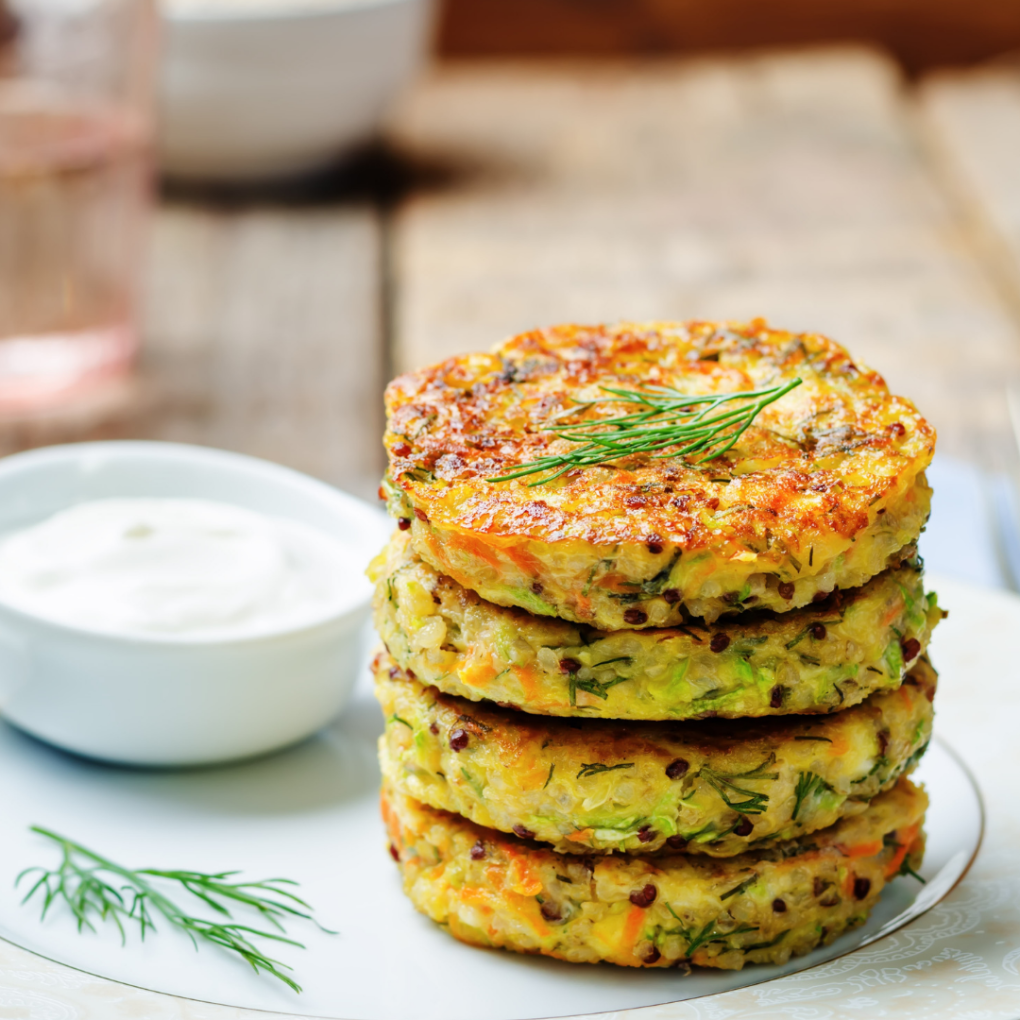
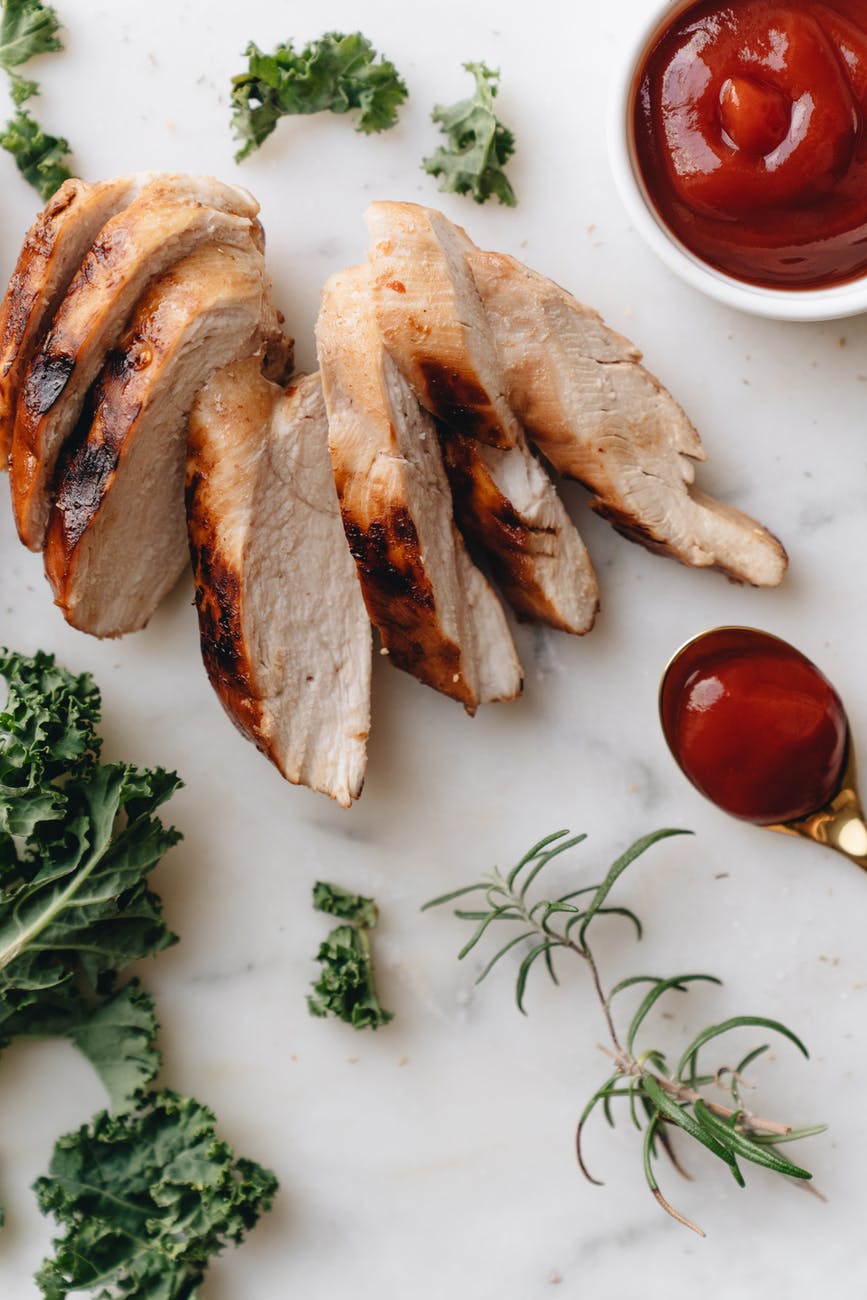
Vitamin B6 is found in all food groups. People who eat high-fiber cereals tend to have higher levels of the vitamin because cereals are often fortified with it. Vitamin B6 is also found in high quantities in potatoes, non-citrus fruits (e.g., bananas), and various animal-based foods such as poultry, fish, and organ meats.
Chicken and Potatoes are good sources of Vitamin B6
Vitamin B12
Like Vitamin B6, Vitamin B12 is also very important for your blood and brain. It is needed for the creation of healthy red blood cells and the formation of the outer coating of nerve cells (myelin) which is very important for their optimal functioning.
Vitamin B12 can be a bit difficult to absorb from your food. To improve absorption, it’s important to have adequate acid and digestive enzymes in the stomach. This is because the vitamin is very strongly bound to the proteins in food, and stomach acid and enzymes help to break those bonds and free the vitamin so your body can take it in.
Having a Vitamin B12 deficiency can be caused by a type of anemia called “pernicious” anemia. Pernicious anemia is an autoimmune disease that affects the stomach and reduces its ability to absorb Vitamin B12. A deficiency in Vitamin B12 can then lead to a different type of anemia called “megaloblastic” anemia. Low levels of Vitamin B12 can also cause neurological damage (due to impaired myelination of nerve cells).
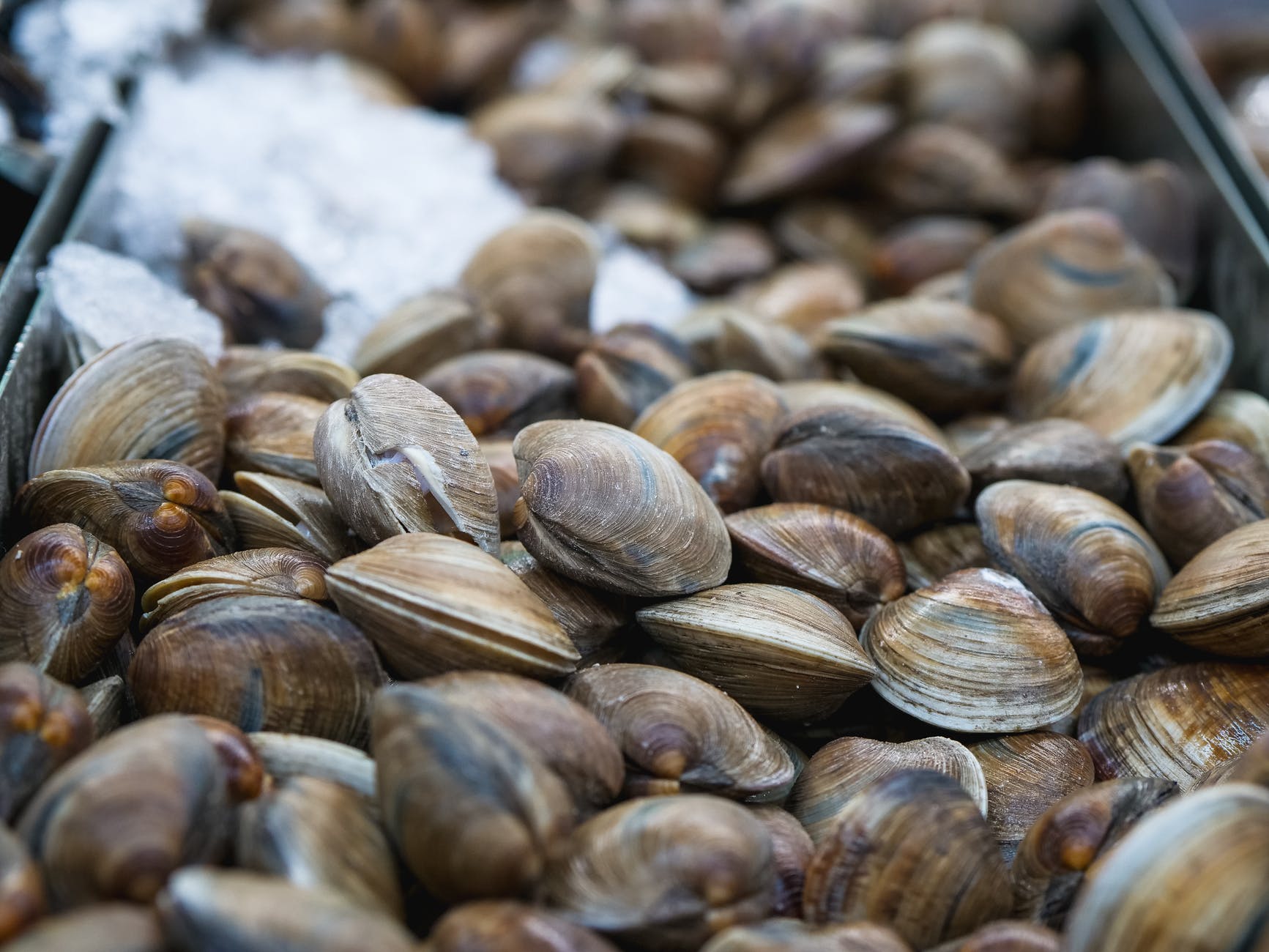
Vitamin B12 isn’t naturally present in most plant-based foods, except it is found in some nutritional yeast products. It is naturally found in dairy, eggs, fish, poultry and meat and is particularly high in clams, beef liver, trout, and salmon. Many breakfast cereals are fortified with Vitamin B12.
Clams are rich in Vitamin B12
If you are consuming Vitamin B12 supplements or eating foods that are fortified with Vitamin B12, your levels of stomach acid and digestive enzymes aren’t as critical as they are for the absorption of the vitamin directly from foods. This is because when adding Vitamin B12 to foods and supplements, it’s not tightly bound to their proteins and this makes it much more easily absorbed.
Vitamin C
Vitamin C is important for wound healing (by assisting in collagen formation), the production of neurotransmitters, metabolism, and the proper functioning of the immune system. Vitamin C deficiency can result in a disease called scurvy. Symptoms of scurvy include weak connective tissue such as bleeding, wounds that won’t heal, and even the loss of teeth.
Vitamin C also acts as an antioxidant to reduce the damage caused by free radicals that can worsen several diseases such as certain cancers and heart disease. Vitamin C also helps your body absorb the essential mineral iron, which is one of the top five nutrient deficiencies also included in this article.
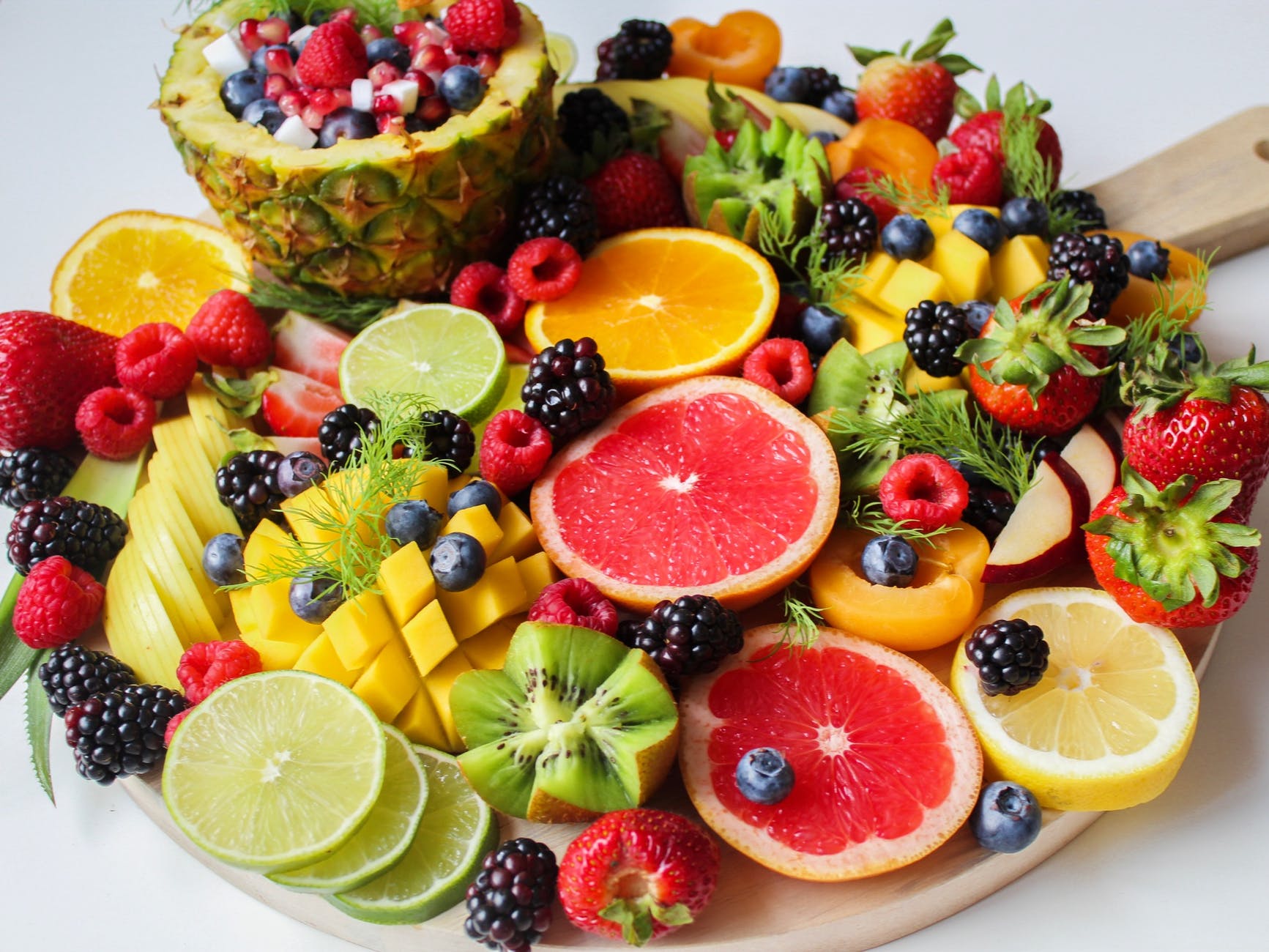
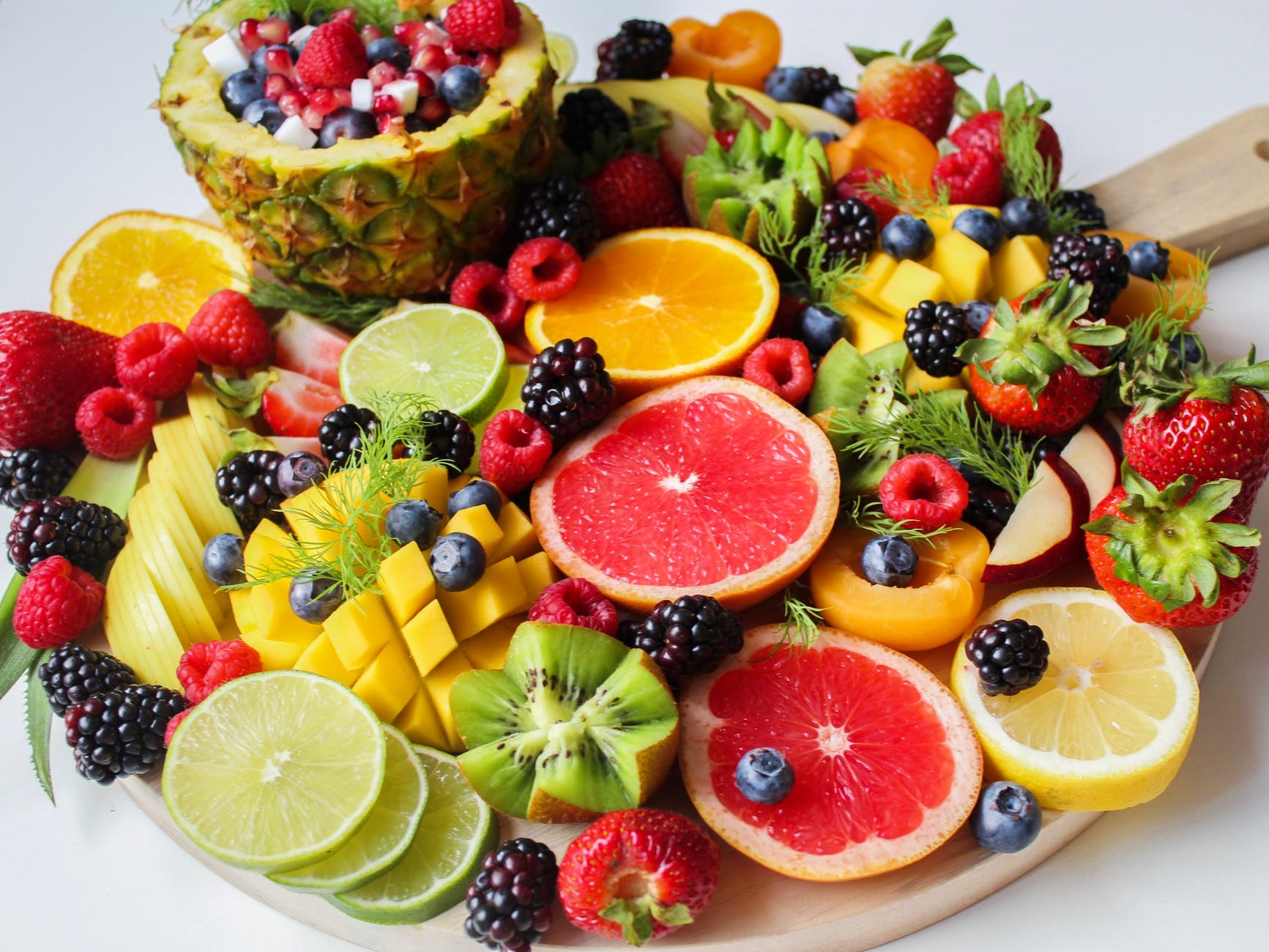
You can get Vitamin C from many fruits and vegetables. Ones particularly high in Vitamin C include bell peppers, oranges, and orange juice. Other good sources of the vitamin include kiwifruit, broccoli, strawberries, Brussels sprouts, tomato juice, cantaloupe, cabbage, and cauliflower. Vitamin C is not naturally present in grains, but some breakfast cereals are fortified with it.
When choosing foods for Vitamin C, choose the freshest options because levels of the vitamin naturally reduce over time the longer the food is stored. Try, as much as possible, to eat Vitamin C-rich foods raw. If you do cook them, then choose steaming and microwaving instead of prolonged boiling because the vitamin is destroyed by heat and is water-soluble.
Fruit is rich in Vitamin C
Vitamin D
Vitamin D, also known as the “sunshine vitamin,” is very important for your bones. It promotes the absorption of the mineral calcium. When your body has enough calcium, it can maintain normal bone mineralization and prevent problems in the muscles that lead to cramps and spasms. Getting enough Vitamin D and calcium can also help protect against osteoporosis. In addition to all of these bone and muscle impacts, Vitamin D helps to reduce inflammation and modulate both immune function and sugar metabolism.
Without enough Vitamin D bones can become thin, brittle, or misshapen. Vitamin D prevents these issues known as rickets (in children) and osteomalacia (in adults).
Your skin makes Vitamin D when it’s exposed to the ultraviolet rays of the sun and very few foods naturally contain it. The few Vitamin D-rich foods include fatty fish and fish liver oils (e.g., salmon, trout, cod liver oil). Other foods that naturally contain small amounts of Vitamin D include egg yolks, beef liver, and cheddar cheese. Some mushrooms can contain Vitamin D—particularly those exposed to UV light.
Salmon is a good source of Vitamin D
Most of the dietary Vitamin D that people in the US get is from fortified foods and beverages. These include some dairy products (mainly milk), certain plant milks (e.g., soy, almond, or oat milks), various breakfast cereals, and a few types of orange juice. Be sure to look at the nutrition labels to see if and how much Vitamin D is in each serving of the food or beverage.
Iron
Iron is a mineral essential for healthy blood so that it can transport vital oxygen throughout your body every second of every day. This happens via a compound in your red blood cells called “hemoglobin.” Iron also supports your muscles (like Vitamin D) and your connective tissue (like Vitamin C). Having adequate iron is necessary for physical growth, neurological development, hormone production, and the function of your cells.
A deficiency in iron is commonly known as “anemia.” Menstruating women tend to be lower in iron simply because of their regular loss of blood.
Most iron in the body is in the blood, but there is some stored in the liver, spleen, bone marrow, and muscles. This is why iron deficiency progresses slowly from depleting your stores (mild iron deficiency), to reducing the number of red blood cells (marginal iron deficiency), before you get to full-out iron deficiency anemia.
Iron is naturally found in many foods in one of two forms: heme and nonheme. Animal-based foods contain the more absorbable heme form. Plant-based foods naturally contain nonheme iron. This is where Vitamin C comes in. Vitamin C helps your body absorb the nonheme iron from plants, which is why, if plants are a main source of iron in your diet, it’s important to combine iron-rich plants with Vitamin C-rich plants in the same meal.
Some of the best sources of iron include fortified cereals, oysters, white beans, dark chocolate, beef liver, lentils, spinach, and tofu.
Combine Vitamin C rich peppers with beans and lentils to enhance iron absorption
Bottom line
Up to one-third of people in the US are at risk for at least one nutrient deficiency. Most commonly, that deficient nutrient is Vitamin B6, but there are also many people deficient in vitamins B12, C, and D, as well as the mineral iron. Vitamins and minerals are essential nutrients because everybody needs them on a regular basis for good health. Lacking in any one nutrient can have far-reaching consequences. Eating a nutrient-rich diet with a variety of foods can help everyone achieve their health and nutrition goals. If you are uncertain about the nutrient adequacy of your diet, taking a multivitamin is a good insurance policy. Optimal Multivitamin with Iron by Seeking Health is a well-rounded daily multivitamin and mineral supplement with high-potency gentle iron and active B vitamins. Quality matters when it comes to dietary supplement. Consider the bioavailability of the nutrients when comparing prices. Don’t waste your money buying supplements that your body can’t absorb and utilize. Be sure to choose a reputable brand with 3rd party testing to verify the content of the supplement. For trusted professional brands, check out my wellness store. I offer my readers 15% off all purchases.
To know if you’re at risk for a nutrient deficiency, consult a Registered Dietitian who can review your food intake and supplements.
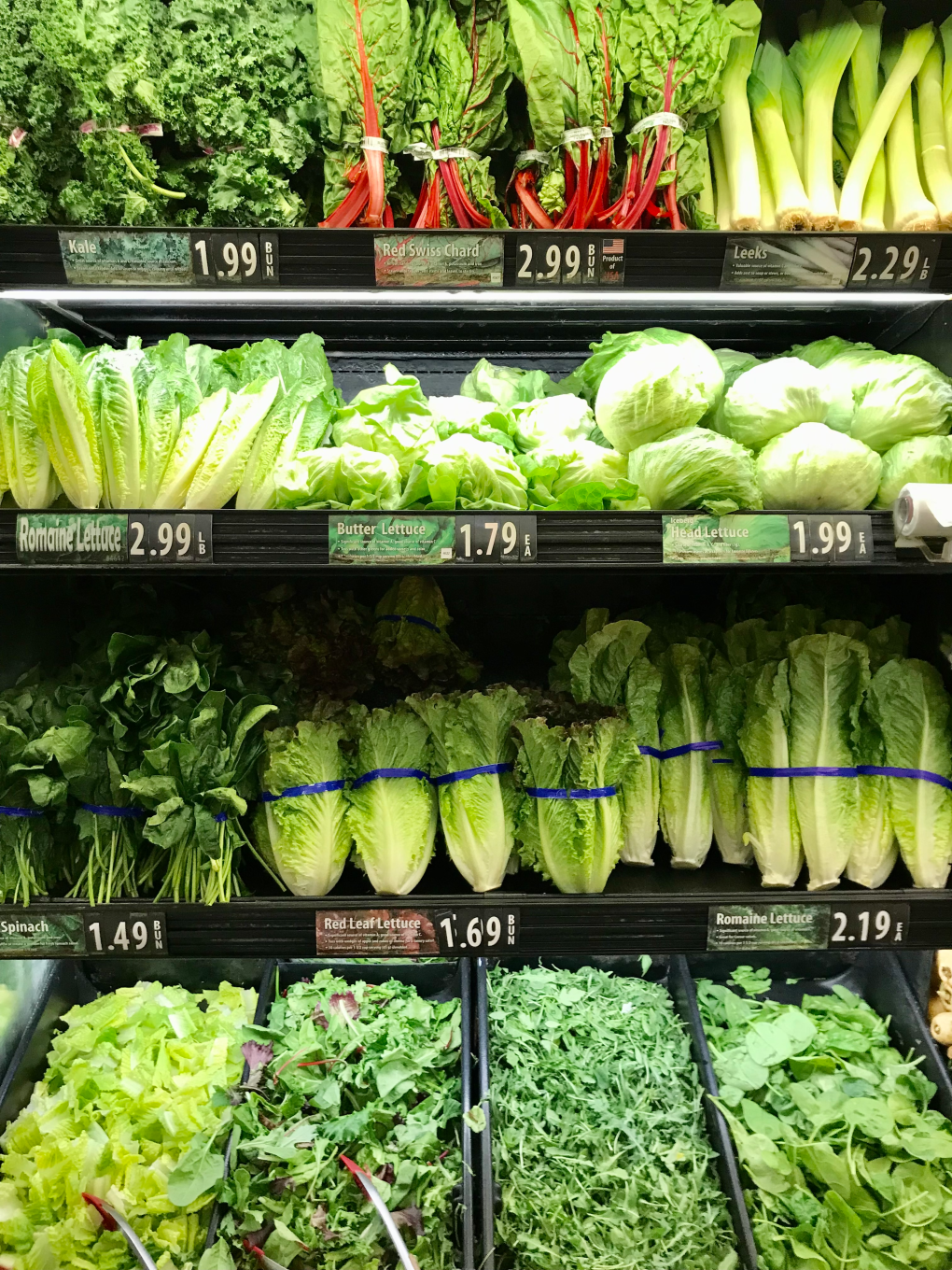
When it comes to leafy greens, most of us rely on the basics like romaine, leaf lettuce and spinach week after week – and while all of these provide health benefits, there is a huge selection of leafy greens in the produce aisle that you could potentially be missing! Shaking things up can help keep things fun and interesting in the kitchen while also diversifying your nutrient intake.
We’ve all heard that it’s important to eat those green vegetables and I have to say, that age-old recommendation has merit! Leafy green vegetables are a total nutrition powerhouse providing plant-based calcium, iron and magnesium, plus vitamins A, C and K (vitamin K is necessary for blood clotting and bone health).
If you don’t like the taste of one variety, chances are you can find an alternative. It might also be a matter of preparation method, so don’t hesitate to do some experimenting. Here are some of my favorites healthy greens along with simple ways you can try incorporating them into your regular rotation:
Arugula
Swapping arugula for romaine is a great way to spice up a salad (literally!). This leafy green has a peppery bite and delicate texture. It pairs perfectly with a light citrus vinaigrette and some shaved parmesan cheese (aka – the ultimate no hassle dinner side salad).
Arugula is a cruciferous vegetable, like its cousins broccoli and cauliflower, and therefore has added disease-preventative effects. Try tossing some arugula in a balsamic vinaigrette and sprinkle on top of baked flatbread and pizza – great way to amp up the nutritional value and add a refreshing flavor!
Arugula
Lacinato Kale
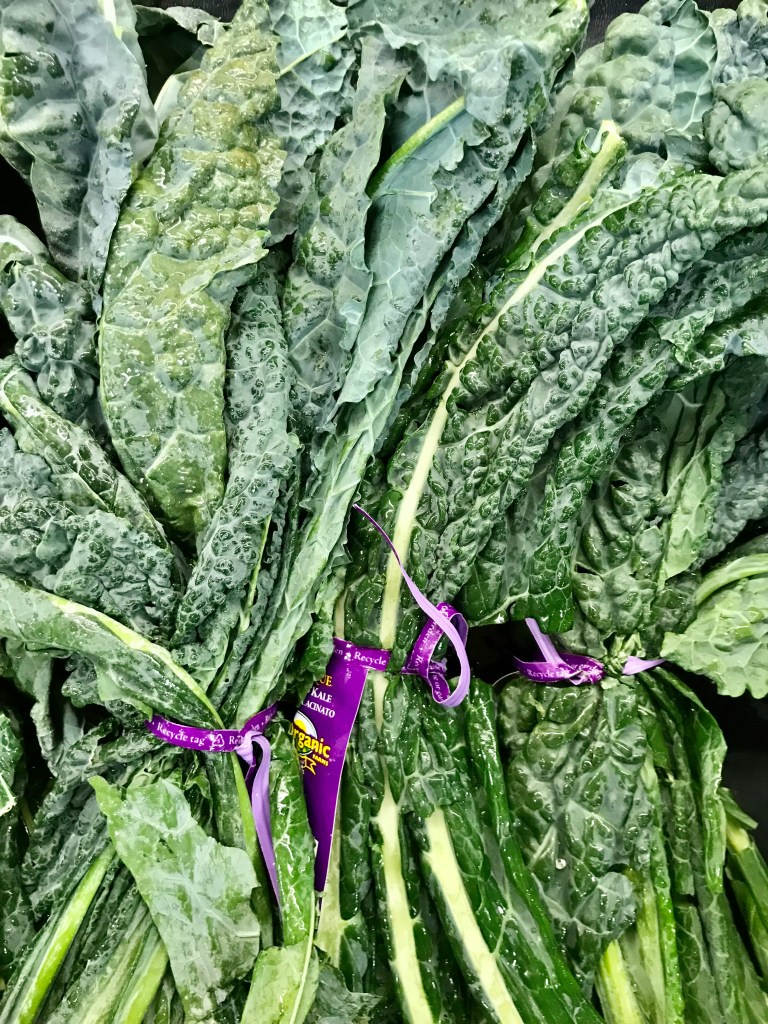
You might already be familiar with traditional “curly” kale that has become a grocery store staple in recent years. Lacinato or “dino” kale is the one that has a long flat leaves with a bumpy texture and newer to the scene. Add it to your favorite soup or stew near the end of cooking time for a pop of bright green color and an extra element of texture.
Cooking kale mellows its bitter flavor, so a quick sauté in some olive oil with a bit of lemon juice is a delicious way to enjoy this nutrient powerhouse. If you don’t want to turn on the stove, try massaging the chopped kale with a little salt and olive oil to soften the leaves for a more digestible salad.
Lacinato Kale
Chard
This leafy green comes in many varietals. The stem color ranges from white to purple and bestows its varietal name, such as red chard. Swiss chard is most commonly known and typically has a gorgeous bright pink or yellow stem.
Due to the large size of the leaves, chard makes a nice swap for tortillas (a great low-carbohydrate option!). Use the leaves to wrap hummus and vegetables or stuff with your favorite filling. You can also sauté the delicate leaves, as they cook up quickly. The stems are full of nutrition so chop them and sauté first with some onion and garlic for an amazing side dish. For an easy plant-focused meal, simply add in some chickpeas.
Red Chard
Watercress
Watercress is a cruciferous vegetable with long stems and small, circular leaves. It makes a great sandwich topper in place of traditional leaf lettuce for a fun presentation.
The bright, peppery taste does well with just a bit of vinegar and olive oil. You can also drop into soups just before serving for a burst of flavor. One of my favorite salads includes watercress, cucumbers, and radishes – fresh and delicious!
Watercress
Bok Choy
Bok Choy is a type of Chinese cabbage with a bright white stem surrounded by dark green leaves. Baby Bok Choy has a green stem and tends to be a little more tender.
It’s most commonly used in Asian cuisines including stir-fries and soups like ramen, but feel free to add it to salads and slaws. You can also cook Bok Choy on a sheet pan very easily – simply place quartered bok choy on parchment-lined sheet pan and toss with freshly grated ginger and sesame oil. Roast at 350° F until softened and serve with fresh lime wedges. Baby Boy Choy is also delicious grilled – place the quartered Baby Bok Choy on an oiled grill and brush with your favorite Asian-inspired marinate and cook for approximately 4 minutes or until tender.
Baby Bok Choy
Take Action
Leafy greens are available year-round in the supermarket. Make it a habit to add greens to your grocery basket very time you shop. Produce should be eaten as fresh as possible for maximum quality and nutritional value – greens are no exception. With such vast varieties, it’s time to try a couple new ones!
There’s no question that “You are what you eat”! What we eat and drink affects all of our vital organs—including our skin. Whether you want to prevent or correct skin issues, there are specific foods that are good for your skin!
Your skin is your largest organ and it plays a vital role in your overall health and wellness. It protects what’s inside you by keeping water and nutrients in, while keeping harmful bacteria and viruses out. Your skin helps you maintain your body temperature and makes vitamin D when exposed to the sun. It’s also full of nerve endings to help you sense the outside world and avoid damage from things that are too hot, cold, or sharp.
Skin care isn’t only something we need to do on the outside. Your skin is created and nourished from the inside out. The nutrients you consume on a day-to-day basis affect the way your skin feels and looks. Here is a list of some of the essential nutrients you need to keep your skin in top shape so it can play its many fundamental roles and look its very best.
Foods for your skin
Your skin is a complex organ and needs a variety of different nutrients every day to stay healthy. Here are some of my top recommendations.
Water
You may not always think about water as an essential nutrient, but it is. Water plays many important roles in your body. It’s the main component in your cells and fluids. It allows you to maintain your body temperature and it provides shock absorption for your joints. It’s no wonder that adults are 60% water.
When it comes to our skin, water is just as essential. Your skin has three layers. The outermost layer—the one you see and feel—is called the epidermis. The middle layer is the dermis and underneath that is your hypodermis. When your epidermis doesn’t have enough water, your skin feels rough and loses elasticity. The water your epidermis needs comes from the inside. One clinical study found that when participants who didn’t drink a lot of water increased their intake, their skin became more hydrated and their skin’s “extensibility” improved within 2 weeks. Drinking more water can help skin hydration and may be particularly beneficial if you have dry skin or don’t drink enough water.
How much water do you need every day? According to the Mayo Clinic, women should aim for 2.7 L (11.5 cups) of fluids per day, while men should aim for 3.7 L (15.5 cups) per day. Note that these fluids can come from drinking water or other beverages, and can even come from water-rich foods like soups, fruits, and vegetables. Your personal water needs may be higher if you sweat a lot (from physical activity or living in a hot, humid environment), if you are pregnant or breastfeeding, or if you are prone to urinary or digestive tract conditions (kidney stones, vomiting, diarrhea).
Protein
Protein is an essential macronutrient which means you need quite a bit of it every day (more than with micronutrients like vitamins where you need much smaller amounts every day). Protein makes up parts of your cells, immune system antibodies, and the enzymes needed for thousands of reactions (including digestion). Your body’s main structure is also made from proteins. This includes your bones, muscles, organs . . . and skin. Different proteins are made by combining different building blocks called amino acids.
Your skin is made up of several different proteins. For example, collagen and elastin are very plentiful and build up the structure of your skin. Over time, and with exposure to the elements, your body’s ability to produce collagen decreases. Keratin is another important protein in your skin. Keratin makes up the outer epidermis layer giving it rigidity and enhancing its barrier protection.
Food That Is Good For Your Skin
The recommended daily amount of protein is based on your body weight. For every 20 lbs you weigh you should try to get just over 7 grams of protein each day. This means a person who weighs 140 lbs needs about 50 g protein/day, while someone who weighs 200 lbs would need about 70 g protein/day. Protein is found in meat, poultry, fish, dairy, and eggs. Plant-based sources of protein include soy, lentils, beans, nuts, seeds, whole grains, and even vegetables like corn, broccoli, and asparagus.
Essential fatty acids
There are two types of fatty acids that are essential nutrients for our health and our skin. They are linoleic acid (omega-6) and linolenic acid (omega-3). Omega-3 fatty acids in particular are antiinflammatory and have been linked to many health benefits including improvements in rheumatoid arthritis, ulcerative colitis, diabetes, heart disease, and psoriasis, to name a few.
A higher intake of linoleic acid is associated with lower levels of skin dryness and thinning as skin ages. On the other hand, a lack of fatty acids is linked to increased water loss from the skin, drying it out and causing weakness in the protective outer barrier.
You can get these essential fatty acids from eating fish (salmon, tuna), shellfish, nuts (walnuts), seeds (flax, chia, pumpkin, sunflower, sesame), oils (soy, canola), leafy vegetables, and avocados.
Food That Is Good For Your Skin
Essential fatty acids are also available in fish oil supplements which may contain additional vitamins and minerals. When buying nutritional supplements, especially fish oil (beware of potential mercury contamination) it is critical to choose reputable brands and the proper dosages. Check out my Wellness Store if you wish to purchase professional brands, only available through health professionals. I offer my readers 15% off their orders to make high quality supplements more affordable.
Vitamin C
Vitamin C is an essential nutrient and has several functions including making other nutrients more absorbable and available. It is a water-soluble antioxidant vitamin that plays many roles in your body, including in skin health.
A deficiency of Vitamin C (scurvy) results in skin lesions, as well as skin that is easily bruised and slow to heal. This is, in part, because of Vitamin C’s role in stabilizing the protein collagen. Another sign of Vitamin C deficiency in the skin affects hair follicles and can cause “corkscrew hairs.” These are examples of why Vitamin C is so important for skin health.
Food That Is Good For Your Skin
Every day you should aim for at least 75 mg of Vitamin C. Fruits and vegetables are rich sources In particular, bell peppers, citrus fruits (oranges, grapefruits), broccoli, cauliflower, strawberries, kiwis, blackcurrants, potatoes, rose hip, and parsley.
Vitamin E
Vitamin E is a group of essential vitamins called tocopherols. They are fat-soluble antioxidants that work synergistically with Vitamin C. When given together, vitamins C and E (and zinc) can speed up wound healing. Deficiency of Vitamin E is linked to red, dry skin.
Vitamin E is often applied directly (topically) on the skin to reduce redness and some of the effects of sun damage. Ingesting Vitamin E helps the skin from the inside by protecting collagen and fats from breaking down. One clinical study successfully improved symptoms of dermatitis (skin inflammation) in participants who took Vitamin E supplements over the course of several months.
Food That Is Good For Your Skin
The recommended daily allowance for Vitamin E (alpha-tocopherol) is 15 mg. You can get Vitamin E in vegetables, oils (wheat germ oil, olive oil, vegetable oil, sunflower oil), nuts (almonds, hazelnuts), spinach, broccoli, corn, kiwis, and soy.
Skin care beyond nutrition
While nutrition is essential, and I’ve covered my top 5 recommendations above, don’t forget other important skin care practices that help protect and nurture your skin. Refer to my earlier blog post to learn how a daily routine with the correct products can give you beautiful skin.
Use gentle cleansers and warm (not too hot) water to keep skin clean
Moisturize after taking a shower or washing your hands
Avoid things that bother your skin such as harsh cleansers, fragrances, and irritating fabrics
If you have allergies or intolerances (e.g., to gluten or pollen), avoid those
Limit your sun exposure and use sunscreen as appropriate
Be physically active
Try to get enough quality sleep
Use a humidifier and wear gloves when the weather is dry and cold
Avoid tobacco
Bottom Line
The nutrients you consume feed your whole body—including your skin. As your largest organ with many critical roles, your skin needs a variety of different nutrients every single day. Water, protein and essential fatty acids are important macronutrients. While the antioxidant vitamins C and E are among some of the micronutrients your skin needs to heal and stay healthy.
In addition to nutrition, caring for the outside of your skin is also important. Using gentle cleansers, warm water, and moisturizers, and avoiding irritants and allergens will help. If you have any medical concerns with your skin, see your healthcare professional.
Food allergies and sensitivities are soaring to an epidemic proportion! Over 32 million Americans have a serious and potentially life-threatening food allergy. That number explodes to nearly 85 million people impacted when you include those with food sensitivities and intolerances.
May is Allergy Awareness Month and there is no better time to learn more about food allergies to help yourself and those you love.
My 2 children both have serious allergies to egg and peanuts since day one. It required lifelong learning for our family to manage their diet. I accepted the challenge of reading every food label in the grocery store, making all our meals from scratch, and baking every birthday cake . As a result, our kids grew up on minimal amount of processed food and mostly healthy home-made meals. There is a silver lining if you can look beyond the often cloudy picture of an allergen-free diet.
Food Allergies vs Food Sensitivities
Food allergies and sensitivities have a range of severity and mechanism. Food allergy is an immunologic response that shows immediate symptoms within minutes to several hours after consuming the allergen. In many cases, it can be life-threatening and requires immediate medical attention. On the other hand, food sensitivity is a non-immunologic response to food and the symptoms may appear over a period of days. The range of manifestations may include stomach pain, bloating, diarrhea, constipation, brain fog, headache, skin rash, muscle/join pain, fatigue and insomnia. For those of us who are affected, it can be very frustrating to pinpoint the foods that are causing the problem. Be sure to consult a qualified health practitioner to help you with diagnosis and treatment.
How to manage your diet
Whether you have food allergies, sensitivities or intolerances, it is necessary to avoid the problem foods to feel well. The first step is to determine what food ingredients you need to eliminate from your diet. This may be done by food allergy (IgE) or food sensitivity (IgG) testing by your doctor or the use of an elimination diet with the help of a Registered Dietitian. The next step is to learn to recognize what food is safe to eat by deciphering food labels and sourcing trusted food companies that make allergy-friendly food.
These eight foods account for 90 percent of all food allergy reactions:
Peanuts Tree nuts (cashews, pecans, walnuts, etc.) Milk Egg Wheat Soy Fish (halibut, salmon, etc.) Shellfish (crab, lobster, shrimp, crayfish). Not including mollusks (oysters, clams, mussels, scallops, squid)
Avoiding these food allergens is not easy because they are often found in prepared dishes or hidden in processed and packaged foods in different forms. It is key to learn all you can about your problem food including its various names and derivatives, so you can detect them. Some examples of the not-so-common names are sodium caseinate (milk), semolina (wheat), albumin (egg), and lecithin (soy). You can learn more about these common allergens and how to avoid them at www. foodallergyawareness.org.
Sharpen your food shopping skills
According to FDA food labeling law, manufacturers must list all food ingredients in descending order of concentration. In addition, The Food Allergen Labeling and Consumer Protection Act of 2004 (FALCPA) requires these 8 most common allergens be declared on the food label. Under the Food Allergy Safety, Treatment, Education, and Research (FASTER) Act of 2021, sesame is being added as the 9th major food allergen effective January 1, 2023.
Although these labeling regulations are extremely helpful to consumers, they only cover a fraction of the 160+ foods identified to cause food allergies in sensitive individuals.
Best practices for buying allergen-free foods
Avoid highly processed foods. Less is more here – fewer the ingredients the better!
Never buy packaged food without an ingredient list.
Don’t buy any food with ingredients unknown to you.
Read food labels carefully, including foods you have purchased before. Food manufacturers may change their ingredients without warning.
Beware of general and non-specific ingredient terms, such as natural flavoring which may contain allergens unless you know the ingredient used in the flavoring.
Don’t just go with claims on the label. Phrases such as “peanut-free” and “egg-free” are not regulated by law. Be sure the allergen is not on the ingredient list.
Beware of cross-contamination. Allergen-free products could still be made in facilities where the allergens are present. Always check with the manufacturer if you are unsure.
Be careful with imported foods. They may not comply with domestic food labeling laws.
Happy Earth Day! What lifestyle changes are you making to help save our planet? You might be walking instead of driving to run errands or refashioning and recycling your house decors rather than trashing them. There is no change that is too small to make a difference in our environment!
The earth friendly changes I made consciously this past year include eating more plant-based food and reducing plastic bottles beyond disposable water bottles – think food containers and body care packaging. Eating more plant-based is not only better for the earth but it’s better for the body. Shifting to a plant-based diet contributes greatly to the reduction of greenhouse-gas emission. According to an Oxford University study, people who eat more than 0.1 kg (3.5 oz) of meat per day—about the size of a hamburger patty—generate 7.2 kg of carbon dioxide equivalent (CO2e) each day, while vegetarians and vegans generate 3.8 kg and 2.9 kg of CO2e, respectively. That means you can reduce your carbon foot print by more than 50% by eating a meatless meal. Just like any lifestyle change, it’s not easy to switch to a meatless diet overnight. You don’t have to go vegan if that’s not your thing. It doesn’t have to be all or nothing. Think of it as a sliding scale – the more plants you eat instead of meat the less CO2e is produced – and make that shift gradually!
As I push forward with my quest for a more plant-based diet, I want to share with you some of my flavorful and interesting ways to incorporate more grains, legumes, fruits and vegetables into everyday meals. If you want a step-by-step guide to show you how to transition to a plant-based diet, you can get click the link to get my free e-book.
Have some fun making the shift to a plant-based diet
1. Explore some new plant-based foods
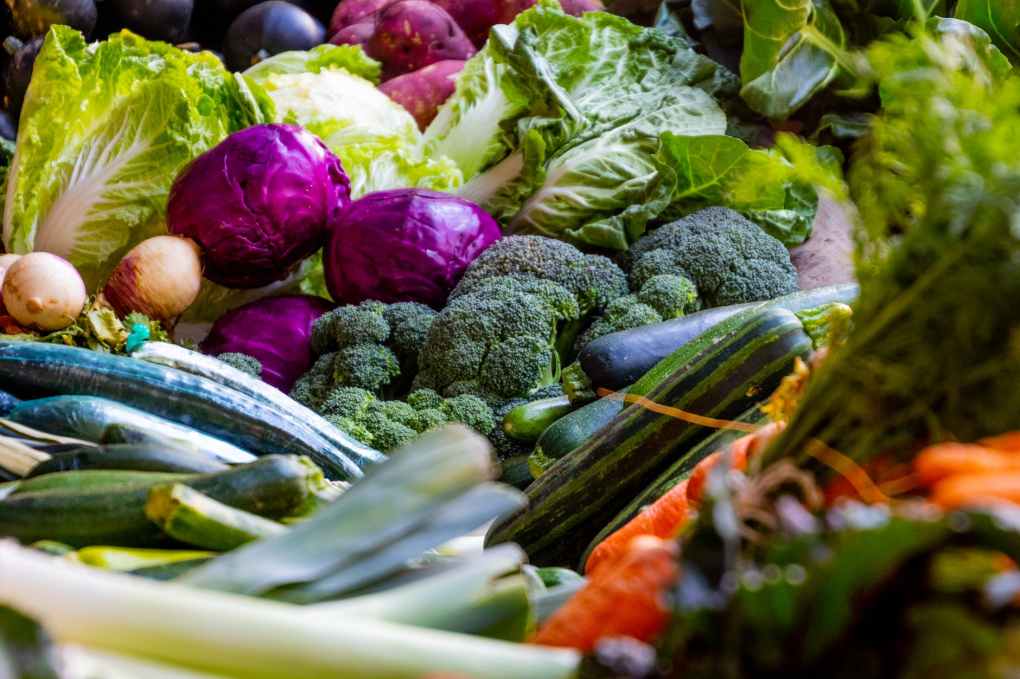
Try a new vegetable weekly. Don’t be intimidated just because you haven’t tasted or cooked it before. Check out your weekly farmer’s market for inspiration.
Buy fresh and seasonal to add interest and variety to your meals. Avoid processed plant-based food.
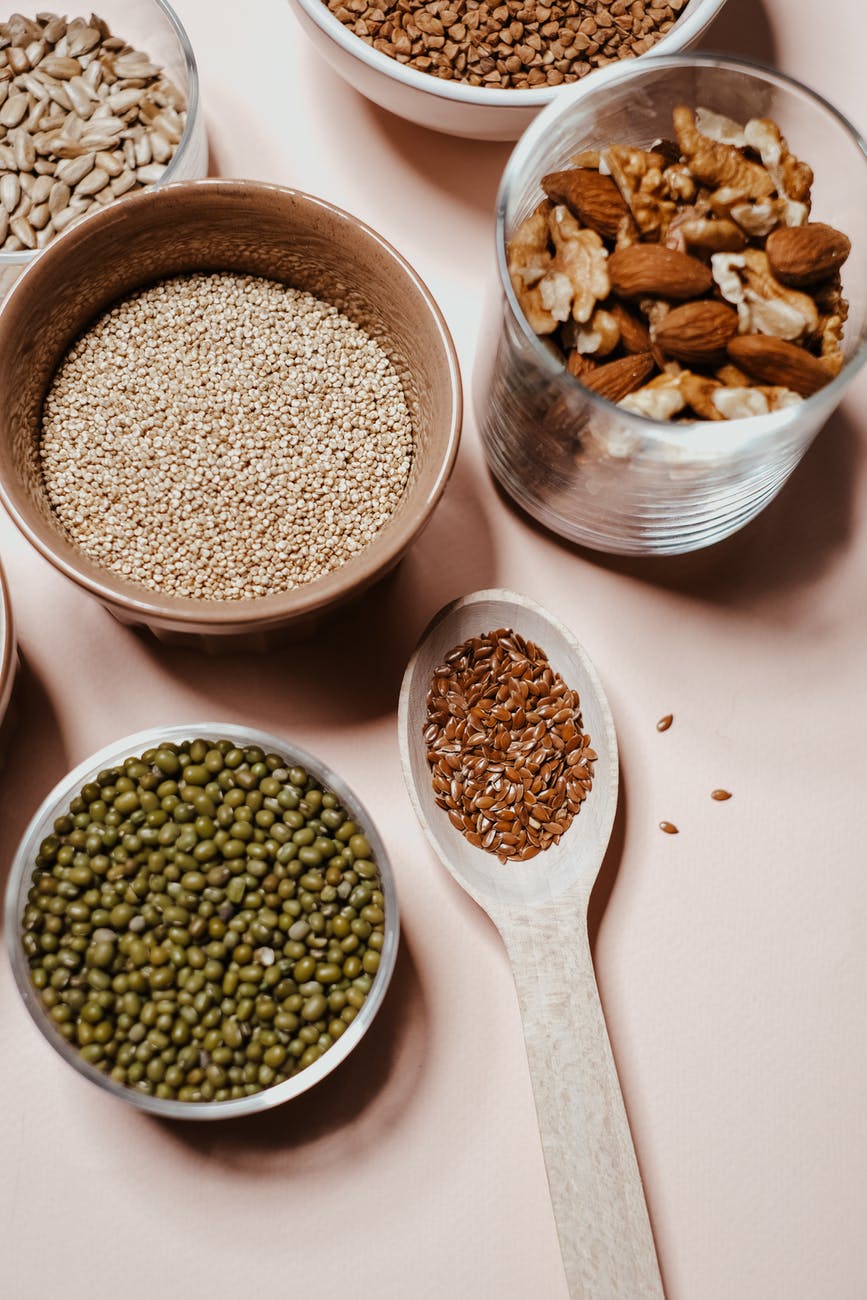
Experiment with high protein grains such as kamut, quinoa, spelt, teff, millet, and wild rice. They are easier to cook than you think. If you know how to cook rice, you can cook other grains.
Use chopped fresh herbs, such as parsley, cilantro, and dill to flavor your grains
Add nuts and seeds to vegetables and grains for texture and taste.
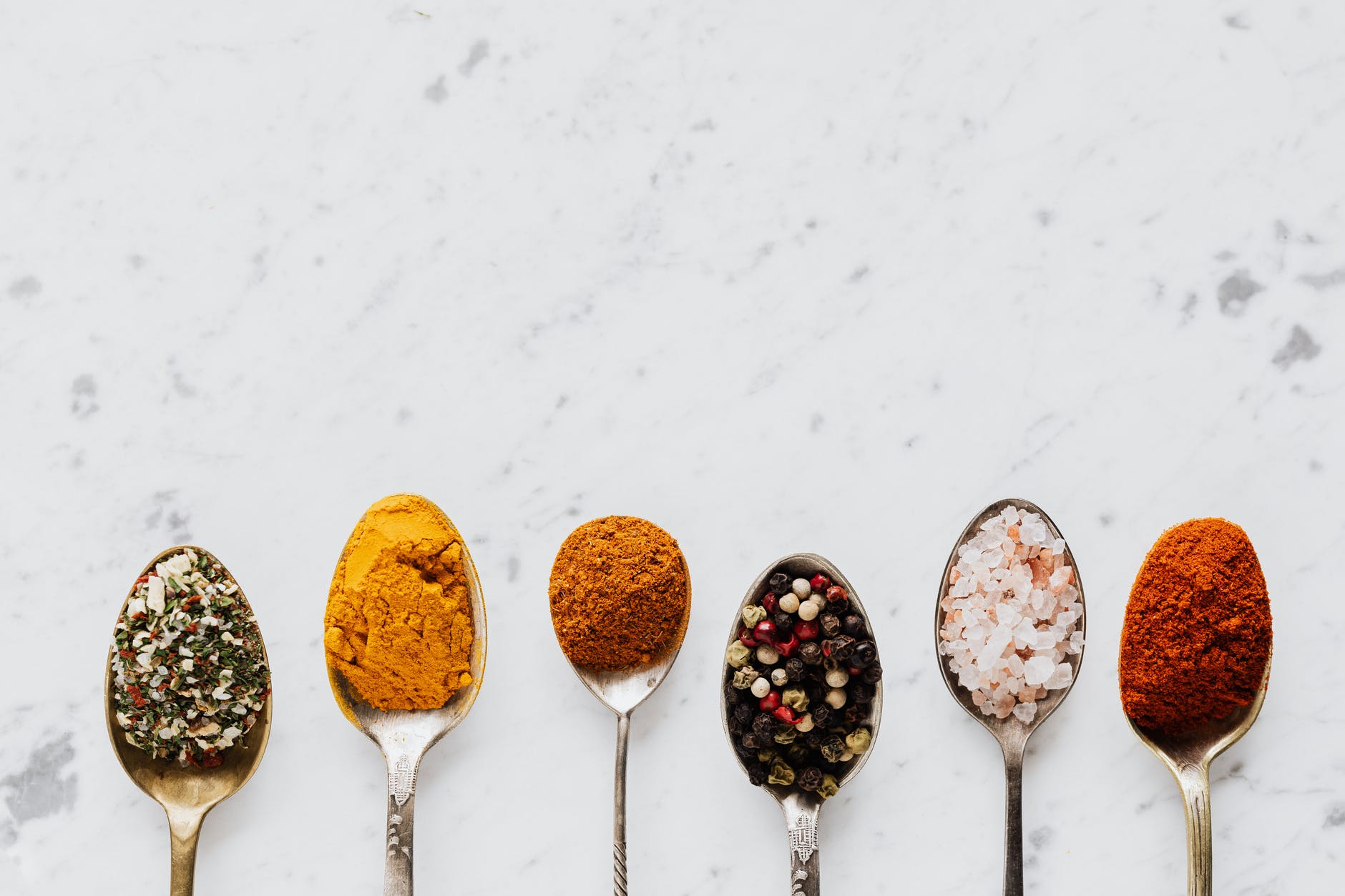
Try spices from around the globe. You can learn a lot about cooking with spices from visiting a spice shop. If you don’t have one near you, try Oaktown Spice Shop (one of my fave) and they will ship your order to your door.
Sauce it up with tahini, hummus, sriracha, pesto, etc to heighten the flavor.
Checkout Instagram and YouTube for cooking demos to learn various cooking techniques.
Invest in a couple good cookbooks. One of my favorite cookbook by a fellow dietitian is Vegetable Cookbook for Vegetarians. It’s a perfect book for newcomers to the adventure land of vegetables. There are 200 recipes from artichokes to zucchini so you can be sure to find something new to try!
For plant-forward global recipes, I recommend Spicebox Kitchen, a new cookbook released in March, 2021 that throws a healthy twist to traditional recipes, such as whole wheat onion pancakes.
My Cooking Demo – an easy delicious plant-based meal
I took my first virtual cooking class last Saturday night! It introduced me to the flavors of Ethiopia, a cuisine I don’t know much about but eager to discover. I learned a few lessons, beyond the cooking lesson that will help you have a better experience at your first or next virtual cooking class.
This cooking class, Cooking with Mekdes: An Ethiopian Experience, was a fundraiser to support Rare Trait Hope, a non-profit organization with a mission to develop a cure for Aspartylglucosaminuria (AGU), a fatal genetic neuro-degenerative disease. A friend in Canada adopted a little girl, Makeda from Ethiopia who was diagnosed with this rare disease at a very young age. Her mother hopes for a cure in Makeda’s lifetime! If you want to support this worthwhile cause , the recording of Cooking with Mekdes is still available.
Virtual cooking classes offer you the opportunity to learn new knowledge of various ethnic cuisines and develop new cooking techniques. When traveling is limited by the Pandemic, this is a fun and entertaining way to escape to all corners of the globe and taste local food without leaving your home.
Ethiopian dishes I made when Cooking with Mekdes
Ginger with Garlic Paste
Asa Tibs Wet
Green Lentil Salad
Gomen Wet
Steps to consider for a Zoom cooking class
Register for the class well in advance! Some cook-along classes limit the number of participants so the chef can interact with the participants online and provide some handholding throughout the class. Some classes are more instructor-centric and done in a demo style so there’s no cap for the number of attendees. You can still submit questions in the chat box but the instructor may not get to your questions. The class I attended was a hybrid where you can choose to cook-along live or just watch and cook later at your own speed.
Check if the class is recorded, just in case you can’t attend at the scheduled time. Most class organizer will email the recording to you if it’s available. Cooking along side a class recording may not have the same energy as cooking with a live class. But the upside with a recording is that you can pause, chop, eat and sip at your own pace. Cooking with a live class can be very fast-paced and even frantic at times, especially if you are not well prepared.
Get menu, recipes and grocery shopping list before your class. Be sure to allow adequate time to locate specialty ingredients if necessary. I registered for my class early which allow enough time for my friend to mail me the Ethiopian spices (ground rosemary, berbere, and koreima). Some online cooking classes may include pantry ingredients delivered to your door but be prepared to pay a higher price for that kind of service. Review the steps of the recipes to make sure you have cooking tools in you kitchen. This is especially true if you are cooking global cuisine where you may need tools like a paella pan, a clay pot or a steam basket.
Get a link for the zoom meeting. It should be sent to you at least a day or so before the class. Be sure you have great working wifi to avoid interruptions during your class. Log in at least 10 minutes before the scheduled class time to test the link and wifi to avoid any snafu. Set up your device in a place where you can see what the chef is doing as you cook. Test the volume to ensure you can hear well over cooking noises. Consider lighting and reflection on the screen of your device for image clarity. The set-up can be tricky depending on your kitchen space and configuration. I used a laptop so I was able to move it to various parts of the kitchen. Don’t forget to cover your keyboard to protect it from food and liquid spills.
Set up all the ingredients and tools needed for the recipes within your reach before the start of the class. You don’t want to be digging in the bottom cupboard for your lemon squeezer while the instructor is already onto the next step of the recipe . It’s ideal to pre-squeeze your lemons, prewash and slice or dice any meat and vegetables, and even precook some ingredients. I made the mistake of not reading through the recipe instruction for the lentil salad, calling for cooked lentils. Luckily, my cooking partner caught that step early in the class so I was able to cook the lentils in time for the salad. Having a friend as a sous chef was invaluable and loads of fun – highly recommend it!
Now that you are all set for your virtual cooking class, make yourself a cocktail or pour yourself a glass of wine. Relax and enjoy your culinary experience!
With most of the world still on lockdown, celebrating your love with your Valentine this year may be safest at home with a DIY treat. A quiet dine-in romantic dinner would normally do the trick if it wasn’t for the cooking-at-home burnout that most of us are likely experiencing by now. Do you need a DYI Valentine’s gift that doesn’t require going out but over-the-top luxurious? If yes, read on!
Some may believe that the way to a man’s heart is through his stomach but I think it is much more romantic through his face. What is more pleasurable and perfect than pampering your loved one with a facial during this stressful pandemic era? Actually, nothing! You get to soothe and beautify his skin with your loving touch and give him your full attention as you rejuvenate his face and turn back the hands of time. It’s almost like a gift to yourself. After all, you will be spending your Valentine’s Day with a happier and handsomer companion afterwards. If you haven’t given anyone a facial before, it may sound just a little intimating but it’s really much easier than doing a facial on yourself.
What is a Gua Sha Facial?
A Gua Sha facial is the newest trend in the spa industry. I was introduced to it at a spa industry virtual event, Live Love Spa, last week. I was intrigued by result of the DYI treatment and loved how relaxing it was as I glided the tool over my face. Gua Sha is a Chinese facial massage (also know as Eastern face lift) performed with a tool made of jade or quartz. It stimulates blood circulation and activate lymphatic drainage which minimizes the appearance of winkles and puffiness resulting in a more youthful look to the skin. I suggest buying a Gua Sha tool made of rose quartz, the stone of unconditional love. It encourages trust and harmony in relationships. What more do you want from a Valentine’s gift!
How do you use a Gua Sha tool?
Like any “how to” question, there’s not a shortage of Youtube videos to show you how. Though I am not an esthetician, I combined my 20+ years spa management experience with the professional demo I saw last week to dig up a trusted video (bottom of the page) on Gua Sha facial to guide you step-by-step.
You should start at the neck and work your way up to the forehead. This way, you’re creating a clear path for the fluids in your face to drain. Follow these simple steps or watch the video below should equip you to create a fabulous Gua Sha facial experience.
Prep the skin with a facial mist to hydrate .
Apply a few drops of facial serum or oil to the face for glide. The starter kit at www.ShopLiveLoveSpa.com includes the rose quartz Gua Sha tool, a serum and a technique card.
Start at the neck and work your way up to the forehead
Use upward and outward strokes on the neck, jawline, chin and mouth area
Sweep across the cheeks, press gently under the eyes and across the eyebrows
End with upward strokes on the forehead to the hairline

















 Healthydigz