How to Detox Naturally

Detoxification is an essential function in the body. Believe it or not, your body can detox naturally if you eat a nutritious diet! You wouldn’t know it with so many variations of commercial detoxes and cleanses and each one is advertised with many health claims and compelling testimonials. The question is: Do they really improve skin and digestion, boost the immune system, increase energy, reduce inflammation, or cure diseases? A lot of the time—even when they don’t explicitly say so—they’re code words for a calorie restricted weight loss diet. 

But, what effect can they really have on your health? How can you use nutrition to support your body’s detoxification naturally without spending money on expensive detox `supplements.

What is detoxification?

Detoxification is your body’s own process for breaking down and eliminating toxins. We are all exposed to toxins every day through food, water, and the air we breathe. Toxins include those naturally found in tiny quantities in foods (e.g., methanol naturally occurs in small amounts in some fruits and vegetables—which are very healthy). There are also synthetic toxins found in medicines, pesticides, and preservatives (e.g., sulfur dioxide is used to preserve some fruits and vegetables). 

In fact, the body makes its own toxins through normal everyday processes like digestion, metabolism, and physical activity (e.g., urea which is excreted in the urine). 

The good news is that your body does a great job breaking down toxins and eliminating them.

Because the world is full of toxins that can affect us, we’ve evolved some pretty sophisticated detoxification systems. Detoxification systems are mainly in the liver, but are also located in the kidneys, gut, etc. They help to make toxins less dangerous and allow them to be excreted mostly through urine and stool and also through breathing and sweating.

What does this have to do with nutrition?

These detoxification systems are made from many biochemicals in our bodies, such as enzymes. Part of what makes enzymes work are key essential nutrients like vitamins and minerals. So, getting quality nutrition helps your body maintain all aspects of your health—including detoxification.

What are “detox diets” and “cleanses”?

Search the internet and you’ll find thousands of website pages and posts on these topics. There are so many different types of detox diets and cleanses being advertised. Many make bold promises of weight loss and improved health. 

Detox diets and cleanses often include at least one of the following:

  • Eating more nutritious foods
  • Reducing [junk/processed/fast] foods
  • Avoiding alcohol and/or caffeine
  • Eliminating some common allergens (e.g., wheat or dairy)
  • Replacing meals with smoothies, juices, teas, or powders
  • Short or long-term fasting
  • Only eating/drinking a handful of recommended foods/beverages
  • Taking several dietary supplements and/or laxatives
  • Getting “colon cleanses” (enemas)

Some of these recommendations seem reasonable and healthy. It’s hard to argue that eating more nutritious foods or reducing processed foods isn’t a good step towards better health. However, some of the more extreme recommendations can pose a risk to people including those with underlying health conditions, children, adolescents, athletes, older adults, or those who are pregnant or breastfeeding. As you can imagine, the more foods you eliminate from your diet, the fewer nutrients you will get. So, one of the risks of extreme diets in the long-term are nutrient deficiencies. As we discussed, it’s counterintuitive to cut out too many foods because there are critical nutrients scientifically proven to be necessary for your body’s natural detoxification enzymes to work efficiently. Nutrition is key!

Another risk with certain detox supplements or teas are serious side effects. You may have heard about cases of unsafe ingredients or contamination that have harmed people.

Overall, there is a lack of good quality research into detox diets and cleanses, as most studies have been conducted on animals, not people. As Dr. Robert H. Schmerling from Harvard Health says, “It’s not even clear what toxin or toxins a cleanse is supposed to remove, or whether this actually happens.”

There’s no evidence that detoxes or cleanses actually help your body eliminate more toxins than it normally does. A few studies show that they can help with initial weight loss, however experts believe that’s due to a reduction in calorie intake. The weight lost is often water and carbohydrate (not fat), so it’s easily regained as soon as the dieting stops. There are no studies of the long-term effects of detox diets or cleanses.

Some people claim to feel better and more energized when they’re on these diets. This may be because they’re eating more nutritious foods and fewer processed foods that are high in salt, sugar, and unhealthy fats.

Having said this, there may be medical conditions for which eliminating certain foods is recommended. For example, if you have a food allergy or intolerance or if you need to be on a low-fiber diet due to digestive issues you have a valid reason for eliminating certain foods. Before jumping into a detox diet or cleanse, it’s best to speak with your healthcare provider first.

Nutrition plays a vital role in your body’s ability to naturally detoxify and eliminate toxins. And you don’t need to follow an overly restrictive or extreme detox diet or cleanse to support them.

How to use nutrition to support your body’s natural detoxification

You probably don’t need to eliminate a long list of foods from your diet. In fact, getting enough of your daily nutrients is what can help ensure your detoxification enzymes have what they need to keep up their ongoing very important work. 

Here are a few simple things you can do every day to “detox” yourself:

  • Don’t unnecessarily expose yourself to toxins in the first place. Avoid things like caffeine, sugar, tobacco and alcohol.
  • Stay hydrated by drinking enough water – this promotes excretion via urine. Use a reverse osmosis water filtration system at home if it fits into your budget.
  • Eat at least five servings of fruits and vegetables – choose organic if possible. These are great sources of vitamins, minerals, antioxidants, and dietary fiber.
  • Include a cruciferous vegetable like broccoli or Brussels sprouts. These contain compounds that help support detoxification pathways.
  • Get enough dietary fiber by eating fruits and vegetables, whole grains, beans, legumes, nuts, and seeds. By promoting bowel regularity, these help to eliminate toxins from the body via your poop.
  • Transition to a more plant-based diet will swing your diet towards more high fiber and nutrient-dense foods.
  • Enjoy some naturally fermented foods like yogurt, kefir, kimchi, and sauerkraut. These promote digestive health and support your gut microbiome.
  • Consume lean protein. Protein is needed for many things including maintaining optimal levels of a “master” detoxification enzyme called glutathione.
  • Consult with a registered dietitian to see if you may be lacking in any key nutrients. Follow recommendations to eat more or less of a certain food or nutrient or take high-quality supplements if necessary.

Final thought

Nutrition is a key aspect of detoxification. Your body’s own natural detoxification pathways in the liver, kidneys, etc. include many enzymes that require vitamins and minerals to function optimally. By getting enough of your essential vitamins and minerals, you’re supplying your detox enzymes what they need to work.

Detoxification diets or cleanses that you see advertised online tend to overpromise. They often oversell their abilities to improve health. There are almost no quality human studies showing benefits and there are no long-term studies. I recommend speaking with your healthcare professional before embarking on a detox diet or cleanse. If you are looking to lose weight, consider a nutritious and varied diet with plenty of fruits and vegetables, reduced portion sizes, and be active every day.

If you have questions about diets, nutrition, detoxification, or weight loss consult a registered dietitian who can provide personalized research-based nutrition advice for your health, lifestyle, and goals.

How does intermittent fasting work

You may have tried many different diets that claim to help with weight loss and disease prevention: low-fat, low-carb, ketogenic, paleo, whole 30, vegetarian, vegan, DASH, Mediterranean, MIND, etc. Yet, still not getting the results you want. Let’s explore one of the latest trends: intermittent fasting, and see how it works and if it works.

You may be used to eating three meals every day, plus snacks. That’s pretty common. With intermittent fasting you can essentially eat how much of whatever you want—but here’s the catch: you have to stay on schedule. With intermittent fasting there are scheduled periods of time when you can eat and others when you have to fast. Unlike most other diets, intermittent fasting tells you when to eat, not what to eat.

And, many people say that it can help lead you to better health and a longer life.

Sound interesting? Let’s dive into some of the pros and cons of intermittent fasting and see if it works for you.

How to intermittently fast

Most of the diets that help achieve weight loss work by reducing the number of calories consumed. Intermittent fasting does the same thing, but in a different way. This way of eating significantly limits calories (requiring fasting) for certain durations of time (intermittently), while allowing little or no restrictions the rest of the time. 

Intermittent fasting essentially means skipping meals on a regular basis, sometimes daily, weekly, or monthly. Here are a few different approaches:

  • Time-restricted feeding—Having all of your meals during an 8 to 12 hour window each day, drinking only water the rest of the day.
  • Alternate day fasting—Eating normally one day but only a minimal amount of calories the next; alternating between “feast” days and “fast” days.
  • 5:2 eating pattern—Consuming meals regularly for five days per week, then restricting to no more than 600 calories per day for the other two. This happens by eating very little and drinking only water on those two fasting days. 
  • Periodic fasting—Caloric intake is restricted for several consecutive days and unrestricted on all other days. For example, fasting for five straight days per month.

Benefits of intermittent fasting

Studies show that intermittent fasting can achieve weight loss. The success is similar to other diets. Yes, similar—not necessarily better. 

Overall, research on the effect of intermittent fasting on people’s health is still emerging as to whether it can also prevent disease or slow down aging, in addition to weight loss.

Most of the research on calorie restriction and intermittent fasting have been conducted in cells (e.g., yeasts), rodents, and even monkeys. Some, but not all of these studies show it may help to build exercise endurance, immune function, and live longer. It also seems to help resist some diseases like diabetes, heart disease, certain cancers, and Alzheimer’s. 

When it comes to clinical studies (those done in people) on intermittent fasting, most have been pretty short—a few months or less. But, what we know so far is that it may help with markers of inflammation (C-reactive protein), diabetes (blood glucose levels and insulin sensitivity), and help to reduce high blood pressure and cholesterol.

When it comes to weight loss, intermittently fasting seems to work just as well—not better—than other diets. Researchers think that eating this way decreases appetite for some people by slowing down the body’s metabolism. With a smaller appetite, you simply eat less and that is going to help you lose weight. Other people who intermittently fast struggle with and are much more uncomfortable during the fasting days, and some animal studies show that when they were allowed to eat as much as they wanted, many overate.

What about extending the lifespan of humans? Those studies haven’t been done yet, so we simply don’t know the effects of intermittent fasting on our lifespan.

How intermittent fasting affects health

Naturally, our bodies have survival mechanisms allowing us to adjust to periods of fasting. This has been necessary, as throughout history, humans have endured many periods where food was scarce. 

What happens when we don’t take in sufficient calories is that our body starts using up stored carbohydrates called glycogen. The liver stores enough glycogen to last about 12 to 16 hours before it runs out of fuel. Beyond 16 hours, the body switches fuels and begins to use fat as an energy source.

At this time, our metabolism shifts from a carbohydrate-burning state to a fat-burning state. Some of the fat is used directly as fuel, while some is metabolized into biochemicals called ketones. This new fat-burning metabolic state is called ketosis. The state of ketosis brings on other changes throughout the body. It’s these changes that are thought to underlie some of the health benefits seen with intermittent fasting.

Ketones are a more efficient source of energy for our bodies than glucose is and so they can help keep many of our cells working well even during periods of fasting. This is particularly true for brain cells and this may be part of the reason some animal studies show protection against age-related declines like Alzheimer’s.

Ketones may also help to ward off some cancers and inflammatory diseases like arthritis. They are also thought to reduce the amount of insulin in the blood which may help protect against type 2 diabetes. On the other hand, too many ketones may be harmful, so more research is needed to better understand the links between fasting, ketones, and health.

On a molecular level, intermittent fasting may extend lifespan in animals because of its effect on the DNA in our genes. Over time as we age, the way our genes are switched on and off changes. It appears that, in animals, restricting calories may slow down these age-related changes and help them to live a bit longer.

More research is underway to better understand the effect of fasting on these biological processes.

Before you start intermittently fasting

As with all major dietary changes, be sure to discuss it with your healthcare professional. 

Before considering intermittent fasting, know that there are certain conditions that can make it dangerous. For example, if you have diabetes you need to eat regularly to maintain your blood sugar levels, so fasting is not recommended. Also, if you’re taking certain medications like diuretics for high blood pressure or heart disease, intermittent fasting increases your risk for electrolyte abnormalities.

Intermittent fasting is also not recommended for anyone who is under 18, has a history of eating disorders or anyone who may be pregnant or breastfeeding.

Of course whenever you change your diet you may experience side effects. Some side effects of people who restrict their calories or start intermittently fasting include fatigue, weakness, headache, reductions in sexual interest, and a reduced ability to maintain body temperature in cold environments.

Beyond the health risks and side effects, fasting is simply hard to do voluntarily—especially when it’s for two or more days. Some people may have a natural tendency to indulge too much on their “feast” days which can negate some of the benefits of fasting.

According to the National Institutes of Health, “More research will be needed to determine the long-term impact of the diet on human health and provide information on when and how such a diet might be applied.”

Nutrition tips for intermittent fasting

Intermittent fasting can be hard. One thing that can help is having a social support network—especially for those days when you’re fasting.

Although the premise of intermittent fasting is to restrict when you eat, not what you eat, the quality of your food choices is still very important. Regardless of your eating style and preferences, you still need all of your essential nutrients. Intermittent fasting is not a good reason to eat a lot of the high-calorie nutrient-poor foods we all sometimes crave. I recommend eating adequate amounts of lean proteins, healthy fats, fruits, vegetables, legumes, and whole grains. Also, avoid too many sugars and refined grains. Follow a Meal plan with nutritious foods of appropriate amounts will definitely maximize your chance of success with any intermittent fasting approach you choose.

Final Consideration

The main reason for any dietary change is to have a sustainable and healthy lifestyle that helps you meet your health goals. Whether you’re looking to lose weight or prevent disease, intermittent fasting is one eating style that may work for you. The most important thing with any diet is to get all of your essential nutrients, appropriate amounts of food, and enjoy your lifestyle in the long run.

Any diet or eating pattern that helps some people may not have the same effect on everyone. That’s why it’s important to not make any significant dietary changes without consulting your healthcare professional or a registered dietitian. 


Simple Strategies for Better Wellness

Wellness isn’t just a buzzword; it’s the foundation of a good life. By focusing on your wellbeing, you improve your health, reduce the impact of stress, and set yourself up for a more satisfying life.

For many people, improving their health and wellness seems impossible. However, with the right strategies, it’s much easier than it may appear. If you aren’t sure where to begin, here are some simple ways to achieve better wellness.

Start Moving

Most adults need 150 to 300 minutes of moderate-intensity activity or 75 to 150 minutes of high-intensity exercise each week. While you can do this with longer sweat sessions, breaking the time down into 10-minute intervals also works. So, if you’re struggling to cram exercise into your day, focus on fitting in 10-minute sessions wherever you can, as that might feel more manageable.

It also helps to pursue exercise that you will enjoy. Explore Our Indian Culture’s dance classes for Indian dance lessons and workshops that will have you having fun while breaking a sweat.

Eat Healthier

Not to minimize the dollars and effort required to maintain healthy eating, but good food pays off. It has been proven that diet is linked to preventable diseases such as type 2 diabetes, heart disease and cancer. Unhealthy diet contributes to approximately 678,000 deaths each year in the U.S.

With the ever-evolving diet trends, choosing healthy foods can be confusing. It helps to find a trusted source of information from a credentialed professional like a Registered Dietitian.  

You can start by trying delicious new foods while boosting your immunity. With some creativity and an open mind, you’ll discover lots of ways to eat healthy on a budget.

Sushi Bowl

Get Quality Shuteye

In general, adults need at least 7 hours of quality sleep every day. By sleeping that long, you can have enough sleep cycles to ensure specific body processes can happen, ensuring your muscles, brain, nervous system, and more are able to repair and recover from the day.

Ideally, you want to make sure you give yourself enough time every day to get the sleep you need. Additionally, if you have any sleep disorder symptoms, seeing a doctor is essential. With a sleep disorder, you might not be getting the quality rest you need. By scheduling a medical appointment with your physician, you can get an assessment of your situation and create a treatment strategy that can help.

Schedule Some Me-Time

When your life is busy, it’s normal to focus on other people’s needs. You might prioritize your family or work over yourself, and while that’s okay on occasion, it can be detrimental to your wellbeing if you never come first in your own life.

Photo by Samuel Theo Manat Silitonga on Pexels.com

Scheduling some me-time is critical for your wellbeing. It lets you focus on yourself, giving you a chance to do things that you enjoy. With regular me-time, you’ll have more energy, reduce stress, and have an easier time being at your best. Not only is that good for you, but also it ensures you can be there for others, making it a win-win.

Reduce Job Stress

On a typical workday, you spend about a third of your time at your job if you work full-time. If you aren’t happy while working, the fact that your overall well-being suffers shouldn’t be a surprise.

When your job isn’t challenging, you may become bored and frustrated. If your workplace is toxic or your workload is unmanageable, that could lead to feelings of depression, anxiety, or burnout, all of which can harm your wellbeing.

In some cases, the best thing you can do for yourself is to plan your exit. By moving forward with a career change, you can start in a role that ignites your passion, keeps you engaged, and brings you a new level of satisfaction.

If you already have the skills you need for a new job, you may simply need to launch a job search. If you don’t, then signing up for an online degree program could be an excellent move. With an online college, you get a flexible approach to education that can put you on the path toward something better, in business, IT, and many other fields. Then, once you’re done, you can begin your new career with ease.


Contributor: Scott Sanders,  www.cancerwell.org


A Guide to Successful Gluten-free Baking

Baking is a science. Unlike traditional wheat-based flours, gluten-free flours typically require additional ingredients that contribute to successful gluten-free baking when it comes to binding, texture, and structure (due to the absence of gluten). Each flour has a different flavor, texture, and nutritional attributes. Understanding the personality of each gluten-free flour will help you choose the most suitable one for your recipe. 

Before we get into the types of gluten-free options and how to make DIY flour blends, let me answer a few basic gluten-free baking questions.

What is Gluten?

Gluten is a type of protein found in some grains that provides structure in baked goods. The most common gluten-containing grains include wheat, barley, and rye. It’s also found In relatives of wheat like spelt and kamut.

Can I just substitute a gluten-free flour for all-purpose in my favorite recipes?

It might be tempting to sub a gluten-free flour for all-purpose 1:1 and hope for the best! However there’s a good chance it might not turn out quite right. Some baked goods are more forgiving than others. Use the information below to determine if and when you need to alter amount and/or add ingredients like starches or binders.

How will gluten-free flour affect the baking time?

Most gluten-free baked goods will require a longer baking time to prevent a gummy, mushy texture. The reason? More liquid. The “toothpick test” isn’t the best indicator of doneness so make sure your oven is calibrated properly and use the time instead.

What about store-bought gluten-free flour? 

Some popular flour companies now make 1:1 gluten-free baking flour blends that already have a proper mix of flours and starches (like xanthan gum). It’s a great option in a pinch because you can use as a 1:1 replacement for all-purpose flour and it mimics results of all-purpose flour. Just note that these are typically rice-based, so they aren’t as nutritionally dense as some of the other options mentioned here. They can also be expensive.

Photo by Klaus Nielsen on Pexels.com

Rice Flour

Light, mild and easy to digest. Often used to make noodles in Asian cuisines. It’s also rich in carbohydrates and low in fat. A common ingredient In store-bought flour blends because it’s texture is most similar to all-purpose.

Chickpea Flour

Chickpea (or garbanzo bean) flour contains significantly more fiber and protein than others on this list. It’s also a good source of plant-based iron. Popular in Middle Eastern and Indian cooking.

Millet Flour

Millet flour has a mild, sweet flavor and a cake-like crumb. It works great in muffins and quick-breads. It’s also a very nutritious whole grain.

Buckwheat Flour

Despite what the name suggests, buckwheat is naturally gluten-free. It’s often used to make noodles (soba), pancakes and Russian blini. This flour adds a beautiful deep brown color to baked goods and has a nutty flavor.

Almond Flour

This may be the most versatile of the bunch. Almond flour has a high fat content which equates to moisture, tenderness and rich flavor. It can produce a “heavy” final product at times which might not rise as easily as traditional wheat flour baked goods. 

Coconut Flour 

It has a sweet coconut flavor and is very high in fiber. Note that it is also highly absorbent, so you’ll only need a small amount (1/3 or 1/4 as much) and you’ll likely need to combine it with another flour for structure.

Oat Flour 

Oat flour is made from milled oats and has a mild flavor. It’s light texture lends soft and fluffy quality to baked goods. Remember that oats need to be certified gluten-free as they are often cross-contaminated. 

Cassava Flour 

Cassava is rich in carbohydrates and high in fiber. This flour is similar to wheat, so works well in a variety of baked goods.

Why use binders and starches? 

In baking, gluten allows dough to come together and become elastic (think pizza dough!). When working with gluten-free flours, you’ll need to add an extra ingredient that does its job. This is where binders (like gums) and starches come in. In baking, these ingredients help hold everything together. They also add much-needed moisture and a more pleasant texture. Too much can lead to a gummy final product so it’s important to use the correct amount. See below for a description of some of the more popular options available. 

CornStarch

Commonly used to thicken sauces and and soups. It’s not usually recommended in baked goods because it can taste too starchy. 

Arrowroot Powder

Flavorless. Similar to cornstarch and a great substitute for those who avoid corn. Use it to thicken sauces or pie filling. Sub 2 teaspoon for every 1 tablespoon of cornstarch. 

Tapioca Starch

Also known as tapioca flour and is used as a thickening agent. It also provides “chew” and elasticity. It can contribute to browning. 

Potato Starch

Similar texture to cornstarch and tapioca starch but derived from white potatoes. Helps bind recipes together and keep baked goods tender. 

Guar Gum

Adds structure or “glue” to baked goods as a way to prevent a crumbly texture. It has 8x the thickening power of cornstarch! 

Xanthan Gum

Similarly to guar gum, xanthan gum helps prevent crumbling in baked goods by providing structure and strengthening elastic networks. It’s corn-based. 

DIY Gluten-Free Flour Blends 

If you want to give gluten-free baking a try and prefer to experiment with your own flour blends, start with one of these! Option one is rice-based and will yield results most similar to all-purpose (wheat) flour. Option two is oat-based, which is a high-fiber choice. Option three is made with almond flour to create a dense, moist and ultra satisfying final product. 

Rice Flour Blend

  • 1 1/2 cups brown rice flour 
  • 1/4 cup white rice flour 
  • 1/4 cup tapioca flour 
  • 1/2 cup potato starch 
  • 1 tsp xanthan gum 

Whisk all ingredients in a large bowl, then transfer to an airtight container for storing. 

Oat Flour Blend

  • 1 1/2 cup [certified gluten-free] oat flour 
  • 1/2 cup tapioca flour 
  • 1 tsp xanthan gum 

Whisk all ingredients in a large bowl, then transfer to an airtight container for storing. 

Almond Flour Blend

  • 2 1/2 cups blanched almond flour 
  • 2 1/4 cups buckwheat flour 
  • 1 3/4 cup potato starch 
  • 3/4 cup arrowroot powder 

Whisk all ingredients in a large bowl, then transfer to an airtight container for storing.

Baking with gluten-free flour may seem a little intimidating at first. But you really can’t go wrong if you start with one of these flour blends. Once you determine the flavor and texture you desire in your baked goods, you can fine tune your flour recipe. Have some fun in your discovery and put your personal stamp on your creation. Happy Baking!


How to cook squash – from Kabocha to Delicata

I agree – they’re intimidating! The mounds of colorful, tough-skinned squash and gourds arranged in boxes outside the automatic grocery doors as their more approachable, thin-skinned cousins nestle in their cozy produce-aisle beds. There’s no doubt that members of the Cucurbitaceae family, notably pumpkins, gourds, and winter squash, are beautiful, if not interesting, ornamental works of Mother Nature. But it seems that many are destined to be arranged on the front stoop of every suburban home from November through December.

Underneath their colorful, sometimes rough, exteriors is nutrient-dense flesh that does really well in soups – it’s just the right amount of starch to yield a creamy texture. But don’t stop there. They are also delicious baked and roasted along with protein of your choice….think sheet pan dinner! Many varieties have edible skins and do not need to be peeled. This makes them easy to prepare and high in fiber. No lie – it was a game changer for me when I discovered I can cook and eat the peel.

In addition to fiber, winter squash is an excellent source of beta carotene, vitamin A and vitamin C. If the nutritional attributes alone have not convinced you to make this healthy plant-based food a part of your regular diet, I hope you will give it a whirl once you learn all the delicious and versatile ways to use them in recipes. Personally, I love adding roasted squash to salads and puréed squash to baked goods (recipe below). Here I share with you some top picks for edible varieties.

Kabocha

Also known as Japanese pumpkin, kabocha squash has green skin, orange flesh, and a shape similar to pumpkin. The flesh is super sweet when cooked and is rich in beta-carotene – 1 cup has more than 200% DV (daily value) of vitamin A! Before preparing for cooking, place whole squash in a 350°F oven for about 20 minutes to soften the skin. It will make cutting, peeling, and chopping an easier and much safer experience. Try using kabocha in place of the butternut squash in your favorite soup.

Kabocha

Acorn

Acorn squash varies in color from dark green to tie-dyed green with orange shades. The flesh is less sweet than kabocha and is more yellow than orange. Just one cup provides more than 25% DV of vitamin C. You can soften the squash if needed by heating in the oven, although it is small enough that this may not be needed. Trim the top from each squash, invert on the cutting board, and slice from bottom to top to create two halves. Remove seeds. You can bake the halves with a drizzle of olive oil and a touch of maple syrup for 30 minutes at 350°F – an excellent side dish. You can also slice into half moons to prepare for roasting.

Acorn

Sugar Pumpkin

Sugar pumpkins look a lot like carving pumpkins so be sure to select those marked especially for cooking. They are sweeter than those cultivated for jack-o-lantern displays. The best way to cook the flesh is to roast the entire pumpkin – this allows the flesh to remain moist and helps the sugars to develop. Remove stem from pumpkin, rinse, and make several slits through the skin with a sharp knife. Bake at 350°F for about an hour. Remove from the oven and let sit until cooled. Cut off the top portion (around where the stem would be), remove seeds, and scoop out flesh. Try adding pumpkin to hummus or stir some into yogurt. Of course, you can always use it for baking!

Sugar Pumpkin

Delicata

Probably on the top of my list for ease of preparation! Delicata squash has a mild, nutty flavor, firm flesh, and thin edible skin. Preparing this variety could not be simpler: rinse, cut in half, remove seeds, slice into half-moons, toss with some olive oil and salt and bake at 350°F for about 20 minutes until browned. Delicious enough to eat on their own as a fiber-rich snack!

Delicata Squash

Now that you have a little more culinary knowledge about squash, why not put it to use and impress family and friends over Thanksgiving dinner. Here’s a recipe to inspire you:

Chewy Chocolate Chip Pumpkin Bars

  • Difficulty: Easy
  • Print

Ingredients

  • 1/3 cup almond flour
  • 1/3 cup brown rice flour
  • 1/3 cup Tapioca Starch (tapioca flour)
  • 1/4 tsp xantham gum
  • 1/4 cup ground flaxseed
  • 1/4 tsp salt
  • 1/2 tsp baking soda
  • 1 tsp cinnamon
  • 1 tsp nutmeg
  • 1/2 tsp ground cloves
  • 1/2 tsp allspice
  • 1 cup pumpkin purée
  • 1/4 cup maple syrup
  • 1/4 cup coconut oil, melted
  • 1/2 tsp vanilla extract
  • 1/4 cup chocolate chips

Directions

Preheat oven to 325ºF and combine all dry ingredients in a bowl. Combine all wet ingredients in another bowl. Mix the dry ingredients into the wet until well incorporated. Pour into a greased shallow 8×8 pan or mini muffin pan. Bake for 20-30 minutes or until a toothpick comes out clean. Cool before serving.


Nutrition


Per Serving: 167 calories; 9.2 g fat; 20 g carbohydrates; 2 g protein; 0 mg cholesterol; 125 mg sodium.

How to Heal Your Leaky Gut

Harvard Health calls it a “medical mystery” and “mysterious ailment.” It’s been linked to everything from gut troubles, autoimmune diseases, and even mental health concerns.

I’m talking about “leaky gut” or “intestinal permeability”—have you heard of it?

Many doctors and the established medical community may not recognize it, but there is growing research to suggest it is associated with many health conditions. Working in tandem with integrative medicine doctors, I have been able to help many people return to better health by healing their leaky gut.

What exactly is “leaky gut?” Do you have it? How does it happen? What can you do about it?

What is “leaky gut?”

Your gut (gastrointestinal system) is not just a 30-foot-long muscular tube (tract) that starts at your mouth and ends with you going to the bathroom. In fact, It’s a vast and complex system with many functions. It breaks down food into smaller digestible bits, keeps it moving through the gastrointestinal tract, and skillfully absorbs water and nutrients while keeping out harmful substances. More and more research shows that these essential gut functions are interconnected throughout your body—to everything from your heart to your brain.

Your gastrointestinal tract is lined with millions of cells, all side-by-side in a single layer. In fact, this layer, if spread out flat, covers 400m2 of surface area! Those intestinal cells help the body to absorb what we need from foods and drinks, while keeping out what needs to stay out. It acts as a gatekeeper allowing in what your body uses, and keeping out the rest which ends up as waste. This ability to selectively allow some things in our gut to be absorbed while keeping others out is only possible if the cells are working properly and physically joined together very tightly. The bonds that keep the cells tightly together are called “tight junctions.”

Leaky gut happens when the tight junctions aren’t so tight anymore. The cellular barrier is irritated and weakened, allowing tiny holes to appear. These perforations allow things that normally would stay out of the bloodstream get into the bloodstream. Things like food particles, waste products, and bacteria.

When these get into the bloodstream your immune system is triggered to start fighting them. Similarly to how your immune system starts fighting the cold virus and causes inflammation. This immune reaction is normal and helps keep you healthy. 

Do you have a leaky gut?

The symptoms of leaky gut are similar to those of other digestive conditions like inflammatory bowel disease, celiac disease, and Crohn’s disease. Symptoms can include diarrhea, constipation, cramps, bloating, food sensitivities, or nutrient deficiencies. 

But, because the food particles, toxins, and bacteria have been absorbed into the bloodstream which travels throughout your body, symptoms can appear anywhere. Studies show that leaky gut may feel like fatigue, headaches, confusion, difficulty concentrating, joint pain, or skin problems (e.g., acne, rashes, eczema). Leaky gut is also linked with diabetes, polycystic ovarian syndrome, liver disease, chronic fatigue syndrome, and autoimmune diseases such as lupus and multiple sclerosis. There may even be links to anxiety and depression.

Many of these gut and non-gut symptoms and conditions are linked to chronic inflammation, but more research is needed to understand how they are connected.

Even if you have some of these symptoms, the fact is, it’s very difficult to diagnose a leaky gut, nor how leaky it is. This means that, while there are some biomarker tests, there isn’t a reliable diagnostic test available just yet. So, it’s difficult to say whether your symptoms are from leaky gut, or whether leaky gut is a symptom of another issue. 

What causes leaky guts?

It’s not 100 percent clear what causes those bonds to loosen and result in tiny perforations in the gut barrier. In fact, we’re just starting to understand how the gut barrier functions and there is a lot of ongoing research.

Part of leaky gut may be due to the genes you inherit from your parents. It can also be from medications or gut infections. Leaky gut is also linked to eating a diet that is low in gut-friendly fiber (adults should aim for 25-30 g of fiber per day). It can also be from consuming too much added sugar and saturated fat. Leaky gut may even result from stress or an imbalance in the diversity and numbers of your friendly gut microbes.

Also, as you age your cells can get damaged more easily and heal slowly, including the cells that line your gut. This can leave you more susceptible to loosening of the gut barrier.

What can you do about a leaky gut?

One way to approach a suspected leaky gut is to address inflammation and eat a more gut-friendly diet. This means reducing excessive alcohol and processed foods that tend to be high in fat and sugar or artificial sweeteners. It’s also a good idea to avoid foods that you’re allergic or sensitive to. For example, if you have diagnosed celiac disease, you want to be sure to stay away from gluten, as exposing your gut to it can cause a large inflammatory response.

Instead, enjoy more foods rich in gut-friendly probiotics and fiber – which is a prebiotic that feeds your friendly gut microbes. These include:

  • yogurt or kefir
  • fermented foods (e.g., kimchi, sauerkraut, and miso)
  • fruits and vegetables (e.g., berries, oranges, broccoli, carrots, and zucchini)
  • nuts and seeds (e.g., walnuts, cashews, and chia seeds)
  • Whole grains (e.g., oats, corn, and quinoa)
Photo by Marta Branco on Pexels.com

If you’re going to proactively increase your fiber intake, do it over several days or weeks because sudden increases in fiber can cause gas, bloating, and other gut discomfort. If you have IBS, check with a Registered Dietitian to see if certain fibers may worsen your condition and which are recommended.

Also, regular exercise can help your digestive system. This means taking even a 15- or 20-minute walk after you eat to help you digest your food. And don’t forget the importance of stress management, quality sleep, and not smoking.

If you plan on making changes to your diet and lifestyle, consider keeping a journal to help see if the changes are helping your symptoms.

Take Action

When it comes to leaky gut, a few simple shifts toward a gut-friendly diet can help you navigate your symptoms and start the healing process.

A leaky gut is associated with gut and non-gut symptoms. It’s an inflammatory condition that has been linked to metabolic disorders, autoimmune conditions, and even mental health. There is no good diagnostic test at this time to know for sure if you have it or not. And remember, this is still a rather new area of research, so more information emerges all the time. 

In the meantime, if you have symptoms that suggest a leaky gut, you can move toward a more gut-friendly diet. Try cutting down on alcohol, processed foods, and any that you may be allergic or sensitive to. Replace these foods and drinks with ones higher in gut-friendy probiotics and fiber. And remember that regular exercise, stress management, and quality sleep are great lifestyle strategies for your gut and the rest of your body.


Feeding kids on Halloween to Avoid a Sugar Crash

Feeding your kids a healthy meal on Halloween night may not be the first thing on your mind. But it should be high up on the check list for a successful Halloween. Fueling their bodies with some high quality food before they dash out for a long night of trick-or-treating may prevent a sugar crash!

A blood sugar crash is a result of eating too much simple carbohydrates – in this case Halloween candies. When the body gets a flood of sugar, it triggers the active production of insulin which is the hormone that regulates blood sugar. This may cause the blood glucose to decrease suddenly, resulting in a drop in energy level, also known as hypoglycemia. Some of the common symptoms are irritability, fatigue, anxiety, headaches, excess sweating, jitters, shakiness and dizziness.

Although the response to a sugar rush is very individual but why take a chance on Halloween night when kids are out on the busy streets in the dark.

Frozen pizzas, mac & cheese packages, and the like may seem like a quick solution for feeding your kids when you are busy. Surprisingly, in the time it takes to preheat you oven or boil water for packaged food, you can whip up a nutritious kid-friendly meal without preservatives, food-coloring, and added chemicals. The recipe below, Easy Pumpkin Mac & Cheese is easy (of course), fun, nutrient-packed, and only takes 20 minutes to make. Pumpkin is a very nutrient-rich ingredient – high in vitamin A, C, and fiber. If you want to boost the antioxidants even more – without doing more work – just add your kids’ favorite vegetables (chopped broccoli is my kid’s choice) to the pasta cooking water in the last minute of the cooking time. For more healthy food and cooking tips, check out my Instagram feed. Happy Halloween!

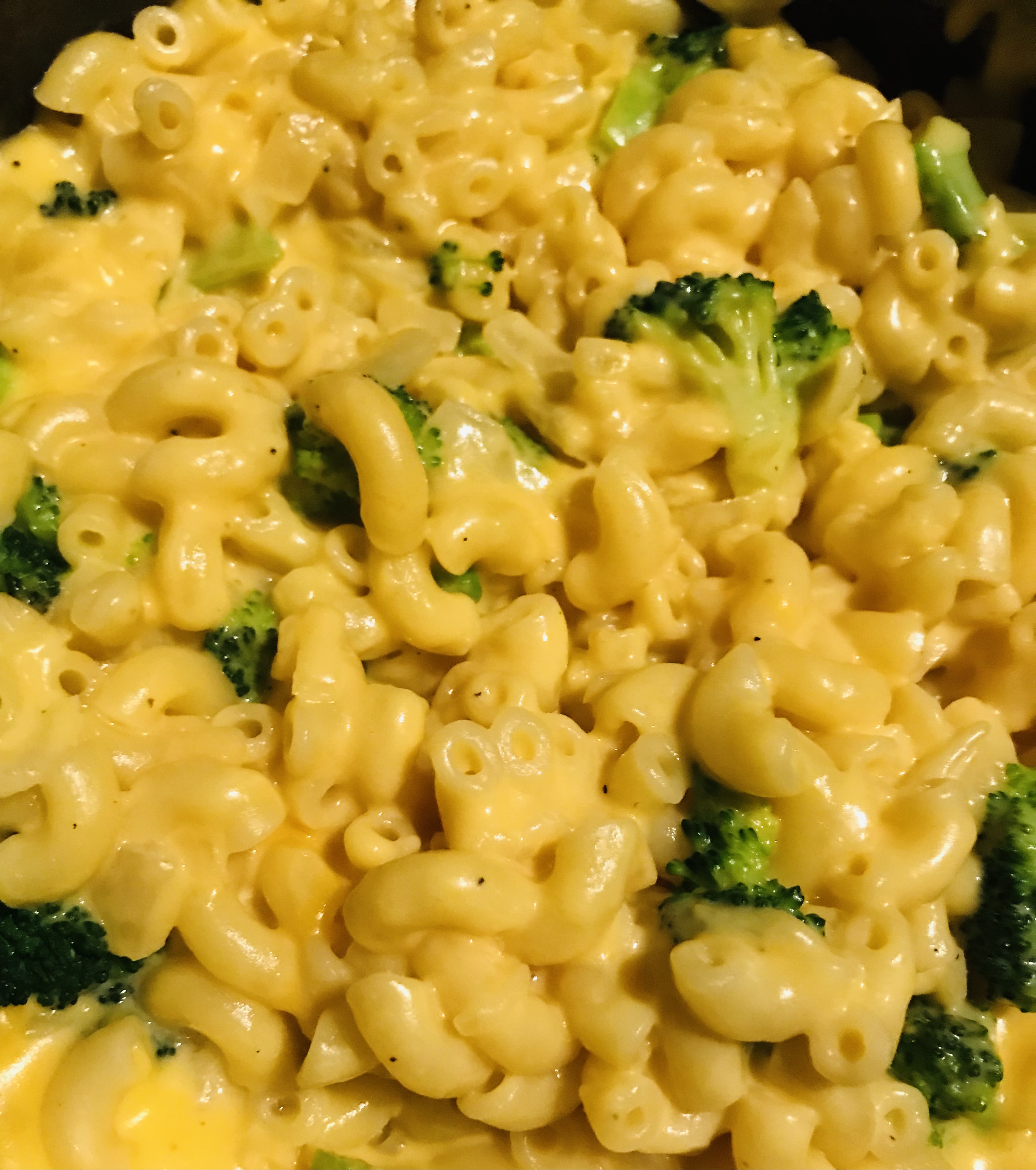
Homemade Mac & Cheese with Broccoli

Easy Pumpkin Mac & Cheese

Ingredients

  • 8 oz dried pasta
  • 1 Tbs butter
  • 1 Tbs flour
  • 1 cup lowfat 2% milk
  • 1 cup shredded sharp cheddar cheese
  • 1/2 cup canned pumpkin
  • 1/2 tsp granulated garlic
  • 1/2 tsp granulated onion
  • 1/2 tsp smoked paprika

Directions

  1. Cook pasta according to package directions.
  2. Meanwhile, melt butter in a medium saucepan over medium heat. Whisk in the flour until it forms a paste, then slowly add the milk while whisking constantly. Cook 1-2 minutes until it comes to a simmer. 
  3. Stir in the pumpkin, cheese and spices then continue to cook over medium low, whisking often. Season with salt and pepper to taste.
  4. Once pasta is done, strain and transfer to the warm cheese sauce. Stir until completely coated.

Makes 6 servings

Nutrition Facts

Per Serving: Calories 248; Protein 10g; Total Fat 7.9g Saturated Fat 4.3g Trans Fat 0.0g; Total Carbohydrates 34g Dietary Fiber 2g  


How to Build a Foundation of Self-Care for Kids

Guest blog by Ana Willis, http://fitkids.info 

As parents, it’s up to us to teach our children how to care for themselves. We can never start building a foundation of self-care too early. Children today are under exponential stress, and giving them permission to take care of their own personal physical and emotional needs will help them stay healthy into adulthood.

Model Healthy Behaviors

It is simply not enough to tell your kids they have to do things like sleep and eat well. If you want to truly have an impact, you have to model healthy behaviors yourself. This is especially important if you work remotely, like many parents across the country, and also have children at home. Working at home with kids is difficult in the best of times. We are not living in the best of times! The pandemic has put a great deal of stress and strain on working parents to the point where it’s taking a toll on their physical and mental health.

As a remote working parent, you have to find ways to reduce stress on yourself. Start by asking your employer for a flexible schedule. You will then want to set rules with your family, especially with kids, so that they are not continually interrupting you while you are trying to focus on making a living. Make a schedule, and then ensure everyone in your family understands when you are and are not available.

Other ways to model healthy behaviors are to make sure that you get enough sleep, exercise regularly, and eat the right balance of food so that your body has ample stores of the vitamins and minerals it needs to function at its peak. It can also help to take care of your outward appearance. Make a point to shower each morning and get yourself dressed as though you are going into the office. This will help keep you on a schedule and instill in your children that it’s wise to transition from “home” mode into work or school mode.

Make Fitness Fun

You don’t need statistics to tell you that kids today don’t exercise nearly as much as they did in the days before high-definition video games and the internet. Children as young as 11 are living sedentary lives, according to Cleveland Clinic. This is an alarming issue as lack of activity can result in a host of health problems, including obesity and heart disease.

Fortunately, there are many fun and exciting ways to get the kids off the couch, even during the digital age. You can even use their electronics to encourage fitness. One great example is the game Beat Saber, which is available on the Oculus VR system. This game is just one of many active games that can help children keep their bodies moving while burning a similar number of calories as they would if they were outdoors playing tennis. 

You can also eliminate tech time for a few hours each day, and go outside with your children. Build a fort, toss a football, or simply go for a walk around the neighborhood. Your activities don’t have to be extreme or regimented to be beneficial. Keeping your own self up and moving will ensure that your children do so throughout their lifetime!

Empower kids to take charge

Modeling self-care behaviors and encouraging exercise are an excellent start. But, self-care is more than just this. Self-care is a broad term that refers to everything we can do to keep ourselves mentally and physically well every day.

An important part of our self-care efforts is teaching our children how to make healthy food decisions. Even the youngest members of your family can do so, but they do need your help. Get in the kitchen with them, and let them whip up their own healthy snacks after school. Smoothies, fruit trays, and peanut butter and apple pitas are all options that children in the ten and under crowd can make for themselves.

Self-care also means paying attention to how we feel about how other people treat us. Kids today are exposed to so much negativity in the real world and the media alike. It can be difficult for them to distinguish healthy relationships from those that take a toll on their mental health. Unfortunately, children are not immune from having toxic friendships, which are often emotionally, verbally, or physically abusive. Talk to your children about what types of behaviors are acceptable and which are not. And, if you have friendships that make you question your own worth, it’s time to cut ties to these.

The hope here is that kids will learn how to recognize what makes them feel good. Whether this is eating healthy foods, getting enough sleep, or even playing games that incorporate their favorite music, self-care is crucial to build them up. As a parent, you can model healthy behaviors by taking care of yourself and giving your children opportunities to do the same.


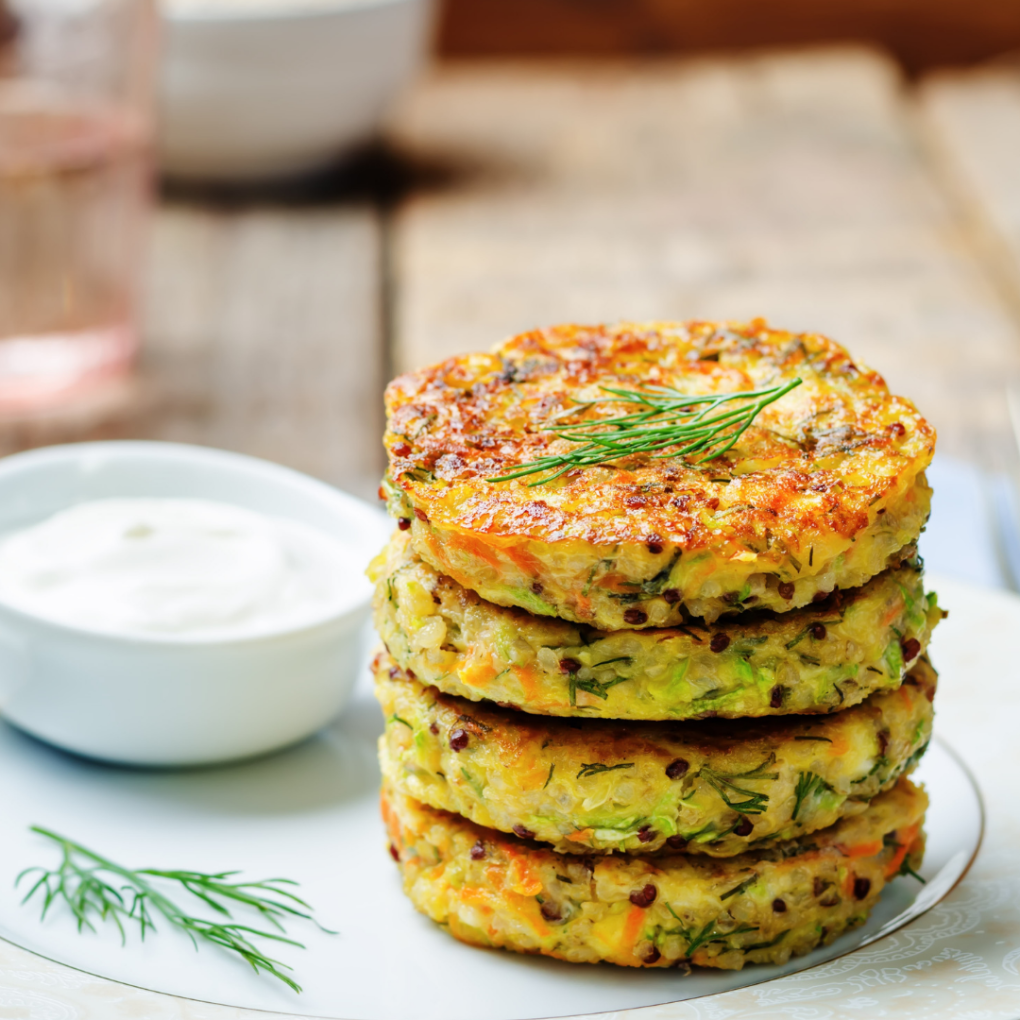
Chickpea Quinoa Fritters (plant-based)

Plant-based Diet helps to reduce inflammation

Sugar, trans-fats, and alcohol are known to contribute to many diseases. But did you know that red meat, especially processed meat, and dairy foods may be pro-inflammatory and can lead to chronic inflammation? Before we get into how a plant-based diet can help, let’s have a look at how inflammation happens in our body.

Acute Inflammation

Can you remember the last time you cut yourself, were stung by a bee, or injured a joint? Your body reacted in a way to heal itself – to return the injured tissue to a normal state. The reaction that caused the uncomfortable pain, redness, and swelling is the result of a protective response known as inflammation. Inflammation is necessary and is not bad, but it has its place – as in the cases cited above when there is an acute injury. The benefit of an inflammatory reaction can be life-saving, so suppressing inflammation completely is not possible. When inflammation becomes chronic, however, extinguishing some of the fire can have big health benefits.

Chronic Inflammation

Chronic inflammation is harder to identify than acute and is a state of prolonged inflammation. The same cells that help with acute injury healing actually do damage if they hang around too long when the inflammatory switch gets stuck in the “on” position. While chronic inflammation is not known to be the primary cause any one disease, it is now widely accepted that it plays a role in diseases such as cardiovascular disease, diabetes, cancer, autoimmune diseases, metabolic disorders, such as overweight and obesity, as well as neurological diseases. Causes of chronic inflammation may include persistent infection, food sensitivities, leaky gut, poor diet, poor sleep hygiene, environment, and exercise without proper recovery. Also, visceral fat, which is the fat tissue stored close to organs in the mid-section, can be a driver of chronic inflammation as it is dynamic and produces a variety of pro-inflammatory hormones.

Anti-Inflammatory Diet

The easiest, low-risk approach to addressing chronic inflammation is with diet. An anti-inflammatory diet is described in research as one that is appropriate in calories, low in processed carbohydrates, high in fiber, high in mono and polyunsaturated fats, higher in omega 3 than omega 6, and high in antioxidants. Translation: High in whole, plant foods with a focus on healthy fats and moderate animal protein intake –at least 75% plant foods and no more than 25% animal proteins.

This type of 75/25 dietary ratio hits all the anti-inflammatory buttons as whole plant foods are almost always less calorie-dense than processed foods, they are high in fiber, and contain a wide variety of disease-fighting antioxidants. Certain plant foods such as chia seed, avocados, walnuts, and olive oil are rich in healthy fats. The other 25% of your plate? High-quality animal proteins. Salmon, sardines, and mackerel are animal proteins of note as they are also excellent sources of omega-3 fats, which are anti-inflammatory.

Transitioning to a Plant-based Diet

By reducing intake of processed foods and replacing them with colorful, whole plant foods you are well on your way to reaping the benefits of an anti-inflammatory diet and reducing risk of many chronic diseases. Curious as how to transition to a plant-based diet with success? I have created an e-book that shows you how to plan, shop, and cook plant foods, including an extensive pantry list to stock up on essential ingredients. This FREE e-book is a great resource to get you started on plant-based eating.


How to Avoid The Most Common Nutrient Deficiencies

It’s proven: 31 percent of people in the United States are at risk for a deficiency in at least one vitamin or mineral essential for good health. It may be hard to imagine that we don’t get enough nutrition when we see an abundance of food available 24/7, but it’s true. A recent study showed that many of us need more of these top five nutrients: Vitamin B6, Vitamin B12, Vitamin C, Vitamin D, and iron.

Should you be concerned about being low in one or two vitamins or minerals? In a word, yes. That’s because vitamins and minerals are essential for optimal health. Being low may not cause immediate symptoms, but it puts you at risk for many serious diseases that can affect your brain, heart, blood, immune system, metabolism, bones, mental health, etc. Nutrients are key pieces your body needs to maintain all of your systems in good working order. Missing just one or two pieces can throw off the delicate balance you need to be healthy and feel great. That’s because most nutrients don’t have just one vital role to play within the body, they play many, many vital roles.

How would you even know if you’re at risk for a nutrient deficiency? It’s not always obvious. Sometimes symptoms aren’t felt for a long time and sometimes they’re very vague and non-specific. For example, fatigue, irritability, aches and pains, decreased immune function, and heart palpitations can be signs of many things, including a nutrient deficiency. This article goes over the five most commonly deficient nutrients, some of the more obvious symptoms, and foods that are high in each so you can get enough.

Vitamin B6

The number one most common nutrient deficiency found in the US was Vitamin B6. This vitamin is important for your blood, brain, and metabolism. Vitamin B6 helps the formation of hemoglobin in the blood (the part that carries oxygen around). It also helps to maintain normal levels of homocysteine (high levels of homocysteine are linked with heart disease). In addition, this vitamin plays an important role in the production of neurotransmitters (chemical messengers allowing nerve cells to communicate with each other). Not to mention the fact that it’s also involved with over 100 enzyme reactions in the body, mostly for metabolism. 

Some of the main symptoms of a serious deficiency in Vitamin B6 are depression, confusion, convulsions, and a type of anemia called “microcytic” anemia. Symptoms of a less serious deficiency are no less serious. They include increased risks for heart disease and Alzheimer’s. These wide-ranging health effects are why Vitamin B6 is so essential for health. 

Vitamin B6 is found in all food groups. People who eat high-fiber cereals tend to have higher levels of the vitamin because cereals are often fortified with it. Vitamin B6 is also found in high quantities in potatoes, non-citrus fruits (e.g., bananas), and various animal-based foods such as poultry, fish, and organ meats.

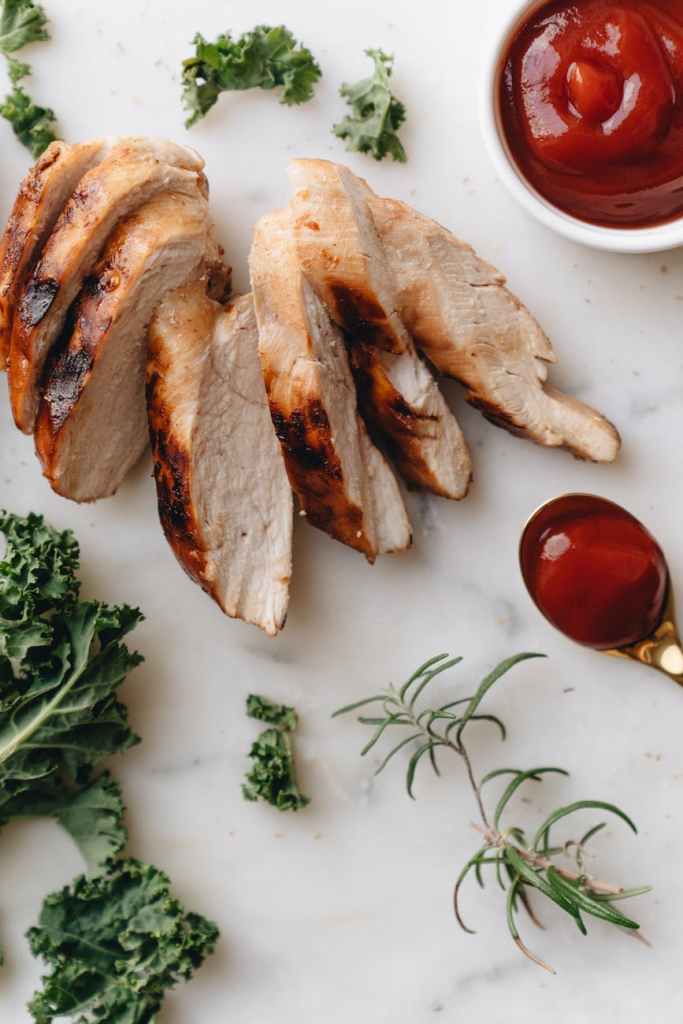
Chicken and Potatoes are good sources of Vitamin B6

Vitamin B12

Like Vitamin B6, Vitamin B12 is also very important for your blood and brain. It is needed for the creation of healthy red blood cells and the formation of the outer coating of nerve cells (myelin) which is very important for their optimal functioning.

Vitamin B12 can be a bit difficult to absorb from your food. To improve absorption, it’s important to have adequate acid and digestive enzymes in the stomach. This is because the vitamin is very strongly bound to the proteins in food, and stomach acid and enzymes help to break those bonds and free the vitamin so your body can take it in.

Having a Vitamin B12 deficiency can be caused by a type of anemia called “pernicious” anemia. Pernicious anemia is an autoimmune disease that affects the stomach and reduces its ability to absorb Vitamin B12. A deficiency in Vitamin B12 can then lead to a different type of anemia called “megaloblastic” anemia. Low levels of Vitamin B12 can also cause neurological damage (due to impaired myelination of nerve cells). 

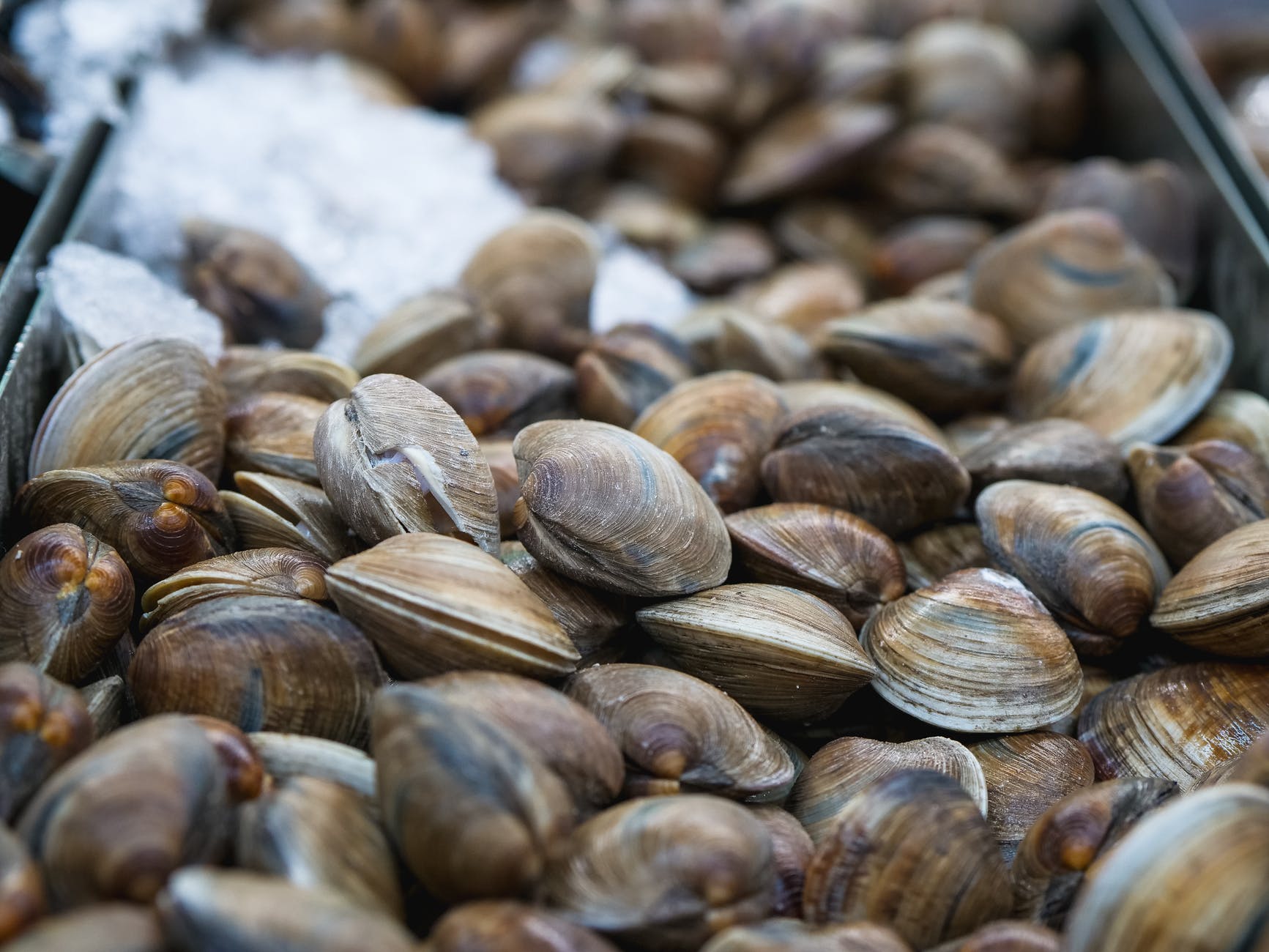
Vitamin B12 isn’t naturally present in most plant-based foods, except it is found in some nutritional yeast products. It is naturally found in dairy, eggs, fish, poultry and meat and is particularly high in clams, beef liver, trout, and salmon. Many breakfast cereals are fortified with Vitamin B12. 

Clams are rich in Vitamin B12

If you are consuming Vitamin B12 supplements or eating foods that are fortified with Vitamin B12, your levels of stomach acid and digestive enzymes aren’t as critical as they are for the absorption of the vitamin directly from foods. This is because when adding Vitamin B12 to foods and supplements, it’s not tightly bound to their proteins and this makes it much more easily absorbed.

Vitamin C

Vitamin C is important for wound healing (by assisting in collagen formation), the production of neurotransmitters, metabolism, and the proper functioning of the immune system. Vitamin C deficiency can result in a disease called scurvy. Symptoms of scurvy include weak connective tissue such as bleeding, wounds that won’t heal, and even the loss of teeth.

Vitamin C also acts as an antioxidant to reduce the damage caused by free radicals that can worsen several diseases such as certain cancers and heart disease. Vitamin C also helps your body absorb the essential mineral iron, which is one of the top five nutrient deficiencies also included in this article.

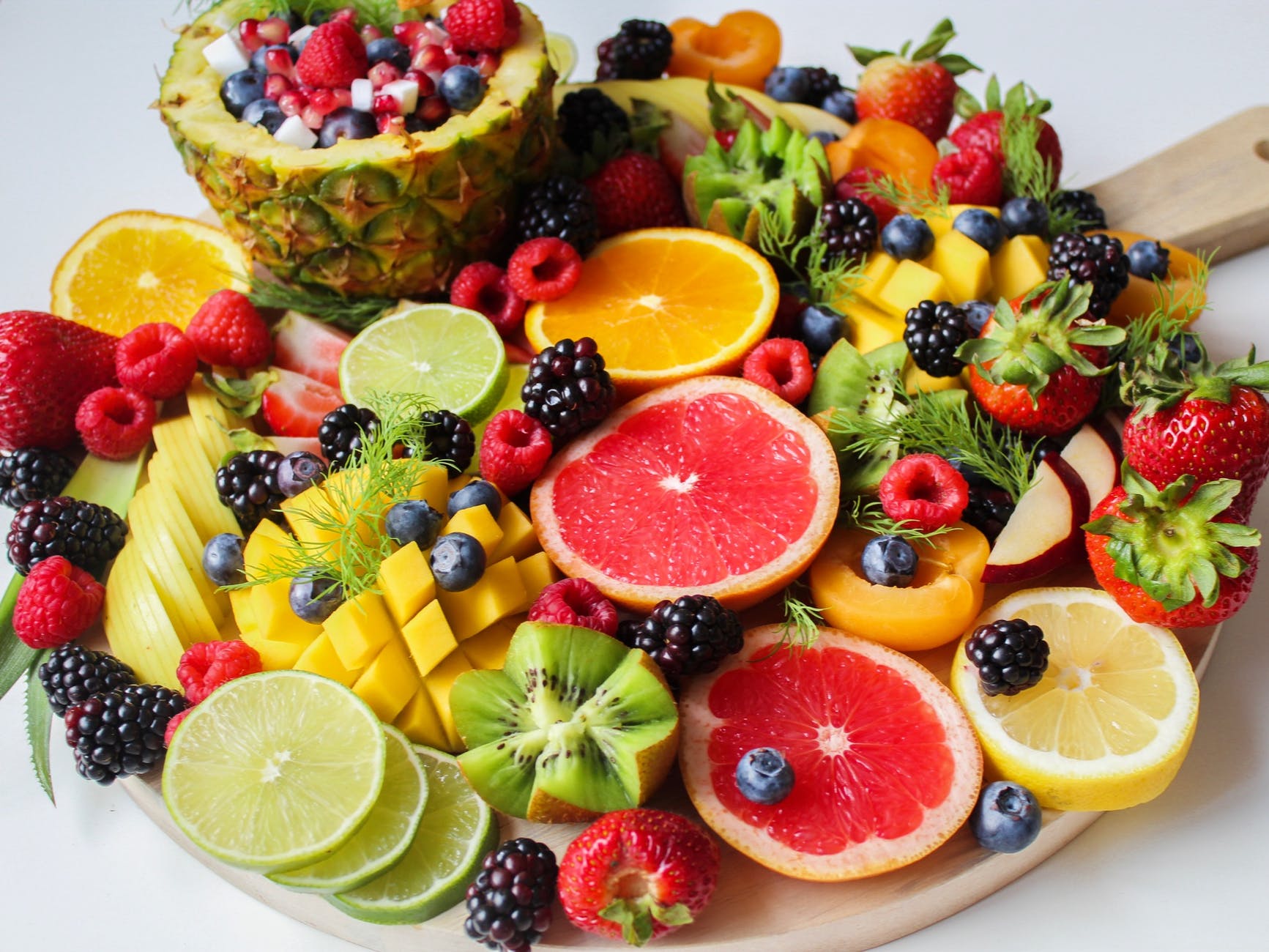
You can get Vitamin C from many fruits and vegetables. Ones particularly high in Vitamin C include bell peppers, oranges, and orange juice. Other good sources of the vitamin include kiwifruit, broccoli, strawberries, Brussels sprouts, tomato juice, cantaloupe, cabbage, and cauliflower. Vitamin C is not naturally present in grains, but some breakfast cereals are fortified with it.

When choosing foods for Vitamin C, choose the freshest options because levels of the vitamin naturally reduce over time the longer the food is stored. Try, as much as possible, to eat Vitamin C-rich foods raw. If you do cook them, then choose steaming and microwaving instead of prolonged boiling because the vitamin is destroyed by heat and is water-soluble.

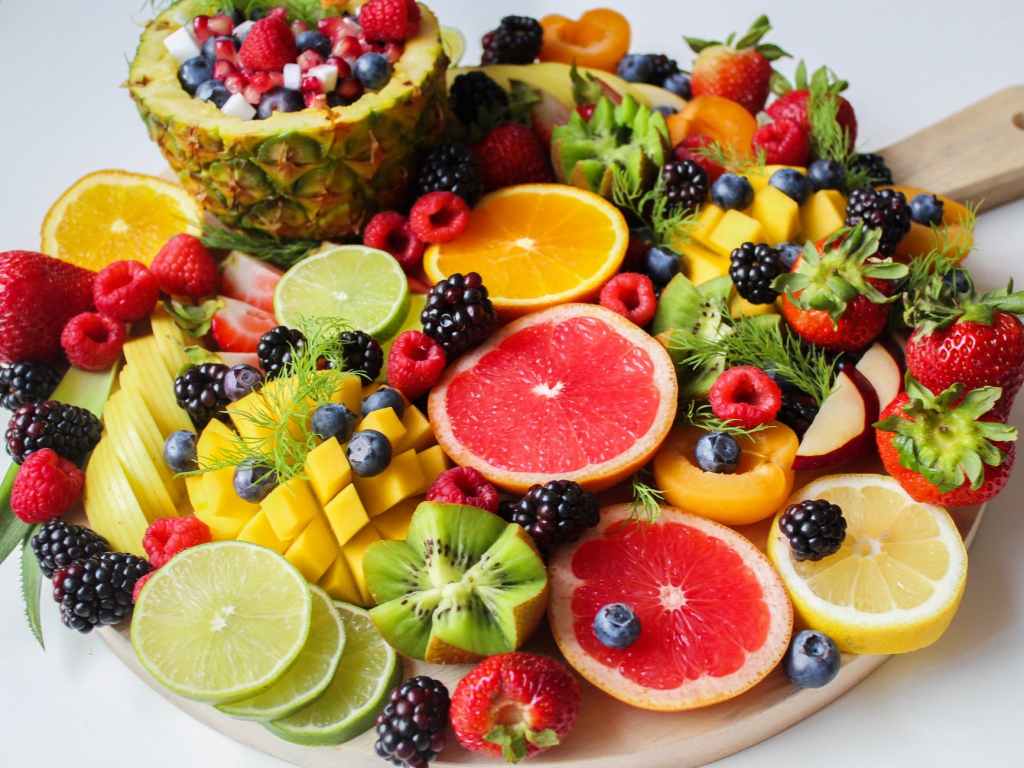
Fruit is rich in Vitamin C

Vitamin D

Vitamin D, also known as the “sunshine vitamin,” is very important for your bones. It promotes the absorption of the mineral calcium. When your body has enough calcium, it can maintain normal bone mineralization and prevent problems in the muscles that lead to cramps and spasms. Getting enough Vitamin D and calcium can also help protect against osteoporosis. In addition to all of these bone and muscle impacts, Vitamin D helps to reduce inflammation and modulate both immune function and sugar metabolism. 

Without enough Vitamin D bones can become thin, brittle, or misshapen. Vitamin D prevents these issues known as rickets (in children) and osteomalacia (in adults).

Your skin makes Vitamin D when it’s exposed to the ultraviolet rays of the sun and very few foods naturally contain it. The few Vitamin D-rich foods include fatty fish and fish liver oils (e.g., salmon, trout, cod liver oil). Other foods that naturally contain small amounts of Vitamin D include egg yolks, beef liver, and cheddar cheese. Some mushrooms can contain Vitamin D—particularly those exposed to UV light. 

Salmon is a good source of Vitamin D

Most of the dietary Vitamin D that people in the US get is from fortified foods and beverages. These include some dairy products (mainly milk), certain plant milks (e.g., soy, almond, or oat milks), various breakfast cereals, and a few types of orange juice. Be sure to look at the nutrition labels to see if and how much Vitamin D is in each serving of the food or beverage.

Iron

Iron is a mineral essential for healthy blood so that it can transport vital oxygen throughout your body every second of every day. This happens via a compound in your red blood cells called “hemoglobin.” Iron also supports your muscles (like Vitamin D) and your connective tissue (like Vitamin C). Having adequate iron is necessary for physical growth, neurological development, hormone production, and the function of your cells. 

A deficiency in iron is commonly known as “anemia.” Menstruating women tend to be lower in iron simply because of their regular loss of blood.

Most iron in the body is in the blood, but there is some stored in the liver, spleen, bone marrow, and muscles. This is why iron deficiency progresses slowly from depleting your stores (mild iron deficiency), to reducing the number of red blood cells (marginal iron deficiency), before you get to full-out iron deficiency anemia.

Iron is naturally found in many foods in one of two forms: heme and nonheme. Animal-based foods contain the more absorbable heme form. Plant-based foods naturally contain nonheme iron. This is where Vitamin C comes in. Vitamin C helps your body absorb the nonheme iron from plants, which is why, if plants are a main source of iron in your diet, it’s important to combine iron-rich plants with Vitamin C-rich plants in the same meal.

Some of the best sources of iron include fortified cereals, oysters, white beans, dark chocolate, beef liver, lentils, spinach, and tofu.

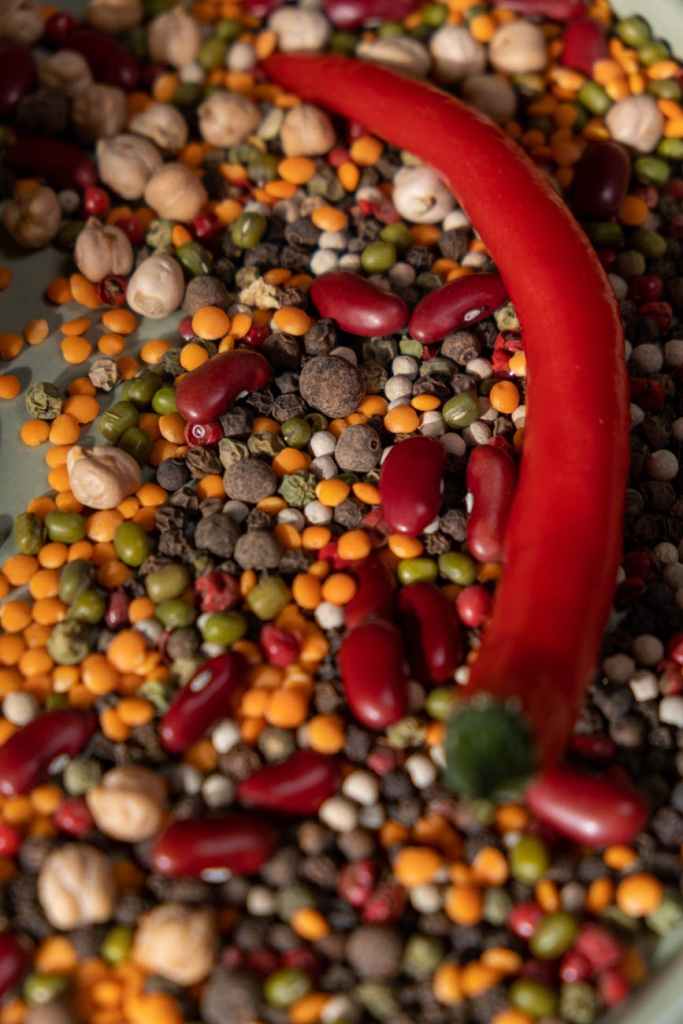
Combine Vitamin C rich peppers with beans and lentils to enhance iron absorption

Bottom line

Up to one-third of people in the US are at risk for at least one nutrient deficiency. Most commonly, that deficient nutrient is Vitamin B6, but there are also many people deficient in vitamins B12, C, and D, as well as the mineral iron. Vitamins and minerals are essential nutrients because everybody needs them on a regular basis for good health. Lacking in any one nutrient can have far-reaching consequences. Eating a nutrient-rich diet with a variety of foods can help everyone achieve their health and nutrition goals. If you are uncertain about the nutrient adequacy of your diet, taking a multivitamin is a good insurance policy. Optimal Multivitamin with Iron by Seeking Health is a well-rounded daily multivitamin and mineral supplement with high-potency gentle iron and active B vitamins. Quality matters when it comes to dietary supplement. Consider the bioavailability of the nutrients when comparing prices. Don’t waste your money buying supplements that your body can’t absorb and utilize. Be sure to choose a reputable brand with 3rd party testing to verify the content of the supplement. For trusted professional brands, check out my wellness store. I offer my readers 15% off all purchases.

To know if you’re at risk for a nutrient deficiency, consult a Registered Dietitian who can review your food intake and supplements.