Boost Your Collagen with Bone Broth and More!

Bone broth is all the rage for a good reason! It is a great source of collagen and contains many other nutrients your body needs to make collagen. 

But what exactly is collagen? Collagen is the primary structural protein in the body, essentially acting like the “glue” that holds us together. You can say it has form and function in our body such as providing elasticity and strength to our skin, repairing and replacing skin cells, and maintaining the health of joints, bones, ligaments, tendons, hair, skin, and nails.

With all these essential functions in the body, no wonder bone broth is popular with health enthusiasts as the new health food. But the fact is that bone broth has been around for thousands of years in Asia. For those who grew up with grandparents or just older parents from the old world, bone broth was likely a part of your diet, like it was for me. As a child, my mother made bone broth frequently and touted its goodness to entice me. I didn’t really understand all the benefits then but her bone broth did taste pretty good!

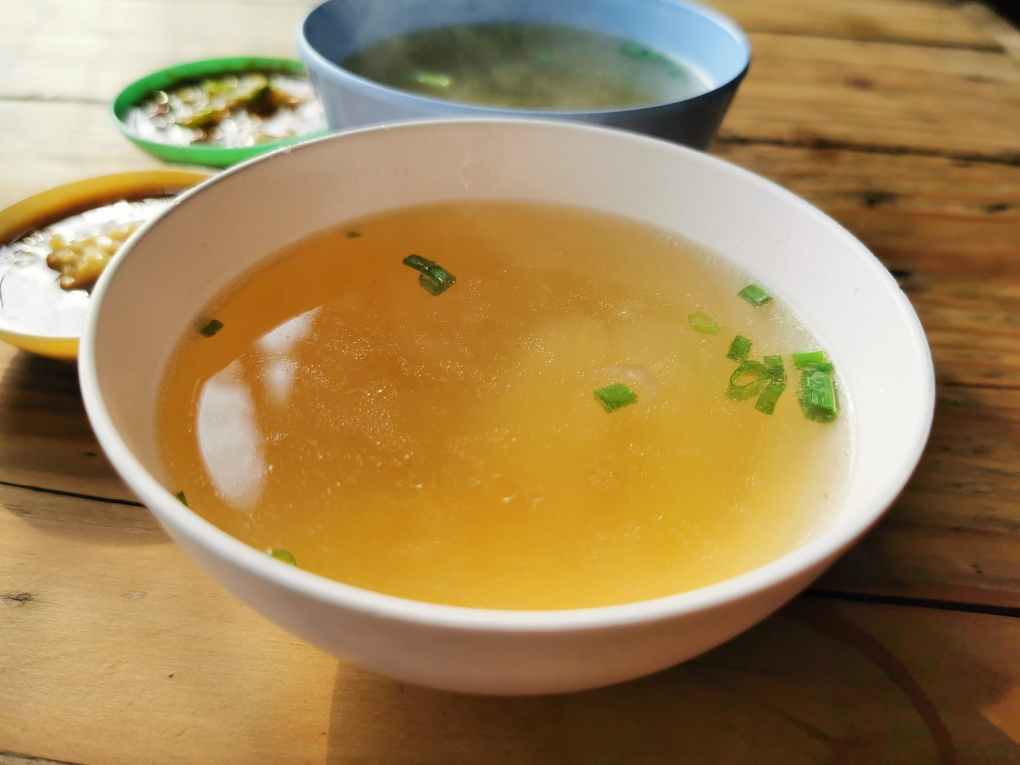
There is nothing complicated about making bone broth. Just simmer your bones of choice (chicken, beef, turkey, or fish) covered, over low heat for 48 hours. This will extract the most collagen and nutrients from the bones. A slow cooker works well if you don’t want to leave the stove on overnight. Once the broth has finished cooking, transfer to glass jars, let cool, and refrigerate or freeze. As the broth cools, you will notice a layer of gelatin forming. This is a good sign as the gelatin layer is the main source of collagen in bone broth, so be sure to keep it!

Here are some helpful tips to make your bone broth extra healthy and delicious: 

● Although not necessary, roasting your bones before simmering can improve the flavor of the broth.

● Since toxins are stored in fat and bone broth contains a lot of it, quality is key when purchasing bones. Look for bones from “organic”, “sustainable”, “grass-fed”, “pasture-raised”, and/or “free-range” sources.

● Add various organic vegetables, herbs, and spices to your broth for more flavor and nutrients. This is a great way to use up vegetable scraps like onion peels and carrot tops that you might normally throw away. Be creative and experiment with different seasonings to make your own signature bone broth!

● Add 1-2 tbsp of apple cider vinegar to your pot to give it a slightly acidic taste and assist with breaking down the bones.

If you are not a fan of bone broth or prefer not to eat meat, there are other ways to increase your collagen in the body by eating foods with collagen-boosting nutrients. Below are the top nutrients for supporting collagen formation:

NutrientFood Sources
ProlineEgg whites, meat, cheese, and soy
GlycineFish, meat, dairy, spinach, kale, cabbage, cauliflower, pumpkin, banana, and kiwi
HydroxyprolineMeat, fish, eggs, carob seeds, alfalfa sprouts
Vitamin CCitrus fruits, kiwi, strawberries, bell peppers, broccoli, and kale
Anthocyanins and antioxidantsBerries, herbs and spices such as oregano, rosemary, cinnamon, and turmeric
CopperBeef liver, sunflower seeds, cashews, chickpeas, lentils, dark chocolate, hazelnuts
SulfurGarlic, onions, egg yolk, cruciferous vegetables
Vitamin B6Chickpeas, meat, fish, potatoes, bananas, bulgur


How to Make A Virtual Dinner Party Easy with a Delicious Menu!

Don’t sweat over the menu and the logistics of a virtual dinner party! Remember the goal is to have some fun with your friends. My husband and I had a great time last night with 2 of our dearest foodie friends in Canada. That’s the beauty of a virtual dinner – sharing a meal in California and British Columbia at the same time! The border between US and Canada has been closed since March and it’s not likely to open anytime soon, so we were thrilled to find a way to cook and drink “together” again. Virtual dinner parties, like many behaviors (online shopping is a good example) that started out of necessity during the pandemic will likely continue.

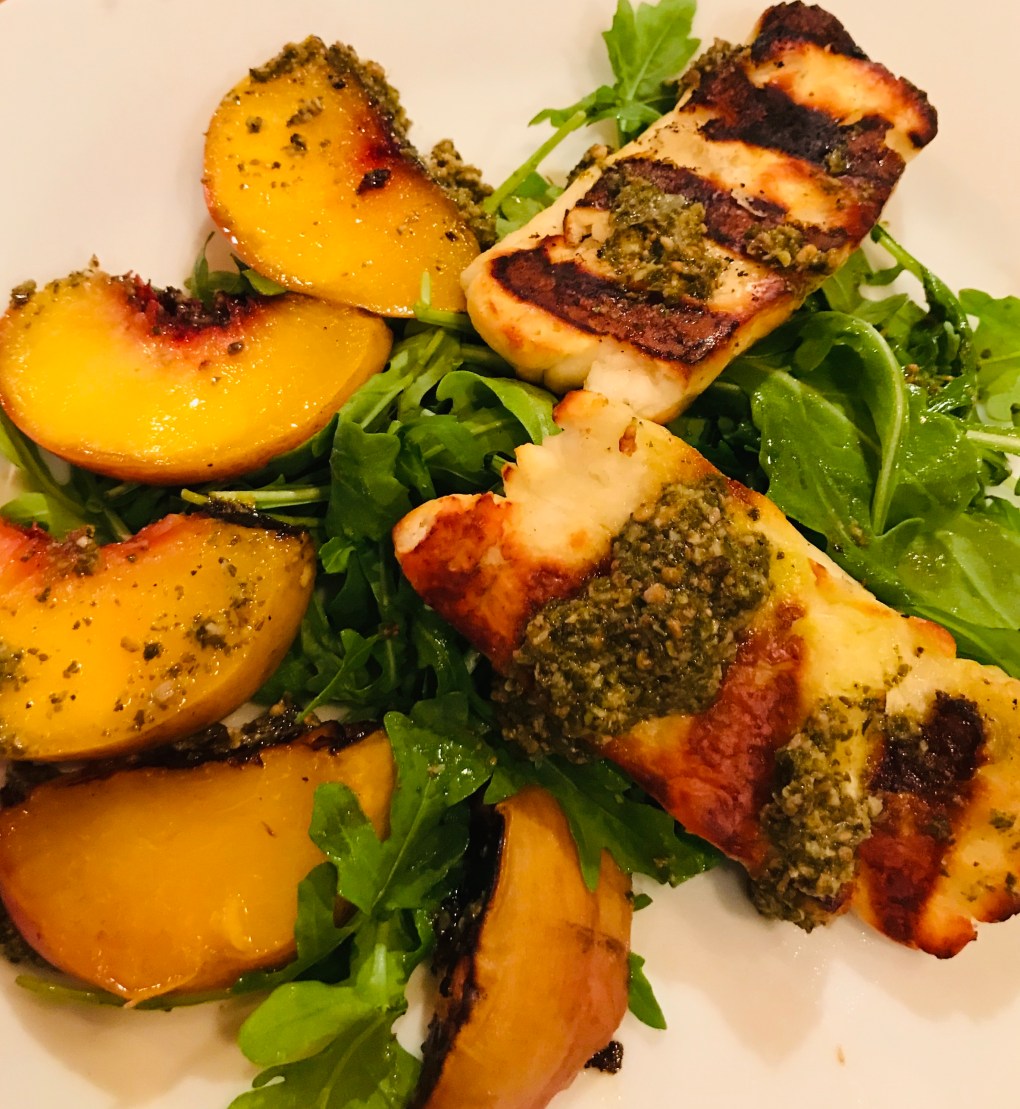
The key is to keep it simple! We just used FaceTime so we didn’t get frustrated setting up new technology unfamiliar to us. My husband put a standing pork roast on the grill rotisserie so it didn’t need much attention while cooking – leaving more time to socialize. I wanted to share a seasonal dish that is interesting and vegetarian but also easy to cook at the same time. I found the perfect recipe – Grilled peach Salad with Halloumi – in my Healthydigs Refresh Meal Plan Program. Click the link to find many more delicious recipes like this. If you haven’t grilled peaches and Halloumi cheese before, this is a must! This dish satisfies all five tastes – sweet, sour, bitter, salty and umami – of the tongue. I prepared all the ingredients ahead of time and then just grilled the peaches and Halloumi cheese for 5 minutes before plating. This was our first virtual dinner party and there will be many more to come, pandemic or not!


Egg-free Apple Muffins – Make them Nutritious and Impactful!

Have you been baking more during the pandemic? Me too! No doubt we are all deriving comfort from our food during this turbulent time. The strong emotional connection to food is well established by researchers so why fight it. Instead of worrying about the excessive consumption of sweet treats, why not take this opportunity to improve your baking skills and the nutritional quality of your baked goods for a lasting impact on your diet.

Using healthy ingredients that naturally enhance the flavor and texture of the baked product is key to a good recipe. I have been baking with low-fat buttermilk for years because it only has 2 grams of fat in a cup. The “butter” in the name buttermilk may lead you to think otherwise. It consists mostly of water, the milk sugar lactose, and the milk protein casein. The creamy consistency of buttermilk gives baked goods the richness without the fat so less butter or oil is required in the recipe. Applesauce is another secret weapon for adding moistness to your bake products to off set the hardiness of the fiber-rich wholewheat flour. I also like to use olive oil, a monounsaturated fat, in my recipe when it doesn’t alter the flavor of the product. These apple muffins are moist and packed with the natural sweetness of apples and cinnamon so enjoy them guilt-free!

High Impact Egg-free Apple Muffins

Ingredients

1 cup all-purpose flour

1 cup wholewheat flour

1/2 c. packed light brown sugar

2 tsp. baking powder

1 tsp. baking soda

1/4 tsp. salt

1 cup buttermilk

1/4 c. olive oil

1 tsp. vanilla extract

1/4 cup applesauce

2 medium Granny Smith apples, finely chopped

1 tbsp. sugar

1 tsp. ground cinnamon

Direction

Preheat oven to 400 degrees F. Grease 12 large muffin-pan cups.

In large bowl, mix flour, brown sugar, baking powder, baking soda, and salt together.

In small bowl, whisk buttermilk, oil, vanilla extract, and applesauce together until blended.

Stir wet ingredients into flour mixture just until flour r is moistened.

Fold in chopped apples.

Mix sugar and cinnamon in a small dish.

Spoon batter into muffin cups; sprinkle with cinnamon sugar.

Bake muffins 20 minutes or until toothpick inserted in center of a muffin comes out clean.

Immediately remove from pan; serve warm.


Earth Day Plant-based Meal

In celebration of the 50th anniversary of Earth Day today, I am cooking a plant-based meal for dinner. With shelter-in-place, we have more meals together as a family so our food is central to our conversation at mealtime. This presents a great opportunity to talk to our kids about how our food choices impact the environment.

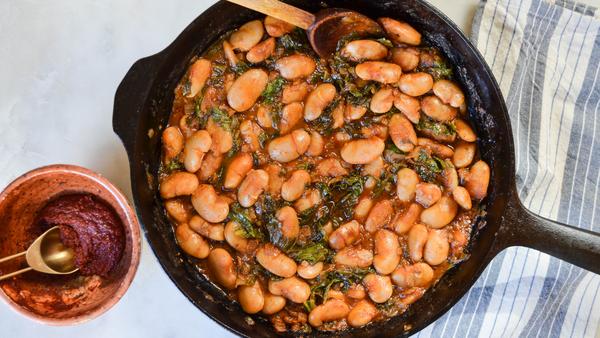
Working with the ingredients I have in my pantry during this COVID-19 pandemic has created opportunities to be creative! I know most people are stocked up with dried goods such as pasta, rice and canned beans because these items are as depleted in the grocery stores as toilet paper. Just because we are using these staples day after day, it doesn’t mean our diet has to be boring. Whether you are new to eating meatless or just looking for a fresh vegan recipe, I hope you will enjoy this tasty and nutritious bean dish made with one of my favorite spices from the well-loved Oaktown Spice Shop in Oakland, California. For more plant-based recipes, you can click on the link for a free copy of my e-book on Plant-Based Eating.

Braised White Beans and Greens with Harissa

Serves 3-4

Ingredients:

1 white or yellow onion, diced
2 cloves garlic, minced
1 teaspoon flake salt
¼ cup olive oil
3 tablespoons Harissa Paste or 1 tablespoon Harissa Powder
½ cup dry white wine
3 cups cooked white beans (such as cannellini), or 2 cans of white beans
2 cups vegetable stock
4 cups chopped greens, such as mustard greens, baby kale or spinach
Juice of half a lemon

Directions:

Heat oil over medium heat. When hot, add onion. Sauté until golden brown, about 7 or 8 minutes, adjusting heat as necessary to avoid burning. Add Harissa, salt and garlic; cook for an additional 1-2 minutes, stirring constantly, until fragrant. 

Add wine and simmer until reduced by half, about 2 minutes. Add beans, stock and a pinch of salt. Bring to a simmer and cook on low, covered, until the beans are becoming soft and creamy, about 20-30 minutes. If you like more of a stew consistency, smash some of the beans with the back of your spoon. Add greens and simmer until tender, about 5-10 minutes depending on the heartiness of the greens you use. 

Season with lemon juice, salt and pepper to taste. Serve with crusty bread.


Vegan Blueberry Lemon Muffins

I get excited about delicious vegan baked goods for many of the same reasons you do – healthy, environmentally friendly, and ethical. But the biggest personal reason is that my kids are seriously allergic to eggs. Yes, both my kids have the same allergies. The biggest challenge with an egg-free diet is avoiding hidden egg sources. Whether it’s buying a muffin or a bagel at a bakery, I always have to ask if it contains egg. Sometimes the bakery person will answer back “no, there’s no dairy”. Okay, there’s no milk products, but is there egg? It is very disappointing after much questioning about the ingredients and then have to walk away empty-handed. But with the tsunami of vegan bakeries appearing in recent years, it has changed this shopping scenario and boosted my grownup children’s happy meter.

Thinking back about 20 years ago with my first born, finding anything vegan was almost impossible except in a “natural food” store, if you were lucky enough to have one in your neighborhood. Over the years, I had to be quite creative in baking without eggs and finding various egg replacements. The recipe I am sharing with you is vegan, high in fiber and rich in monounsaturated fat. As you know, when you buy vegan baked goods, it doesn’t always mean they are healthy so I still like to do much of my own baking. Hope you enjoy these super moist and nutritious muffins!

Vegan Blueberry Lemon Muffins

1 Tbsp Lemon Juice

1 cup plant-based milk

1 Tbsp vinegar + 1 tsp baking soda (egg replacement)

1/4 cup olive oil

1/4 cup molasses

1 cup natural bran

3/4 cup whole wheat flour

3/4 cup all-purpose unbleached flour

1/3 cup packed brown sugar

1 1/2 tsp grated lemon rind

1 1/2 tsp baking powder

1/2 tsp baking soda

1 cup blueberries (fresh or frozen)

In bowl, stir lemon juice into plant-based milk; let stand for 1 minute to sour. Stir together 1 tablespoon of vinegar and 1 teaspoon of baking soda to make the egg replacement and add to bowl. Stir in oil and molasses.

In a larger bowl, combine bran, whole wheat and unbleached flours, sugar, lemon rind, baking powder and baking soda. Add milk mixture and blueberries; mix just until combined.

Spoon into nonstick or paper-lined muffin tins. Bake in 375F oven for 20-25 minutes or until firm to touch.

Makes 12 muffins.


Best Vegan Food in Cambodia – a recipe from the chef!

Finding good vegan food while traveling in developing countries appears to be a bit easier than ever before! With growing interest in veganism, more restaurants are advertising vegan options to attract travelers. Although meat is often used sparingly in many Southeast Asian cuisine and vegetable dishes are abundant, there’s no guarantee that you can find vegan suitable meals when you step into a Cambodian restaurant. If you are a pure vegan, don’t forget fish sauce and shrimp paste are wildly used in many vegetable dishes in Southeast Asia.

During my last 3 days in Cambodia, I ate in 3 very different styles of vegan restaurants that were all fantastic. The first and most notable one was Chamkar Vegetarian Restaurant in Siem Reap. The food, the setting and the hospitality were all fabulous. Since this is not a TripAdvisor review, I will only focus on the great food that I discovered. Once I learned that  the owner/chef, Nicolas, is French it became clear that French cooking techniques were infused into his dishes. The attention to detail that I love in French cuisine was on full display with the presentation of food as well. They claimed to use locally sourced fresh ingredients such as fresh coconut and I could truly taste the difference. The authenticity of the Khmer cooking with a French twist would be my best description of the food at Chamkar.  We had several dishes: Ratana’s spring rolls, Wedding day dip, Mad Eggplant Lovers (Grilled eggplant and loofah in coconut milk sauce and holy basil), Rediscovering Tofu (Stuffed tofu), and Chocolate cake with ice cream, drizzled with dark chocolate sauce. It’s impossible to pick one favorite dish but the one I would cook at home is the classic Cambodia dish, Mad Eggplant Lovers, which is so fitting for my daughter and me. Nicolas was kind enough to share his recipe (see below) with me when I asked so I hope you will enjoy it too. 

The second restaurant was Masala Dosa Street Kitchen, in Phnom Penh, serving a variety of nutritious dosa. Mmm….Indian street food in Cambodia, how odd, right? Surprisingly, this was a hit! The menu offers many international fusion flavors, such as Szechuan Dosa and Tom Yum Dosa. I chose to try the Eryngii mushroom & coconut cream dosa and it did not disappoint. Dosas are made with lentils & rice, naturally fermented, so no starch, no gluten, high protein and low fat. According to the owner, with roots in India, his mission is to create the healthiest food possible based on Ayurvedic principles. I highly recommend trying this restaurant for an extremely heathy and inexpensive meal.

Eryngii mushroom & coconut cream dosa

The third restaurant was Vibe Cafe, serving high caliber vegan food that you might find in California. It is definitely not a cultural experience but a welcome treat if you’ve been away from home for an extended period of time. For a brief moment, I forgot I was in Phnom Penh until I looked out the widow and saw the poverty on the back streets of the cafe. The food and drinks are all freshly crafted creatively and super yummy but be prepared to open your wallet just a tiny bit wilder. I had the Nourish Sandwich there because I was really missing some wholemeal bread after eating white rice and rice noodles daily for the past couple weeks. The sandwich had a beetroot hummus spread, filled with roasted pumpkin and almond feta, which created a tasty combination of flavors that made me wonder why anyone would need meat or cheese in their sandwich. If you want to try some of the recipes, you can find Vibe Cafe’s cookbook on Amazon.com.

Nourish Sandwich

I was truly inspired by the food I had in these 3 restaurants and can’t wait to expand my vegan cooking repertoire when I get home in a couple weeks.

Grilled Eggplant and loofah in coconut milk sauce and holy Basil

Ingredients for 1 serving

2 Tbsp vegetable oil

1/8 Onion

1 tsp Chili paste

1 tsp Palm sugar 1

Salt to taste

1/2 Tbsp Soy sauce

100 ml Coconut milk

1 Eggplant

50 g Loofah (may substitute with zucchini)

1 handful Bean sprout

1 handful Holy Basil leaf

1 handful Long parsley

1 Tbsp Fried Shallot

1 Tbsp Toasted Coconut

Instructions

STEP 1

First toast the dried coconut in a pan on low heat. Stir it constantly in order to prevent burning. Stop fire when the color is getting golden brown.

STEP2

Put the eggplant on the grill ( BBQ or gas) for 5 min turn over after 2 min. Remove from fire when the skin is slightly burned. Cool down for a while.

Meanwhile prepare the other vegetables. Chop onion finely. Peel the loofah and cut in slice.

STEP 3

Heat vegetable oil in a pan then fry onion for 1 min. Add loofah, chilli paste, palm sugar and stir again, then add coconut milk and salt. Peel the eggplant and cut into bite size then add eggplant, bean sprout and stir 30 seconds (add little water if too thick). At the end, stir in Holy basil for few second 

Remove the pan from the heat, transfer to a plate and serve immediately topped with deep fried shallot, shredded long parsley and toasted coconut.


Cauliflower Rice Risotto with Portobello Mushrooms

There are many reasons why cauliflower rice is so popular. It is super easy and fast to cook, and most of all, super nutritious! What better than a substitute for starch, either as a rice or a pizza crust, that you can eat guilt-free because it is ultra low cal and low carb. At the same time, you are banking your daily servings of vegetables without even trying.

In most dishes that use rice, you should be able to substitute with cauliflower rice. Just be aware that cauliflower will not have the starchy texture and mouth-feel that you get with white rice. without the starch, you will notice that cauliflower rice doesn’t absorb sauces as well and nor does it give a creamy texture, as in the case of risotto. That said, I was very excited with how my cauliflower risotto turned out last night and I think you will like it too!

Mushroom Cauliflower Rice Risotto

1 small head of cauliflower (2 cups riced cauliflower)

2 Tbsp olive oil

1/2 chopped onion

1 chopped Portobello mushroom cap

1/4 cup vegetable broth or white wine

Salt and pepper

Directions

  1. Use a cheese grater or a food processor to grate the head of cauliflower. You can also buy riced cauliflower in most large supermarkets.
  2. In a large pan, heat the olive oil over medium heat.
  3. Sauté onion in olive oil.
  4. Add mushroom to pan and cook until tender.
  5. Stir in riced cauliflower and vegetable broth or wine, and cook for 10 minutes.
  6. Season with salt and pepper. Option to add Parmesan cheese if you are not a vegan.


Truth about Turmeric

Turmeric really doesn’t need much introduction these days. For those who don’t do much cooking, it is a bright yellow spice commonly used in Indian cooking. If you are wondering what business turmeric has in finding its way into our lattes, it is because of its super food status in culinary medicine. Turmeric has potent antioxidants and anti-inflammatory effects which can potentially prevent and treat arthritis, cancer, heart disease and diabetes.  As a food enthusiast, I am no stranger to cooking with turmeric but I am curious whether drinking a cup of turmeric tea latte per day (a.k.a Golden Milk) will keep my knee pain away.

The medicinal effect of turmeric is attributed to its active compound, curcumin. It has been used to help prevent ailments for generations in Asia. Research indicates that you need to get 500 to 1,000 milligrams of curcumin per day for an anti-inflammatory effect. The average Indian diet provides around 60-100 milligrams of curcumin (2,000-2,500 milligrams of turmeric) per day. In other words, you would need to consume more than 10 times the amount of turmeric than what’s in a typical Indian diet. The truth is that it is not easy to get a therapeutic dose of curcumin without some supplementation. However, if you decide to take on the challenge with eating real food for your curcumin,  keep in mind that you will need to add at least 2 1/2 Tablespoons (17 grams) of turmeric a day in your diet to get 500 milligrams of curcumin. Also, curcumin is not easily absorbed and it needs to be combined with fat and black pepper to enhance its absorption. I am sharing my recipe of the Oven Roasted Turmeric Cauliflower that is super easy and delicious with an abundant amount of turmeric. Cauliflower is naturally high in antioxidant so this packs an extra anti-inflammatory punch.

Along with boosting curcumin in your diet to flight inflammation, it is beneficial to avoid inflammation inducing foods – sugar, high-fructose corn syrup, artificial trans fats, refined carbohydrates, processed meats, and alcohol – at the same time. This is a good way to double down on the battle against inflammation!

Cauliflower

Oven Roasted Turmeric Cauliflower

1 large head of cauliflower

1/4 cup Olive oil

2 Tbsp turmeric

1/2 tsp salt

1/2 tsp pepper

  1. Preheat oven to 425F.
  2. Cut cauliflower into florets and put on a rimmed baking sheet.
  3. whisk olive oil, turmeric, salt and pepper in a bowl and drizzle over cauliflower to coat pieces.
  4. Roast cauliflower in oven until tender and slightly brown for 15-25 minutes, turning halfway.


The Secret to Southeast Asian Cooking

I love Southeast Asian food for its intense flavors! Fish sauce, made of anchovies and salt, is what creates that bold taste in Vietnamese, Thai and Cambodian cuisine. it is used in salads, soups, stir-fry and dipping sauces. Many chefs and home cooks have taken fish sauce beyond Asian dishes to deliver the umami flavor to some unexpected dishes. Try a few sprinkle on the ever so popular roasted Brussels sprouts and you’ll know what I mean!

With the increasing popularity of Southeast Asian food, fish sauce is much more available in the grocery store than ever before. If you don’t find it in your local grocery store, you can always have it delivered to your door by Amazon. Just don’t expect to get a good price on it – even on Amazon Prime Day!

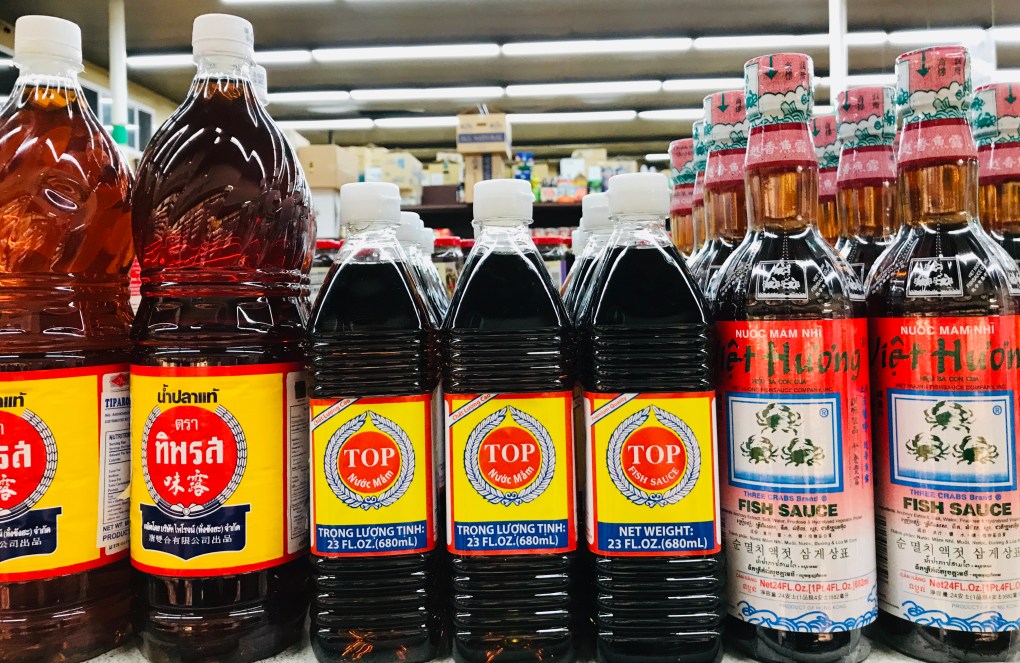
I usually get my Red Boat Fish sauce at Trader Joe’s until they were unable to restock it from their supplier in the last several months.  When I saw Red Boat Fish sauce at Sur La Table selling for $8.95 (8.45 fl. oz.), it was all the motivation I needed to make a trip to the Asian market for the authentic stuff for cheap. Of course, when I got there I was confronted with an array of choices except the Red Boat brand I was looking for. How do I decide which one to buy? Not sure it matters if it’s from Thailand or Vietnam. Price is not the deciding factor since they are all inexpensive so it boils down to their ingredients. Surprisingly, some of them contain fillers other than anchovies and salt. For example, Three Crabs brand (popular with some chefs) contains anchovy extract, water, salt, fructose (a form of sugar) and hydrolysed vegetable protein (a form of MSG) and yet it makes the claim “no MSG added” on its label. Really! Imported foods don’t always meet the same regulation on label claims so read the ingredient list to verify their claims. My final choice was the “Top” brand containing anchovies fish extract, water and salt for $1.25 (23 fl. oz.).

Fish sauce is an extremely tasty fat-free condiment. It is very high in salt so you may need to adjust the amount of added salt in the dish when using fish sauce. Be adventurous and go beyond borders when cooking with it! If you are a novice, start with the dipping sauce below for salads, noodles and grilled meats. It is a family recipe from Mai Pham, author of “The Best of Vietnamese and Thai Cooking.” It has been my go-to for over 20 years.

Classic Vietnamese Dipping sauce (Nuoc Cham)

2 small garlic cloves, sliced

1-2 tsp. ground chile paste

1-2 Thai bird peppers, or any other chiles, chopped

1/4 cup good quality fish sauce

2//3 hot water

2 Tbsp. fresh lime juice with pulp

1/4 cup sugar

2 Tbsp. shredded carrots for garnish

Place the garlic, chile paste and fresh chiles in a mortar. With a pestle, pound into a paste. If you do not have a mortar and pestle, mince by hand.

Combine the garlic mixture with the remaining ingredients (except carrots) in a small mixing bowl. Stir until the sugar has dissolved. Ladle the sauce into small ramekins and float the carrot slivers on top. Makes 1 1/2 cups. Keeps in refrigerator for one month.


Eat Smarter, Live Longer

As I was cleaning out my stash of food magazines, I came across the 2017 issues of Food & Wine. Many of its recipes I have not tried as I was on overdrive with work during that time. The February issue was entitled “Eat Smarter Live Longer” which grabbed my attention. It is comforting to know the plant-based food trend hasn’t changed much in the last couple years and I am still on the right track as a smart eater. In hopes of influencing my meat-eating husband in the right direction, I made the Chickpeas and Kale in Spicy Pomodoro Sauce from the magazine. When I served it at lunch today, he said “I thought some bacon would be great in this until I tasted it and realized it doesn’t need it at all.” This is a recipe for 4 and just the two of us polished it off. I think this says it all!

This recipe was created by Chef Missy Robbins of Brooklyn’s award-winning Lilia restaurant who took an age old Italian classic, pasta al pomodoro, and made it gluten-free by replacing pasta with chickpeas. Then she added kale, one of the healthiest greens of the 21t century to pump up the nutritional quotient. No wonder Food & Wine named this recipe one of their top 40. Below is the recipe from the February issue of Food & Wine magazine. For more healthy food ideas, check out my Instagram @healthydigz.

How to Make It

Step 1

In a large saucepan, heat the olive oil over low heat. Add the garlic and cook, stirring occasionally, until very fragrant 
but not browned, about 5 minutes. Add the tomatoes, fennel seeds, crushed red pepper and a generous pinch of salt. Cook over moderately low heat, stirring occasionally, until the tomatoes break down and 
the sauce is thickened, about 25 minutes.

Step 2

Stir the kale into the sauce and cook over moderately low heat, stirring occasionally, until wilted, about 3 minutes. Stir in the chickpeas and cook until heated through, about 3 minutes. Season with salt. Spoon into bowls and garnish with torn basil 
and marjoram leaves. Top with finely grated pecorino and serve hot.