How to avoid GMOs


IMG_4606Food companies are labelling their food packaging with more health claims than ever before but do we really know what they mean? The “NON GMO Project VERIFIED” seal is one that has been attracting my attention lately. I am seeing it on a range of products from bread to won ton wrappers. According to data from The Non-GMO Project Verified organization, their seal is the fastest growing label in the natural product industry and represents over $26 billion in annual sales. There are more than 50,000 Verified products from over 3,000 brands available to consumers in the marketplace. With this growing trend, it is definitely worth learning more about what this claim means. I went to their website and this is what I extracted:

What is a GMO?
Genetically modified organisms (GMOs) are living organisms whose genetic material has been artificially manipulated in a laboratory through genetic engineering. This creates combinations of plant, animal, bacteria, and virus genes that do not occur in nature or through traditional crossbreeding methods.

Most GMOs have been engineered to withstand the direct application of herbicide and/or to produce an insecticide. However, new technologies are now being used to artificially develop other traits in plants, such as a resistance to browning in apples, and to create new organisms using synthetic biology. Despite biotech industry promises, there is no evidence that any of the GMOs currently on the market offer increased yield, drought tolerance, enhanced nutrition, or any other consumer benefit.

Are GMOs safe?
In the absence of credible independent long-term feeding studies, the safety of GMOs is unknown. Increasingly, citizens are taking matters into their own hands and choosing to opt out of the GMO experiment.

Which foods might contain GMOs?
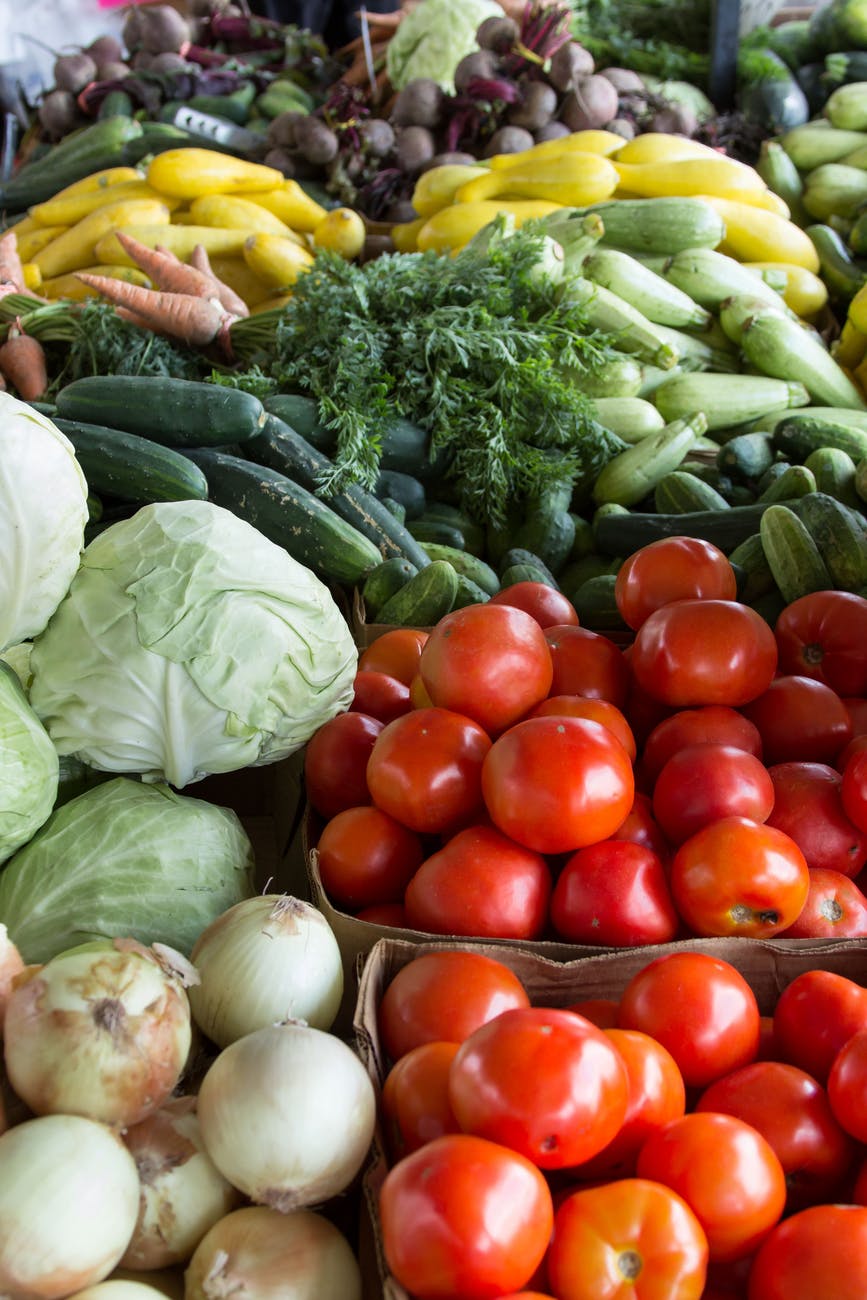
Most packaged foods contain ingredients derived from corn, soy, canola, and sugar beet — and the vast majority of those crops grown in North America are genetically modified. 

Visit the What is GMO page for more information and a list of high-risk crops.

Animal products: The Non-GMO Project also considers livestock, apiculture, and aquaculture products at high risk because genetically engineered ingredients are common in animal feed. This impacts animal products such as: eggs, milk, meat, honey, and seafood.

Processed inputs, including those from synthetic biology: GMOs also sneak into food in the form of processed crop derivatives and inputs derived from other forms of genetic engineering, such as synthetic biology. Some examples include: hydrolyzed vegetable protein, corn syrup, molasses, sucrose, textured vegetable protein, flavorings, vitamins,  yeast products, microbes & enzymes, flavors, oils & fats, proteins, and sweeteners.

My Bottomline Recommendations:

1. Avoid processed foods. The less processed the food, the less chance of GMO ingredients sneaking into the manufacturing process.

2. Eat fresh food with a short ingredient list. Less is more when it comes to healthy food!

3. Buy organic products when possible because the use of genetically modified organisms are not permitted in products that are USDA organic certified.

4. Look for the Non GMO Project Verified seal on food products, especially with products containing the high risk corps such as Corn, soy, canola, and sugar beet. The Non-GMO Project Verified seal assures consumers that a product has completed a comprehensive third-party verification for compliance with the Non-GMO Project Standard.


Discovering Hot Pilates

Imagine doing mat Pilates in a room that is 95 degree and 40% humidity with blasting uptempo pop music, flashing lights and spinning disco ball.  Not exactly what you would call a mind and body exercise class. As a yogi, I never thought I would love it as much as I do. In fact, I was hooked after my first class!

With hot yoga, it is an easy transition from Hatha yoga but that’s not to say it isn’t intimating to do yoga in 100 degree temperature with a bunch of scantily cladded sweaty people. Nevertheless, it is still a mind and body exercise class where yoga poses are familiar and relaxing. But hot Pilates is not even in the same “mind and body” universe!

I first noticed this new trend of hot Pilates classes being offered at hot yoga studios when I was in Vancouver this past summer. Apparently this “new trend” has been around for the last decade but it’s just catching on worldwide recently. The hot Pilates craze led by Gabi Walters in Las Vegas started in 2009 and she later developed it into Inferno Hot Pilates. This new training system is a combination of High Intensity Interval Training (HIIT) and Pilates principles performed in a hot room on a yoga mat.

The High Intensity Interval Training (HIIT) keeps your heart rate up, burns fat and calories, and increases fitness levels without the pounding of a high impact workout. The Pilates techniques improve body alignment, build strong core and long lean muscles. The hot temperature in the room increases blood circulation, metabolism and detoxification.

All these wonderful benefits do come with some risks. It is very easy to become dehydrated when exercising in such hot temperature and humidity. If you have high blood pressure, the heat and intensity of the workout can elevate your blood pressure to an unsafe level. The key to having a safe and fun workout is to be prepared. Hydrate your body at least 12 hours in advance; avoid eating 2-3 hours before class; and bring lots of cold water in an insulated water bottle to keep it cool during class.

At the end of my hot Pilates class at Hella Yoga in Berkeley, I came out of the studio with a rosy glow on my face, a relaxed body, a blissful feeling and a sense of accomplishment. I guess it was a mind and body class after all!


Eat Smarter, Live Longer

As I was cleaning out my stash of food magazines, I came across the 2017 issues of Food & Wine. Many of its recipes I have not tried as I was on overdrive with work during that time. The February issue was entitled “Eat Smarter Live Longer” which grabbed my attention. It is comforting to know the plant-based food trend hasn’t changed much in the last couple years and I am still on the right track as a smart eater. In hopes of influencing my meat-eating husband in the right direction, I made the Chickpeas and Kale in Spicy Pomodoro Sauce from the magazine. When I served it at lunch today, he said “I thought some bacon would be great in this until I tasted it and realized it doesn’t need it at all.” This is a recipe for 4 and just the two of us polished it off. I think this says it all!

This recipe was created by Chef Missy Robbins of Brooklyn’s award-winning Lilia restaurant who took an age old Italian classic, pasta al pomodoro, and made it gluten-free by replacing pasta with chickpeas. Then she added kale, one of the healthiest greens of the 21t century to pump up the nutritional quotient. No wonder Food & Wine named this recipe one of their top 40. Below is the recipe from the February issue of Food & Wine magazine. For more healthy food ideas, check out my Instagram @healthydigz.

How to Make It

Step 1

In a large saucepan, heat the olive oil over low heat. Add the garlic and cook, stirring occasionally, until very fragrant 
but not browned, about 5 minutes. Add the tomatoes, fennel seeds, crushed red pepper and a generous pinch of salt. Cook over moderately low heat, stirring occasionally, until the tomatoes break down and 
the sauce is thickened, about 25 minutes.

Step 2

Stir the kale into the sauce and cook over moderately low heat, stirring occasionally, until wilted, about 3 minutes. Stir in the chickpeas and cook until heated through, about 3 minutes. Season with salt. Spoon into bowls and garnish with torn basil 
and marjoram leaves. Top with finely grated pecorino and serve hot.


Urban Wellness Retreat in Vancouver

Ever faced with the dilemma of choosing between an in-and-out destination wellness retreat where location is secluded or a busy hectic exploratory sightseeing city trip? Here’s simple solution to have it all – create your own wellness retreat in a metropolitan city that is fitness minded.

Vancouver is an extremely walkable city full of wellness options! Follow my itinerary from my recent trip and enjoy a day filled with yummy food, exercise, and sightseeing. Staying in a central location of the city makes it easy to be active, find healthy restaurants and see local sites on foot. I highly recommend the Kitsilano area for all those reasons. This neighborhood is known for its yoga studios, natural food stores, and outdoor apparel shops. After all, it is the location of the corporate HQ of Lululemon and the first Whole Food store in Vancouver.

IMG_4340

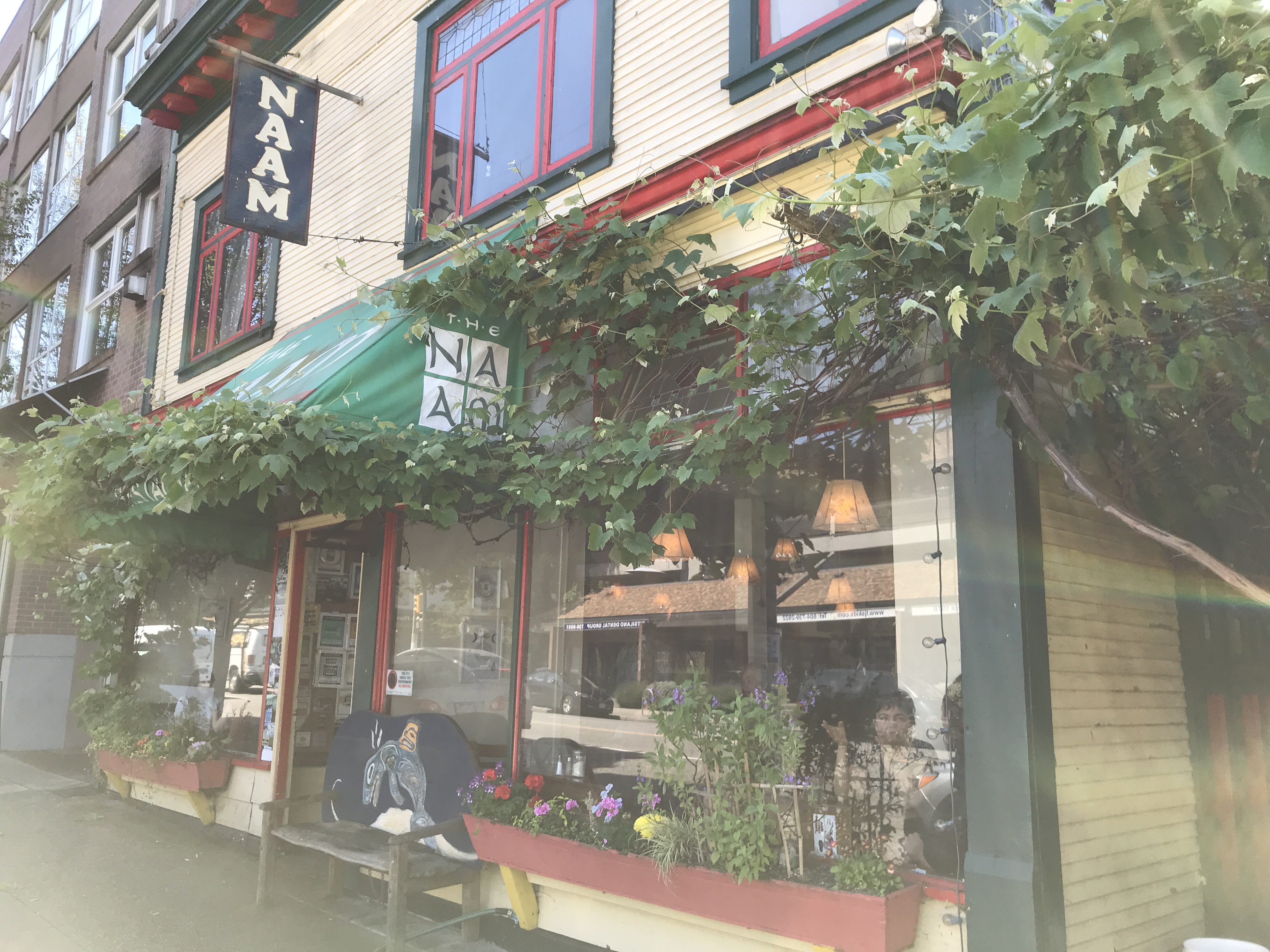
Start you day with breakfast at The Naam Restaurant, located in the heart of Kitsilano on 4th Avenue. You can get anything from scrambled tofu to hardy egg omelettes. It has served organic and locally sourced vegetarian and vegan food for over 50 years. After all these years, I found them to remain true to that original vision, using fresh and pure ingredients while maintaining a warm, earthy and welcoming atmosphere.

After a wholesome meal, head east down 4th Avenue and browse through all the trendy boutiques. Along the way, you will come across some of the best bakeries and cafes in town. Try to resist the temptations until you get to your lunch spot. I recommend grabbing a quick bite at TurF – a fitness studio, shop, bistro + coffee bar – an urban wellness lifestyle destination. Their healthy food counter serves up creative vegan fare including bowls, salads, sandwiches and extraordinary smoothies. The “Three Point Oh Burger” below was one of the best vegan burgers I’ve ever tasted. The house-made patty features black bean, eggplant, sunflower and pumpkin seeds, walnuts, oat, tahini and spices. This little cafe is part of a gym so try a workout before you dine out!

IMG_4438

Once you are fueled with some local healthy food , continue walking westbound on 4th Avenue to check out the boutiques on the other side of the street. When you reach Vine street, turn right and head down to Kitsilano beach where you will see a gorgeous view of the ocean and the north shore mountains. To the left of the beach you will find the largest saltwater swimming pool in North America. The pool is open May to mid-September with extensive hours. For a few dollars, you can enjoy a swim in a 137 meter heated infinity pool with the view of the ocean. Talk about a wellness retreat vibe for cheap!

IMG_1537

The walking path from Kitsilano beach will lead you to the Vancouver Maritime Museum and Vanier Park. Walk across the Burrard Street bridge towards downtown Vancouver, known as City of Glass. You will see why as soon as you cross the bridge. Make a left turn on Pacific Street and walk along Beach Avenue towards English Bay. Before continuing your walk into Stanley Park, stop at The Catus Club Cafe on the shores of English Bay to fuel up for the 6 mile loop around the park. You can’t beat the scenery of this location and the variety of vegetarian, vegan, and gluten free options on their menu.

At this point, if this urban wellness day has provided enough exercise, good eats, and fun, just grab a taxi back to your pad. If you still have energy to burn, it’s only a 4 mile walk back to Kitsilano.


2017 : A Year of Healthy Discoveries

Live healthy is more complicated than ever! We worry about the toxins in our food, our water and our air. We pay top dollars for organic food, cold pressed juices and chemical-free mattresses, hoping money can buy us better health. Are we truly getting what we pay for? I work for a health resort where its tagline is “Live Healthy” but I still have to ask the chef if there’s hormone in the chicken served in our restaurant. Just because a company is in the business of selling health-promoting products and services, it doesn’t mean they are truly healthy for you. One of the most common new year’s resolution is changing some habit that has to do with improving health. Sadly, studies showed that only 8% of people achieve their goal. As you embark on your journey of healthy resolutions, take small steps and commit to each step before moving on. Don’t buy into all the hype and fad! For me, healthy eating starts with healthy ingredients free of pesticides. Start with buying organic produce and eating lots of it daily. For a list of the dirty dozen and the clean 15 fruits and vegetables, check out the Environmental Working Group’s 2016 Guide to Pesticides in Produce at www.ewg.org/foodnews/index.php.


First meal in Spain

Just arrived in Barcelona last night after a long flight from San Francisoco. My family and I were looking for a delicious, but of course healthy meal, near our rented apartment located about 1/2 mile from the beach. It’s never easy spoting healthy restaurant food when traveling, but the chance is slim when you’re a foreign country where you don’t speak the language. Checking out the menu before sitting down is always a smart move. Even then, you never know if the menu description is accurate and if the dishes will meet your expectation when they show up. Our 2 dishes were not only nutritious but gluten-free and complement well in flavor. The Grilled vegetables with goat cheese was drizzled with generous amount of olive oil and balsamic vinegar. A slice of lightly grilled goat cheese was a perfect topping on the vegetables. The grilled shrimp with coconut listed on the menu was a dish of 5 huge shrimps that came with heads and shells, served with a slaw type salad. The shrimps tastes fresh and had a hint of coconut milk. All this yummy food went perfectly with a glass of local Cava. Not only am I going back for this meal again, I will be adding these 2 dishes to my repertoire of healthy recipes!


Breakfast in Bed

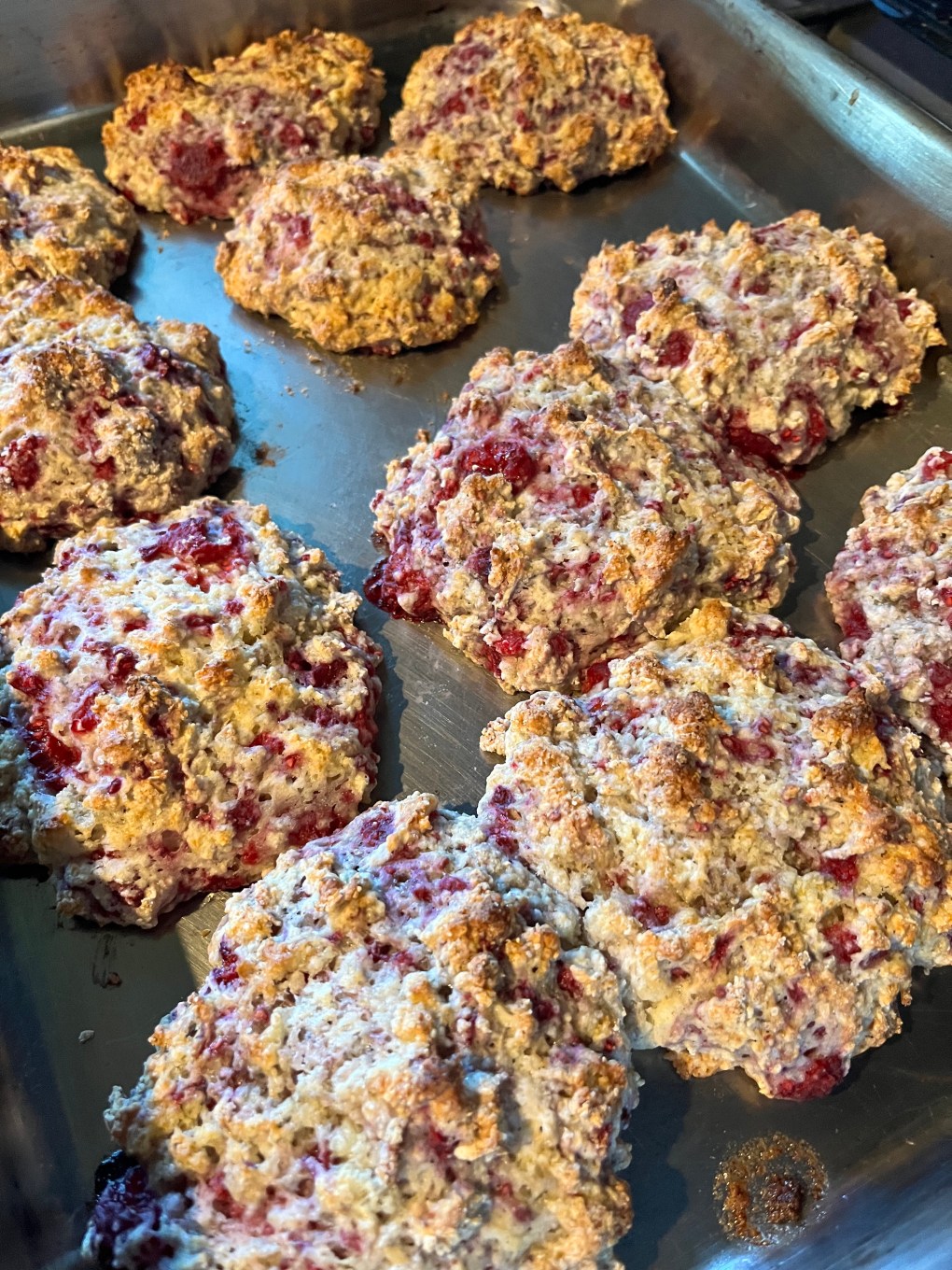
Today is my son’s 8th birthday. To continue with our family tradition, he was served breakfast in bed this morning. Since it was a work day for me, it’s got to be fast and easy but special at the same time. My Heart Healthy Raspberry Scone is perfect for the occasion. It’s delicious, nutritious and extremely yummy! Try this recipe and let me know what you think.

1 cup all-purpose flour

1 cup whole wheat flour

1/4 cup granulated sugar

1 Tbsp baking powder

1/2 tsp baking soda

1/4 cup organic butter

1 cup fresh or frozen organic raspberries

1 cup buttermilk

Combine all-purpose flour and whole wheat flours, sugar, baking powder, baking soda in a large mixing bowl. Cut in butter until mixture resembles coarse crumbs. Stir in raspberries; add buttermilk and mix lightly. Drop by spoonfuls into 10 mounds on a lightly greased baking sheet. Bake in 425F oven for 12 to 15 minutes or until golden.

Each scone has 150 Calories, 5 g fat, 4 g protein, 23 g carbohydrate, and 2 g fiber.