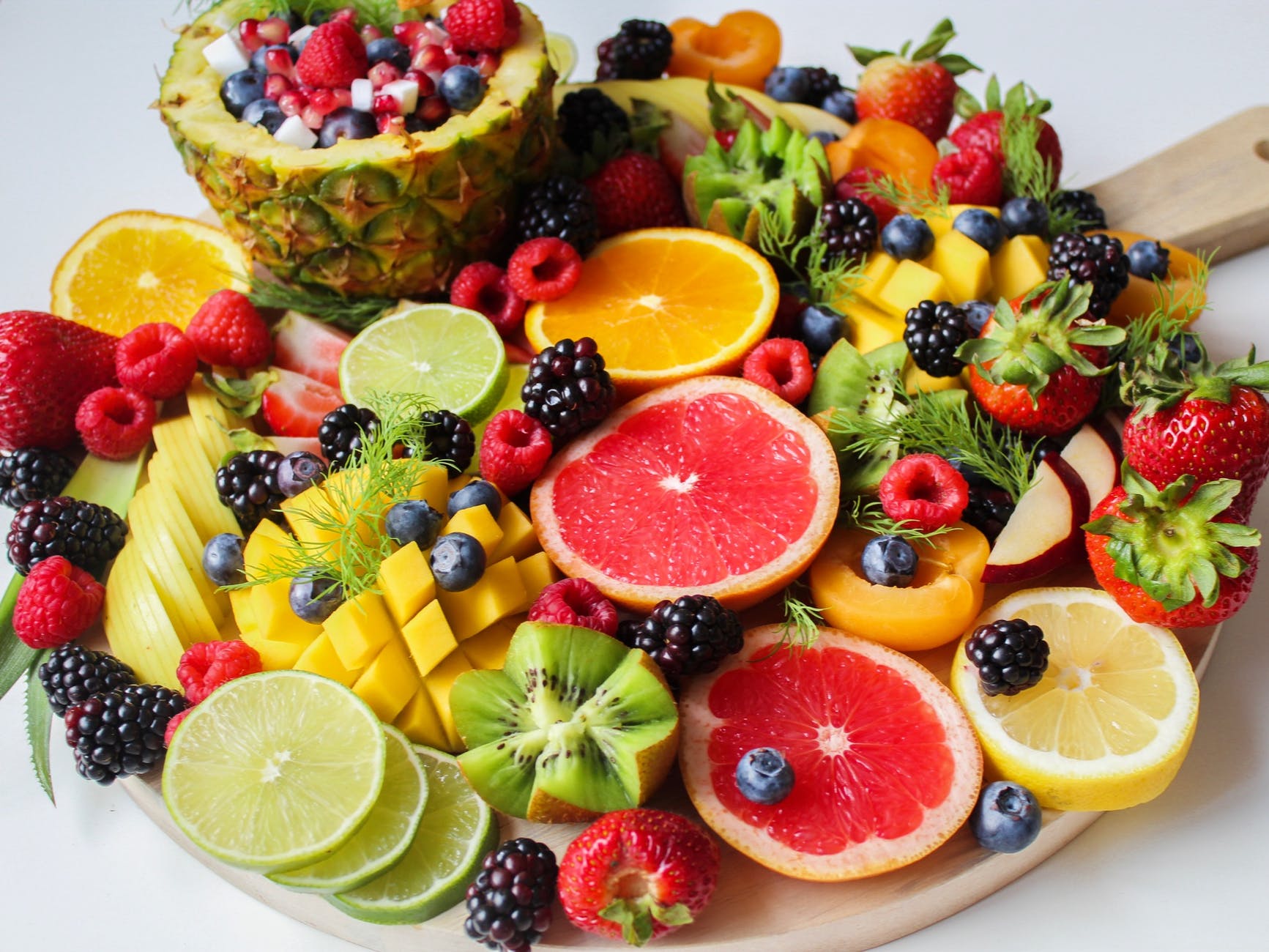
Feeding Your Brain with Food and Beyond!

Feeding your brain is essential for every function we perform. Your brain is sometimes referred to as the “control center” of your body. Beyond helping you to think and remember clearly, your brain helps to regulate the rest of your body, like your breathing, temperature, hunger, and hormones. It’s important to keep your brain as healthy as possible for as long as possible to stave off chronic—often incurable—diseases like Alzheimer’s, and science shows us how to do this.

Your brain’s health is influenced by six fundamental pillars:

  • Exercise
  • Stress reduction
  • Sleep and relaxation
  • Socialization
  • Medications and supplements
  • Food and nutrition

In this article, we’ll go through each one of these pillars of brain health before diving deeper into specific and actionable strategies surrounding food and nutrition.

Exercise for brain health

Exercise is incredibly beneficial for physical and mental fitness, to de-stress, improve sleep, as well as keep your heart, lungs, and muscles healthy. What’s more, being physically active is a fundamental pillar of brain health. There are several types of exercise and all are beneficial.

Aerobic exercise, also known as “cardio” or “endurance” exercise, helps to get your heart rate up and your muscles warm. Examples of aerobic exercises include biking, swimming, running, and climbing stairs. This type of exercise benefits your brain because it helps to preserve existing brain cells and also promotes the growth of new ones.

Another type of exercise is strength or “resistance” training such as pushing or pulling weights or other heavy objects (like groceries). This is known to help build and maintain strong bones. Strength training also helps your brain by enhancing your concentration and improving your decision-making skills.

Stress reduction for brain health

We all experience stress. Stress is how the body and brain react to a threat or stressor. These reactions are often called “fight or flight.” They include increased heart rate and breathing and a heightened sense of focus. All of these physiological reactions are initiated by the brain when it detects the threat.

Once the threat is gone, the stress response relaxes and your body and brain can regain their normal balance. However, sometimes that stress lingers on for days, weeks, and months and becomes longterm stress. It’s this chronic stress that can negatively impact your brain. Chronic stress can effectively shrink the part of your brain responsible for memory and learning in your prefrontal cortex and can increase the part of your brain, the amygdala, that is receptive to stress.

While stress cannot be eliminated entirely you can learn effective techniques to better manage it and preserve your brain health. One very practical—but often difficult—strategy is to “just say no” to things you don’t actually have to do. Turning down unnecessary opportunities to take on more responsibility may help reduce the amount of stress you feel. 

Another strategy to reduce stress is to focus on the specific problem at hand in the present moment. This can help you see the current situation more clearly and make better decisions, to avoid turning it into an unmanageably large issue or perceiving the situation to be more difficult than it has to be.

A woman meditating to reduce stress.
Photo by Marcus Aurelius on Pexels.com

Finally, calming the mind through meditation or guided imagery can help reduce the feelings of stress by refocusing your attention on something positive and soothing.

Sleep for brain health

Getting your 7-9 hours of sleep each night helps your mood and ability to manage stress. Sleep also allows you to be better able to plan and run your busy life and ensure that you can have the energy to do what you need to do to maintain and improve your well-being .

One of the most important things you can do to get enough sleep is to foster a regular sleep schedule. By going to bed and waking up at about the same time every day—including weekends and when you’re traveling—you “train” your body and brain to get on a healthy sleep schedule.

Another strategy to help you get more sleep is to create a relaxing bedtime routine. That routine can start an hour or more before you need to sleep and can include things like dimming lights, putting your screens ( such as TV, internet, or smart phone) away, listening to soothing music or reading a book, or having a warm relaxing bath.

Whatever helps you get your sleep is going to also help your brain.

Socialization

Staying connected to a network of people you care about can help reduce stress, improve mood, and help to feel more supported in life. Your social network can include your spouse and/or partner, immediate and extended family members, friends, or others in your community.

You can socialize informally or spontaneously (like walking or chatting with a neighbor) or you can join organized activities like hobby groups, sports teams, or volunteering opportunities. The brain benefits of socializing even extend beyond people to pets. Studies show that pets can help you feel calm, improve your health, and enhance your social life, all of which can benefit your brain.

Medications and supplements

Depending on your personal health situation, you may be advised to take medications or supplements. These can be important to reducing your risks for serious conditions and slowing down the progression of diseases. Some of the medical conditions that are linked to deteriorating brain health include high blood pressure, diabetes, and excess weight. These can increase your risks of cognitive decline (reduced memory and ability to think) and developing dementia.

If your doctor is recommending medications or your registered dietitian is recommending supplements, be sure to take them as directed and go for routine monitoring or testing as required.

Food and nutrition to feed your brain

There are several foods and nutrients that promote a healthy brain by slowing cognitive decline and reducing your risk of Alzheimer’s disease. University researchers developed the MIND diet to emphasize foods that are rich in antioxidants and critical brain nutrients such as vitamins and other plant-based phytochemicals. 

Here are some key foods and nutrients to boost your brain health.

Omega-3 fatty acids

Omega-3 fatty acids are a group of essential fats that promote heart and brain health. Some of the best sources of omega-3s are fatty fish such as salmon, herring, and sardines. The MIND diet recommends at least one serving of fish each week. If you don’t love fish, omega-3s are also found in nuts and seeds such as flax, chia, walnuts, and soy.

Salmon is one of the best sources of omega-3s.
Photo by Malidate Van on Pexels.com

More plants

Plants contain more than vitamins and minerals, they’re also a source of fiber and phytochemicals. Eating more plants helps more than only your brain, it’s also associated with better heart health and weight maintenance. If you want more ideas and inspiration for plant-focused eating, I invite you to subscribe to my free weekly healthy recipe here.

Some of the top plants for brain health are deeply-colored fruits and vegetables like berries, leafy greens, and broccoli. The MIND diet recommends vegetables every day, at least six servings of greens each week, and at least two servings of berries each week.

A salad of leafy greens and berries is excellent for brain health.
Photo by Alberta Studios on Pexels.com

Spices and chocolate

Spices and dark chocolate contain antioxidants called flavonoids. These compounds can help improve blood flow to the brain and reduce inflammation. These can be found in high amounts in turmeric, cinnamon, ginger, and dark and unsweetened chocolate.

Spices help to improve blood flow to the brain and reduce inflammation.
Photo by Marta Branco on Pexels.com

Coffee and teas

Did you know that coffee can help to improve your memory and ward off dementia? Up to three cups of black coffee per day is recommended. When it comes to teas, black and green teas contain antioxidants for brain health.

Moderate consumption of red wine

Resveratrol is a compound found in red wine and the skin of red grapes. It is also an antioxidant and is thought to be able to reduce cell damage and protect against the formation of plaques in the brain. Too much alcohol is not good for your brain either, so it’s important not to overdo it. Try to stick with no more than one glass of red wine per day if you’re a woman and no more than two glasses per day if you’re a man. You can also consume resveratrol from drinking red grape juice, which has the added benefit of being alcohol-free.

Whole grains

Whole grains like oats and quinoa are rich in brain-healthy B-vitamins and fiber, making them an important part of the MIND diet. B-vitamins are essential so that the brain can create energy, repair DNA, maintain the proper structure of neurons (nerve/brain cells), and create essential neurochemicals for optimal function. B-vitamins also act as antioxidants to reduce the harmful effects of free radicals that can damage all cells, including brain cells.

Vitamin D

Vitamin D is also known as the “sunshine” vitamin because your skin makes it when it’s exposed to the sun. Low levels of vitamin D are associated with increased risks for brain disorders such as Alzheimer’s. You can increase your vitamin D levels by going in the sun for 5-15 minutes three times a week. You may need slightly more time if you have darker skin or live in a more northern latitude. Try not to get too much sun without sunscreen as it can increase your risk for skin cancer. Vitamin D supplements are also widely available but be sure to purchase reputable brands that sell products with third party certifications. You can learn more about dietary supplements and shop professional-grade products here.

Limit red meat

Consuming too many foods high in saturated fats is linked with an increased risk for heart disease and Alzheimer’s disease. The MIND diet recommends no more than four servings of red meat per week. Try limiting your red meat, butter, and dairy whenever you can and consider substituting with beans, lentils, and soy.

Final thoughts

There are many things you can do to bolster your brain health. They include a number of healthy habits such as getting exercise, reducing stress, getting enough sleep, socializing with others including with pets, and following recommendations for medications and supplements. When it comes to food and nutrition for brain health, try to get enough omega-3s, more plant foods, spices and chocolate, coffee and tea, vitamin D, and a bit of red wine. Limit the amount of red meat you consume.

If you’re interested in learning more about how you can implement these six essential brain health strategies into your life, consult a health professional who can help. 


How to Avoid The Most Common Nutrient Deficiencies

It’s proven: 31 percent of people in the United States are at risk for a deficiency in at least one vitamin or mineral essential for good health. It may be hard to imagine that we don’t get enough nutrition when we see an abundance of food available 24/7, but it’s true. A recent study showed that many of us need more of these top five nutrients: Vitamin B6, Vitamin B12, Vitamin C, Vitamin D, and iron.

Should you be concerned about being low in one or two vitamins or minerals? In a word, yes. That’s because vitamins and minerals are essential for optimal health. Being low may not cause immediate symptoms, but it puts you at risk for many serious diseases that can affect your brain, heart, blood, immune system, metabolism, bones, mental health, etc. Nutrients are key pieces your body needs to maintain all of your systems in good working order. Missing just one or two pieces can throw off the delicate balance you need to be healthy and feel great. That’s because most nutrients don’t have just one vital role to play within the body, they play many, many vital roles.

How would you even know if you’re at risk for a nutrient deficiency? It’s not always obvious. Sometimes symptoms aren’t felt for a long time and sometimes they’re very vague and non-specific. For example, fatigue, irritability, aches and pains, decreased immune function, and heart palpitations can be signs of many things, including a nutrient deficiency. This article goes over the five most commonly deficient nutrients, some of the more obvious symptoms, and foods that are high in each so you can get enough.

Vitamin B6

The number one most common nutrient deficiency found in the US was Vitamin B6. This vitamin is important for your blood, brain, and metabolism. Vitamin B6 helps the formation of hemoglobin in the blood (the part that carries oxygen around). It also helps to maintain normal levels of homocysteine (high levels of homocysteine are linked with heart disease). In addition, this vitamin plays an important role in the production of neurotransmitters (chemical messengers allowing nerve cells to communicate with each other). Not to mention the fact that it’s also involved with over 100 enzyme reactions in the body, mostly for metabolism. 

Some of the main symptoms of a serious deficiency in Vitamin B6 are depression, confusion, convulsions, and a type of anemia called “microcytic” anemia. Symptoms of a less serious deficiency are no less serious. They include increased risks for heart disease and Alzheimer’s. These wide-ranging health effects are why Vitamin B6 is so essential for health. 

Vitamin B6 is found in all food groups. People who eat high-fiber cereals tend to have higher levels of the vitamin because cereals are often fortified with it. Vitamin B6 is also found in high quantities in potatoes, non-citrus fruits (e.g., bananas), and various animal-based foods such as poultry, fish, and organ meats.

Chicken and Potatoes are good sources of Vitamin B6

Vitamin B12

Like Vitamin B6, Vitamin B12 is also very important for your blood and brain. It is needed for the creation of healthy red blood cells and the formation of the outer coating of nerve cells (myelin) which is very important for their optimal functioning.

Vitamin B12 can be a bit difficult to absorb from your food. To improve absorption, it’s important to have adequate acid and digestive enzymes in the stomach. This is because the vitamin is very strongly bound to the proteins in food, and stomach acid and enzymes help to break those bonds and free the vitamin so your body can take it in.

Having a Vitamin B12 deficiency can be caused by a type of anemia called “pernicious” anemia. Pernicious anemia is an autoimmune disease that affects the stomach and reduces its ability to absorb Vitamin B12. A deficiency in Vitamin B12 can then lead to a different type of anemia called “megaloblastic” anemia. Low levels of Vitamin B12 can also cause neurological damage (due to impaired myelination of nerve cells). 

Vitamin B12 isn’t naturally present in most plant-based foods, except it is found in some nutritional yeast products. It is naturally found in dairy, eggs, fish, poultry and meat and is particularly high in clams, beef liver, trout, and salmon. Many breakfast cereals are fortified with Vitamin B12. 

Clams are rich in Vitamin B12

If you are consuming Vitamin B12 supplements or eating foods that are fortified with Vitamin B12, your levels of stomach acid and digestive enzymes aren’t as critical as they are for the absorption of the vitamin directly from foods. This is because when adding Vitamin B12 to foods and supplements, it’s not tightly bound to their proteins and this makes it much more easily absorbed.

Vitamin C

Vitamin C is important for wound healing (by assisting in collagen formation), the production of neurotransmitters, metabolism, and the proper functioning of the immune system. Vitamin C deficiency can result in a disease called scurvy. Symptoms of scurvy include weak connective tissue such as bleeding, wounds that won’t heal, and even the loss of teeth.

Vitamin C also acts as an antioxidant to reduce the damage caused by free radicals that can worsen several diseases such as certain cancers and heart disease. Vitamin C also helps your body absorb the essential mineral iron, which is one of the top five nutrient deficiencies also included in this article.

You can get Vitamin C from many fruits and vegetables. Ones particularly high in Vitamin C include bell peppers, oranges, and orange juice. Other good sources of the vitamin include kiwifruit, broccoli, strawberries, Brussels sprouts, tomato juice, cantaloupe, cabbage, and cauliflower. Vitamin C is not naturally present in grains, but some breakfast cereals are fortified with it.

When choosing foods for Vitamin C, choose the freshest options because levels of the vitamin naturally reduce over time the longer the food is stored. Try, as much as possible, to eat Vitamin C-rich foods raw. If you do cook them, then choose steaming and microwaving instead of prolonged boiling because the vitamin is destroyed by heat and is water-soluble.

Fruit is rich in Vitamin C

Vitamin D

Vitamin D, also known as the “sunshine vitamin,” is very important for your bones. It promotes the absorption of the mineral calcium. When your body has enough calcium, it can maintain normal bone mineralization and prevent problems in the muscles that lead to cramps and spasms. Getting enough Vitamin D and calcium can also help protect against osteoporosis. In addition to all of these bone and muscle impacts, Vitamin D helps to reduce inflammation and modulate both immune function and sugar metabolism. 

Without enough Vitamin D bones can become thin, brittle, or misshapen. Vitamin D prevents these issues known as rickets (in children) and osteomalacia (in adults).

Your skin makes Vitamin D when it’s exposed to the ultraviolet rays of the sun and very few foods naturally contain it. The few Vitamin D-rich foods include fatty fish and fish liver oils (e.g., salmon, trout, cod liver oil). Other foods that naturally contain small amounts of Vitamin D include egg yolks, beef liver, and cheddar cheese. Some mushrooms can contain Vitamin D—particularly those exposed to UV light. 

Salmon is a good source of Vitamin D

Most of the dietary Vitamin D that people in the US get is from fortified foods and beverages. These include some dairy products (mainly milk), certain plant milks (e.g., soy, almond, or oat milks), various breakfast cereals, and a few types of orange juice. Be sure to look at the nutrition labels to see if and how much Vitamin D is in each serving of the food or beverage.

Iron

Iron is a mineral essential for healthy blood so that it can transport vital oxygen throughout your body every second of every day. This happens via a compound in your red blood cells called “hemoglobin.” Iron also supports your muscles (like Vitamin D) and your connective tissue (like Vitamin C). Having adequate iron is necessary for physical growth, neurological development, hormone production, and the function of your cells. 

A deficiency in iron is commonly known as “anemia.” Menstruating women tend to be lower in iron simply because of their regular loss of blood.

Most iron in the body is in the blood, but there is some stored in the liver, spleen, bone marrow, and muscles. This is why iron deficiency progresses slowly from depleting your stores (mild iron deficiency), to reducing the number of red blood cells (marginal iron deficiency), before you get to full-out iron deficiency anemia.

Iron is naturally found in many foods in one of two forms: heme and nonheme. Animal-based foods contain the more absorbable heme form. Plant-based foods naturally contain nonheme iron. This is where Vitamin C comes in. Vitamin C helps your body absorb the nonheme iron from plants, which is why, if plants are a main source of iron in your diet, it’s important to combine iron-rich plants with Vitamin C-rich plants in the same meal.

Some of the best sources of iron include fortified cereals, oysters, white beans, dark chocolate, beef liver, lentils, spinach, and tofu.

Combine Vitamin C rich peppers with beans and lentils to enhance iron absorption

Bottom line

Up to one-third of people in the US are at risk for at least one nutrient deficiency. Most commonly, that deficient nutrient is Vitamin B6, but there are also many people deficient in vitamins B12, C, and D, as well as the mineral iron. Vitamins and minerals are essential nutrients because everybody needs them on a regular basis for good health. Lacking in any one nutrient can have far-reaching consequences. Eating a nutrient-rich diet with a variety of foods can help everyone achieve their health and nutrition goals. If you are uncertain about the nutrient adequacy of your diet, taking a multivitamin is a good insurance policy. Optimal Multivitamin with Iron by Seeking Health is a well-rounded daily multivitamin and mineral supplement with high-potency gentle iron and active B vitamins. Quality matters when it comes to dietary supplement. Consider the bioavailability of the nutrients when comparing prices. Don’t waste your money buying supplements that your body can’t absorb and utilize. Be sure to choose a reputable brand with 3rd party testing to verify the content of the supplement. For trusted professional brands, check out my wellness store. I offer my readers 15% off all purchases.

To know if you’re at risk for a nutrient deficiency, consult a Registered Dietitian who can review your food intake and supplements.


How to Choose Probiotic Supplements for Digestive Health

Are pill-based probiotics really effective for digestive health? Maybe for some people, but not everyone. For example, one clinical study showed that up to 40% of patients taking probiotic supplements did not have any signs of colonization—and subsequently, any related digestive benefits. These results reflect what many health practitioners observe regularly: A significant number of patients don’t achieve relevant results using standard probiotic supplements.

As a Registered Dietitian Nutritionist, I always recommend food first when possible, for achieving optimal health. For those who are allergic to or don’t like food sources of probiotics – yogurt and fermented foods, such as kimchi, kombucha, sauerkraut, and fermented vegetables – you may need to consider taking a supplement to ensure you are on track for a healthy microbiome.

Unfortunately, not all supplements are created equal! Since the FDA does nothing to ensure safety and efficacy of dietary supplements and leaves the responsibility with the individual product manufacturers, it makes it challenging for consumers to find products that are safe, effective and worth the cost. Here are some general guidelines to help you navigate the dietary supplement marketplace:

  1. Don’t decide on nutritional supplements based on cost alone. You truly get what you pay for in this case.
  2. Avoid ordering your supplements from Amazon. Many counterfeit goods are sold by third parties on Amazon. It’s not worth saving a few dollars if you can’t be sure of the contents in the container.
  3. Buy products from high quality companies. High-quality companies will pay for third-party testing to confirm the presence of ingredients, the potency of ingredients, and the absence of contaminants. Quality companies go above and beyond the requirements of cGMPs (current good manufacturing practices) and get third-party certifications related to their manufacturing practices. 
  4. Consult a qualified and trusted health practitioner, meaning someone who has formal academic training in Nutrition with credentials and knowledgeable of your health condition and needs.

When it comes to Probiotics, I have a few specific recommendations:

  1. Choose a supplement with a high number of different strains. Your gut contains over 500 species.
  2. Consume adequate doses to achieve desired results. Effectiveness varies but 5 to 10 billion colony-forming units (CFUs) per day is a good target.
  3. Ensure your supplement contains live strains of bacteria. Probiotic bacteria need to be alive to be effective.
  4. Take your probiotics with a source of prebiotic fiber (see food sources in my recent Microbiome blog post) can help to “feed” the good organisms in the gut.

With hundred of probiotics out there, it can be overwhelming to choose one even with the above guidelines. I highlighted a new product, SynerGI, from my Wellevate Supplement Dispensary that’s worth trying.

Introducing SynerGI

Botanically-Enhanced Probiotics with POS (pectic-oligosaccharides) by Clinical Synergy Professional Formulas. This live-fermented, synbiotic beverage delivers advanced, fast-acting support for digestive health and microbiome vitality.

SynerGI features a powerful liquid delivery system that provides live clinically-tested lactobacillus strains, fermented with 19 organic digestive-supporting herbs, organic berry juice, and pectic oligosaccharide (POS) prebiotic nutrient to support a healthy terrain. SynerGI is non-GMO and contains no artificial preservatives, sugar, gluten, dairy, or lactose.

Live Bacteria

SynerGI contains 8 strains of live beneficial bacteria that deliver a broad-spectrum of digestive, immune and overall health benefits. For example:

  • Bifidobacterium lactis supports nutrient absorption and healthy bacterial populations. B. lactis converts carbohydrates into lactic acid, vitamin B, and other key nutrients, and encourages an optimal low pH environment for healthy microbiome populations to thrive.
  • Bifidobacterium longum promotes a healthy gut environment and supports GI lining integrity; converts carbohydrates into lactic acid and prebiotic oligosaccharides into energy.
  • Lactobacillus acidophilus produces vitamin K and other nutrients that support a healthy microbiome. L. acidophilus also promotes metabolic balance, immune function, and other areas.

As a live-fermented, synergistic formula, SynerGI provides multi-targeted support for key areas of digestive health:

  • Supports a healthy microbiome
  • Relieves occasional diarrhea and constipation
  • Supports long-term digestive function and motility
  • Promotes nutrient absorption
  • Supports GI lining integrity
  • Supports Immunity

Clinical Synergy Formulator Dr. Isaac Eliaz has been using this unique synbiotic to provide advanced digestive and immune support for his patients. This revolutionary formula is now available through the Clinical Synergy Professional Formulas line. You can save 10% by ordering SynerGI through my online store.

Wellevate Logo