Improve Your Health with Fermented Foods

As the hub of our immune system and a key player in our overall health, the gut is a topic of fascination for researchers and health enthusiasts alike. A thriving gut microbiome is associated with a reduced risk of chronic diseases, improved digestion, enhanced nutrient absorption, and even better mental health. This is where fermented foods enter the scene. Regular consumption of fermented foods can contribute to a stronger immune response and increased resilience against infections.

Health Benefits of Fermented Food

The benefits of fermented foods extend far beyond their impact on gut health. From improved nutrient bioavailability to potential weight management support, these foods offer a wide range of advantages. Some fermented foods are also naturally rich in B vitamins, which are essential for energy production and overall vitality. Additionally, the fermentation process can break down antinutrients, making certain minerals more accessible for absorption.

Moreover, emerging research suggests that the consumption of fermented foods may have a positive influence on mental health. The gut-brain connection is a dynamic pathway, and the gut microbiome is thought to play a role in neurotransmitter production and mood regulation. By fostering a diverse and balanced gut microbiome through fermented foods, we might just be nurturing our emotional well-being as well.

Let’s now delve into the magical realm of fermented foods:

Improved Digestion: Fermented foods are packed with beneficial bacteria known as probiotics that can help improve digestion. These probiotics help break down food in the gut and produce enzymes that aid in digestion, leading to better nutrient absorption.

Enhanced Immune Function: Fermented foods contain live probiotics that can boost the immune system by increasing the production of white blood cells. This can help the body fight off infections and diseases.

Reduced Inflammation: Some fermented foods, like sauerkraut and kimchi, contain compounds that have anti-inflammatory properties. These compounds can help reduce inflammation throughout the body, which has been linked to numerous chronic diseases.

Better Nutrient Absorption: The process of fermentation can make certain nutrients more accessible to the body. For example, the lactose in milk is broken down during the fermentation process, making it easier for people with lactose intolerance to digest.

Improved Mental Health: Recent studies have found that there may be a link between gut health and mental health. The probiotics in fermented foods can improve gut health, which in turn can lead to improved mental health.

What are Fermented Foods?

Fermentation, a centuries-old food preservation technique, involves the natural breakdown of compounds by microorganisms like bacteria, yeast, and molds. Beyond preservation, the process also amplifies the nutritional value of foods, making them easier to digest and enriching them with beneficial compounds. As science delves deeper into the mysteries of the gut microbiome and its connection to overall health, fermented foods have taken center stage as a delicious and accessible way to support our body’s intricate ecosystem.

Fermented foods are teeming with live, beneficial bacteria known as probiotics. These friendly microorganisms act as reinforcements for our gut flora, promoting a balanced microbial environment and preventing the overgrowth of harmful bacteria. A well-balanced gut microbiome is not only vital for digestion but also plays a crucial role in supporting our immune system’s defense mechanisms.

Grow a Healthy Microbiome with Fermented Foods

Fermented foods have been an integral part of human diets and culinary traditions for thousands of years, providing both sustenance and unique flavors. Below is a list that are commonly available in the supermarket.

Yogurt: Yogurt is made by fermenting milk with live cultures of bacteria, specifically Lactobacillus bulgaricus and Streptococcus thermophilus. It’s a great source of calcium and protein, and the probiotics in yogurt can improve gut health.

Kefir: Kefir is a fermented drink made from milk, usually cow’s or goat’s milk. It’s made by adding kefir grains, which are a combination of yeast and bacteria, to the milk. Kefir is a great source of probiotics and can improve digestion.

Sauerkraut: Sauerkraut is a fermented cabbage dish that originated in Germany. It’s made by shredding cabbage and then fermenting it with salt and sometimes other vegetables, like carrots or onions. Sauerkraut is a great source of fiber and vitamin C, and the probiotics in sauerkraut can improve gut health.

Kimchi: Kimchi is a traditional Korean dish made from fermented cabbage and other vegetables, like radishes or carrots. It’s spicier than sauerkraut and is usually made with chili flakes and garlic. Kimchi is a good source of fiber, vitamin C, and vitamin K, and the probiotics in kimchi can improve gut health.

Miso: Miso is a traditional Japanese seasoning made from fermented soybeans. It has a salty, savory flavor and can be used in soups, sauces, and marinades. Miso is a good source of protein and fiber, and the probiotics in miso can improve gut health.

Tempeh: Tempeh is a fermented soybean cake that originated in Indonesia. It has a nutty, earthy flavor and a firm texture. Tempeh is a great source of protein and fiber, and the probiotics in tempeh can improve gut health.

Fried tempeh with rice and broccoli

Kombucha: Kombucha is a fermented tea drink that originated in China. It’s made by fermenting sweetened tea with a symbiotic culture of bacteria and yeast, known as a SCOBY. Kombucha is a good source of antioxidants and the probiotics in kombucha can improve gut health.

Pickles: Pickles are cucumbers that have been fermented in brine. They’re a great source of fiber and vitamin K, and the probiotics in pickles can improve gut health.

Cultivating a Fermented Food Habit: Tips for Boosting Intake

Incorporating fermented foods into your diet doesn’t have to be a daunting task. With a plethora of options available, there’s something to suit every taste preference. Whether you’re a seasoned sauerkraut enthusiast or a yogurt novice, there are strategies to help you increase your fermented food intake:

Start Small: If you’re new to fermented foods, begin by introducing them in small quantities to allow your digestive system to adjust gradually.

Explore Variety: Experiment with a range of fermented foods to find those that resonate with your taste buds. From classic options like yogurt and pickles to more adventurous choices like kombucha and miso, there’s a world of flavors to discover.

Homemade Creations: Consider making your own fermented foods at home. This not only gives you full control over the ingredients but can also be a fun and educational culinary endeavor.

Meal Incorporation: Incorporate fermented foods into your meals as toppings, dressings, or condiments. A spoonful of kimchi or a dollop of kefir can add a tangy twist to your dishes.

Snack Smartly: Choose fermented snacks like yogurt cups or kefir smoothies for a convenient and tasty way to get your daily dose of probiotics.

Final Thoughts:

As our understanding of the vital role our gut health plays in our overall wellness deepens, the allure of fermented foods becomes even more irresistible. These probiotic powerhouses offer a delightful path to better digestion, robust immunity, and potential emotional harmony. So, why not embark on a journey to explore the world of flavors from these tangy, zesty, and health-boosting fermented foods? Your taste buds and your gut will surely thank you.


Feeding Your Brain with Food and Beyond!

Feeding your brain is essential for every function we perform. Your brain is sometimes referred to as the “control center” of your body. Beyond helping you to think and remember clearly, your brain helps to regulate the rest of your body, like your breathing, temperature, hunger, and hormones. It’s important to keep your brain as healthy as possible for as long as possible to stave off chronic—often incurable—diseases like Alzheimer’s, and science shows us how to do this.

Your brain’s health is influenced by six fundamental pillars:

  • Exercise
  • Stress reduction
  • Sleep and relaxation
  • Socialization
  • Medications and supplements
  • Food and nutrition

In this article, we’ll go through each one of these pillars of brain health before diving deeper into specific and actionable strategies surrounding food and nutrition.

Exercise for brain health

Exercise is incredibly beneficial for physical and mental fitness, to de-stress, improve sleep, as well as keep your heart, lungs, and muscles healthy. What’s more, being physically active is a fundamental pillar of brain health. There are several types of exercise and all are beneficial.

Aerobic exercise, also known as “cardio” or “endurance” exercise, helps to get your heart rate up and your muscles warm. Examples of aerobic exercises include biking, swimming, running, and climbing stairs. This type of exercise benefits your brain because it helps to preserve existing brain cells and also promotes the growth of new ones.

Another type of exercise is strength or “resistance” training such as pushing or pulling weights or other heavy objects (like groceries). This is known to help build and maintain strong bones. Strength training also helps your brain by enhancing your concentration and improving your decision-making skills.

Stress reduction for brain health

We all experience stress. Stress is how the body and brain react to a threat or stressor. These reactions are often called “fight or flight.” They include increased heart rate and breathing and a heightened sense of focus. All of these physiological reactions are initiated by the brain when it detects the threat.

Once the threat is gone, the stress response relaxes and your body and brain can regain their normal balance. However, sometimes that stress lingers on for days, weeks, and months and becomes longterm stress. It’s this chronic stress that can negatively impact your brain. Chronic stress can effectively shrink the part of your brain responsible for memory and learning in your prefrontal cortex and can increase the part of your brain, the amygdala, that is receptive to stress.

While stress cannot be eliminated entirely you can learn effective techniques to better manage it and preserve your brain health. One very practical—but often difficult—strategy is to “just say no” to things you don’t actually have to do. Turning down unnecessary opportunities to take on more responsibility may help reduce the amount of stress you feel. 

Another strategy to reduce stress is to focus on the specific problem at hand in the present moment. This can help you see the current situation more clearly and make better decisions, to avoid turning it into an unmanageably large issue or perceiving the situation to be more difficult than it has to be.

A woman meditating to reduce stress.
Photo by Marcus Aurelius on Pexels.com

Finally, calming the mind through meditation or guided imagery can help reduce the feelings of stress by refocusing your attention on something positive and soothing.

Sleep for brain health

Getting your 7-9 hours of sleep each night helps your mood and ability to manage stress. Sleep also allows you to be better able to plan and run your busy life and ensure that you can have the energy to do what you need to do to maintain and improve your well-being .

One of the most important things you can do to get enough sleep is to foster a regular sleep schedule. By going to bed and waking up at about the same time every day—including weekends and when you’re traveling—you “train” your body and brain to get on a healthy sleep schedule.

Another strategy to help you get more sleep is to create a relaxing bedtime routine. That routine can start an hour or more before you need to sleep and can include things like dimming lights, putting your screens ( such as TV, internet, or smart phone) away, listening to soothing music or reading a book, or having a warm relaxing bath.

Whatever helps you get your sleep is going to also help your brain.

Socialization

Staying connected to a network of people you care about can help reduce stress, improve mood, and help to feel more supported in life. Your social network can include your spouse and/or partner, immediate and extended family members, friends, or others in your community.

You can socialize informally or spontaneously (like walking or chatting with a neighbor) or you can join organized activities like hobby groups, sports teams, or volunteering opportunities. The brain benefits of socializing even extend beyond people to pets. Studies show that pets can help you feel calm, improve your health, and enhance your social life, all of which can benefit your brain.

Medications and supplements

Depending on your personal health situation, you may be advised to take medications or supplements. These can be important to reducing your risks for serious conditions and slowing down the progression of diseases. Some of the medical conditions that are linked to deteriorating brain health include high blood pressure, diabetes, and excess weight. These can increase your risks of cognitive decline (reduced memory and ability to think) and developing dementia.

If your doctor is recommending medications or your registered dietitian is recommending supplements, be sure to take them as directed and go for routine monitoring or testing as required.

Food and nutrition to feed your brain

There are several foods and nutrients that promote a healthy brain by slowing cognitive decline and reducing your risk of Alzheimer’s disease. University researchers developed the MIND diet to emphasize foods that are rich in antioxidants and critical brain nutrients such as vitamins and other plant-based phytochemicals. 

Here are some key foods and nutrients to boost your brain health.

Omega-3 fatty acids

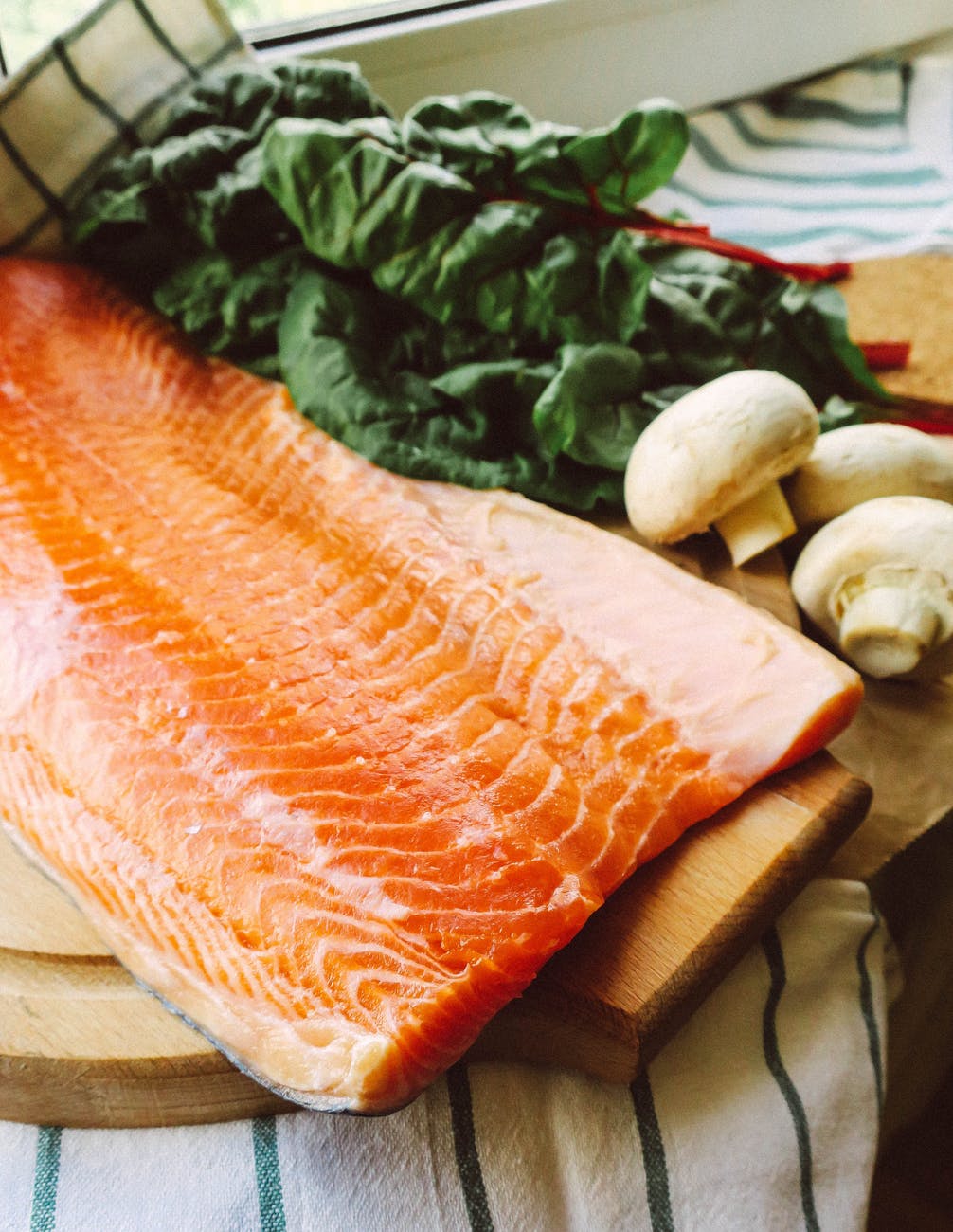
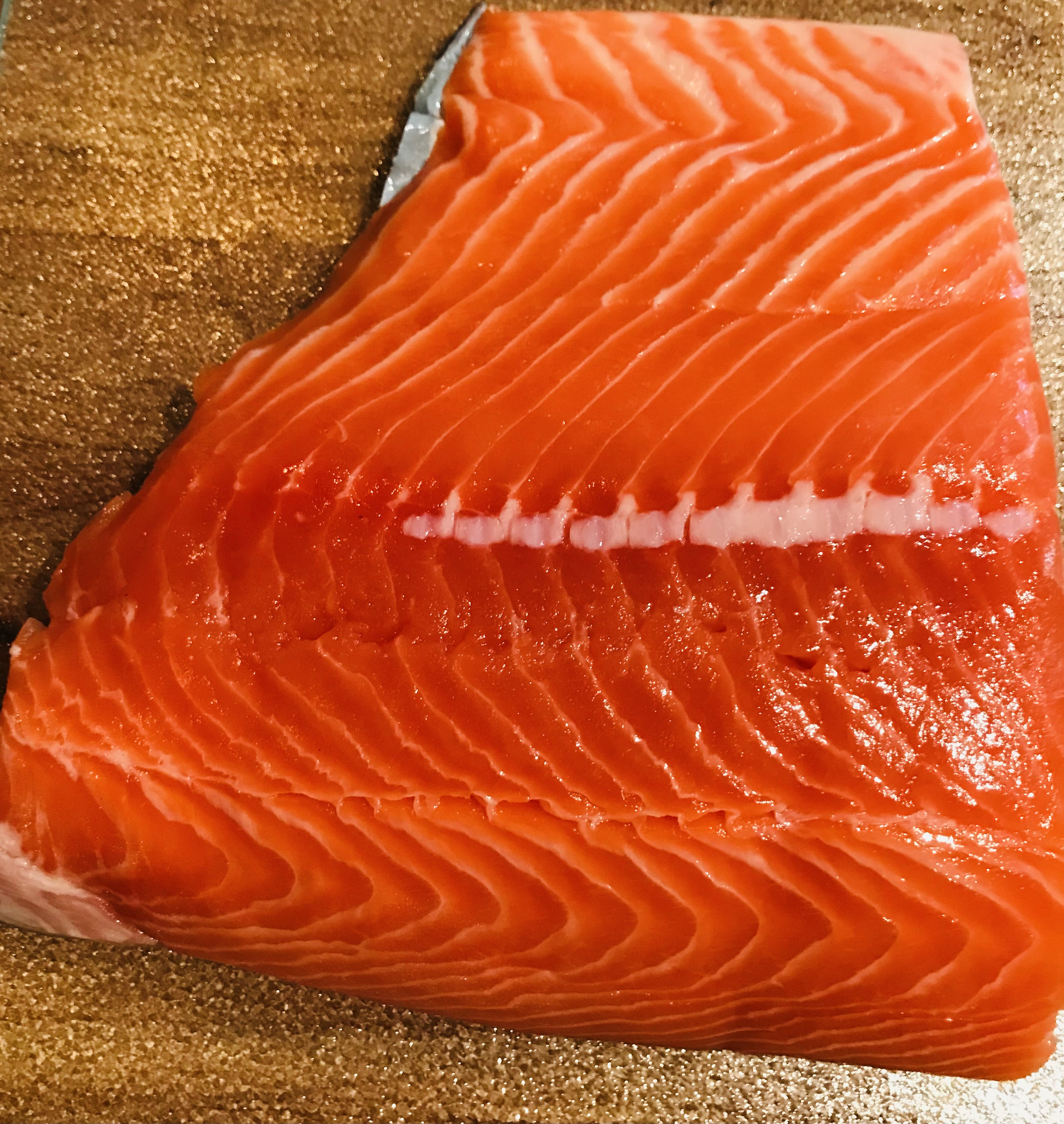
Omega-3 fatty acids are a group of essential fats that promote heart and brain health. Some of the best sources of omega-3s are fatty fish such as salmon, herring, and sardines. The MIND diet recommends at least one serving of fish each week. If you don’t love fish, omega-3s are also found in nuts and seeds such as flax, chia, walnuts, and soy.

Salmon is one of the best sources of omega-3s.
Photo by Malidate Van on Pexels.com

More plants

Plants contain more than vitamins and minerals, they’re also a source of fiber and phytochemicals. Eating more plants helps more than only your brain, it’s also associated with better heart health and weight maintenance. If you want more ideas and inspiration for plant-focused eating, I invite you to subscribe to my free weekly healthy recipe here.

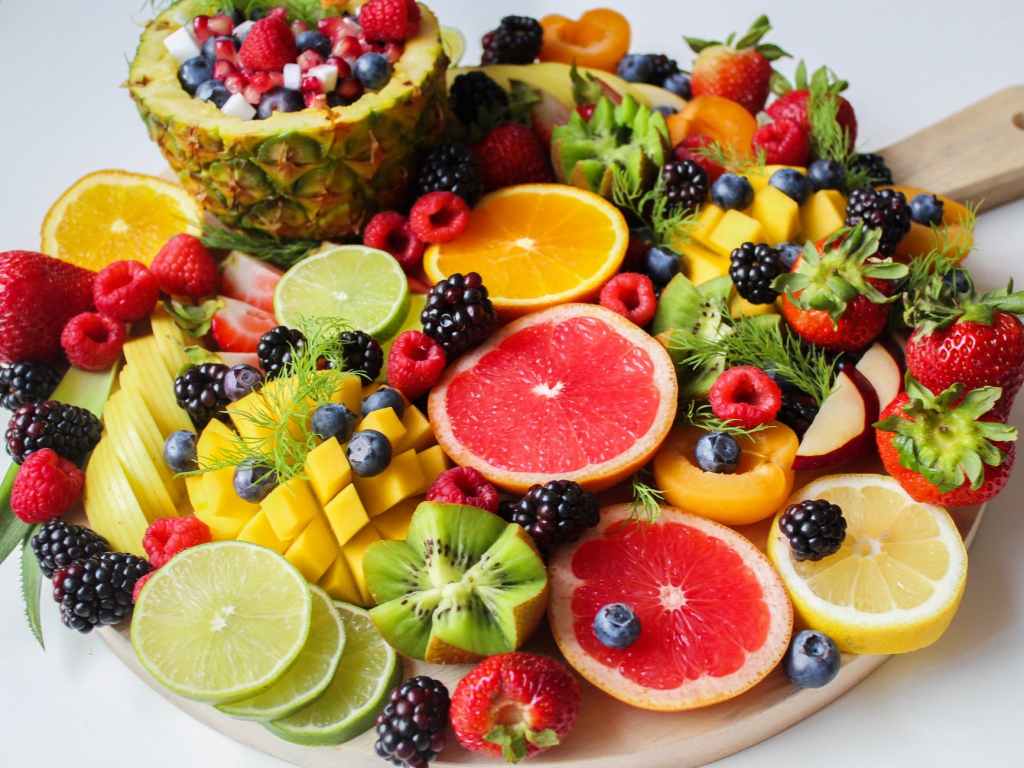
Some of the top plants for brain health are deeply-colored fruits and vegetables like berries, leafy greens, and broccoli. The MIND diet recommends vegetables every day, at least six servings of greens each week, and at least two servings of berries each week.

A salad of leafy greens and berries is excellent for brain health.
Photo by Alberta Studios on Pexels.com

Spices and chocolate

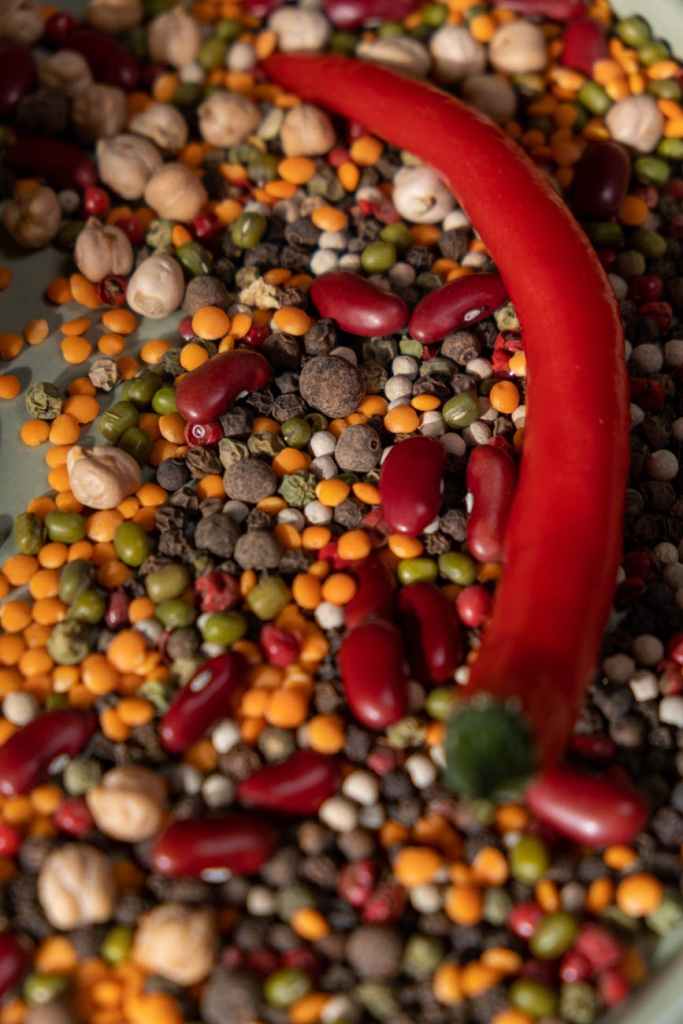
Spices and dark chocolate contain antioxidants called flavonoids. These compounds can help improve blood flow to the brain and reduce inflammation. These can be found in high amounts in turmeric, cinnamon, ginger, and dark and unsweetened chocolate.

Spices help to improve blood flow to the brain and reduce inflammation.
Photo by Marta Branco on Pexels.com

Coffee and teas

Did you know that coffee can help to improve your memory and ward off dementia? Up to three cups of black coffee per day is recommended. When it comes to teas, black and green teas contain antioxidants for brain health.

Moderate consumption of red wine

Resveratrol is a compound found in red wine and the skin of red grapes. It is also an antioxidant and is thought to be able to reduce cell damage and protect against the formation of plaques in the brain. Too much alcohol is not good for your brain either, so it’s important not to overdo it. Try to stick with no more than one glass of red wine per day if you’re a woman and no more than two glasses per day if you’re a man. You can also consume resveratrol from drinking red grape juice, which has the added benefit of being alcohol-free.

Whole grains

Whole grains like oats and quinoa are rich in brain-healthy B-vitamins and fiber, making them an important part of the MIND diet. B-vitamins are essential so that the brain can create energy, repair DNA, maintain the proper structure of neurons (nerve/brain cells), and create essential neurochemicals for optimal function. B-vitamins also act as antioxidants to reduce the harmful effects of free radicals that can damage all cells, including brain cells.

Vitamin D

Vitamin D is also known as the “sunshine” vitamin because your skin makes it when it’s exposed to the sun. Low levels of vitamin D are associated with increased risks for brain disorders such as Alzheimer’s. You can increase your vitamin D levels by going in the sun for 5-15 minutes three times a week. You may need slightly more time if you have darker skin or live in a more northern latitude. Try not to get too much sun without sunscreen as it can increase your risk for skin cancer. Vitamin D supplements are also widely available but be sure to purchase reputable brands that sell products with third party certifications. You can learn more about dietary supplements and shop professional-grade products here.

Limit red meat

Consuming too many foods high in saturated fats is linked with an increased risk for heart disease and Alzheimer’s disease. The MIND diet recommends no more than four servings of red meat per week. Try limiting your red meat, butter, and dairy whenever you can and consider substituting with beans, lentils, and soy.

Final thoughts

There are many things you can do to bolster your brain health. They include a number of healthy habits such as getting exercise, reducing stress, getting enough sleep, socializing with others including with pets, and following recommendations for medications and supplements. When it comes to food and nutrition for brain health, try to get enough omega-3s, more plant foods, spices and chocolate, coffee and tea, vitamin D, and a bit of red wine. Limit the amount of red meat you consume.

If you’re interested in learning more about how you can implement these six essential brain health strategies into your life, consult a health professional who can help. 


Reset Your Diet: 3 Easy Tips for Eating Healthier

Eat healthier is one of the top 3 New Year’s resolutions for 2023 in the U.S. according to Statista Global Consumer Survey. No surprise here! With the growing presence of plant-based milk products, gluten-free alternatives and meat substitutes in the supermarkets, you would like that healthy eating is a piece of cake (no pun intended). Not so! More choices often lead to confusion and inaction.

To kick off the new year, here are 3 easy tips for resetting your diet. These are basic elements of healthy eating that most people can benefit regardless of their specific dietary preferences or restrictions.

Boost Hydration

When the body needs water our brains send the signal of thirst – an essential survival mechanism that maintains fluid balance. Having a pre-filled water flask always on hand is one of the best habits we can practice to ensure proper hydration, but even with the super sleek containers available today, most people still do not achieve adequate water intake. This is important to note, as every process in the body requires water – not enough and you could face more than dehydration. Kidney stones, loss of cognitive function, constipation, and fatigue can all be related to poor fluid balance.

So how much water do you need? The Mayo Clinic recommends about 15.5 cups (3.7 liters) of fluids a day for men and about 11.5 cups (2.7 liters) of fluids a day for women. Building a habit of drinking more water in combination of drinking fun beverages will make hydration easier.

Try these delicious recipes

Cilantro-Lime Melon Cooler: honey dew + cilantro + matcha green tea + lime juice + cucumber

Ultimate Aqua Fresca: strawberry + mint + hibiscus tea + lime + sparkling water

Fuzzy Peach-Basil Chia Fresca: peach + basil + peach green tea + lemon + chia seed

Blackberry-Sage Cooler: blackberries + 1 sage leaf + berry green tea + sparkling water

Citrus Rosemary Refresher: nectarine + green tea + grapefruit + cucumber + few rosemary leaves with stem for garnish

Fiber Up

Most people consume less than half the amount of fiber they need for good health. It is recommended that we get 25-30 grams of fiber a day. Fiber is a type of carbohydrate that your body cannot digest and is important for digestive health and weight maintenance as well as lowering risk of diabetes, heart disease, and certain types of cancer.

There are two types of fiber: soluble and insoluble. They serve different functions in the body so we need them both.

Soluble fiber dissolves in water and acts like a sponge. When eaten it creates a small gel-like mass that helps lower blood glucose and cholesterol levels. It also works with your liver to escort excess hormones, like estrogen and testosterone, from the body. Good sources include: oats, oat bran, beans, lentils, chia seed, flax meal, nuts and seeds, barley, citrus fruits, apples, strawberries, blueberries, pears, and sweet potatoes.

Insoluble fiber does not dissolve in water and acts like a broom, facilitating movement of food through the digestive tract. It also contributes to bulking up stool which promotes regularity and reduces constipation. Good sources include: whole grains, vegetables like zucchini, cauliflower, broccoli, carrots, avocado, and leafy greens.

Fiber is only found in plants which is why consuming a plant-rich diet is so important. Include lots of vegetables, fruits, whole grains, seeds, nuts, and beans in your daily meals can help to boost your fiber intake.

Eat Whole Grains

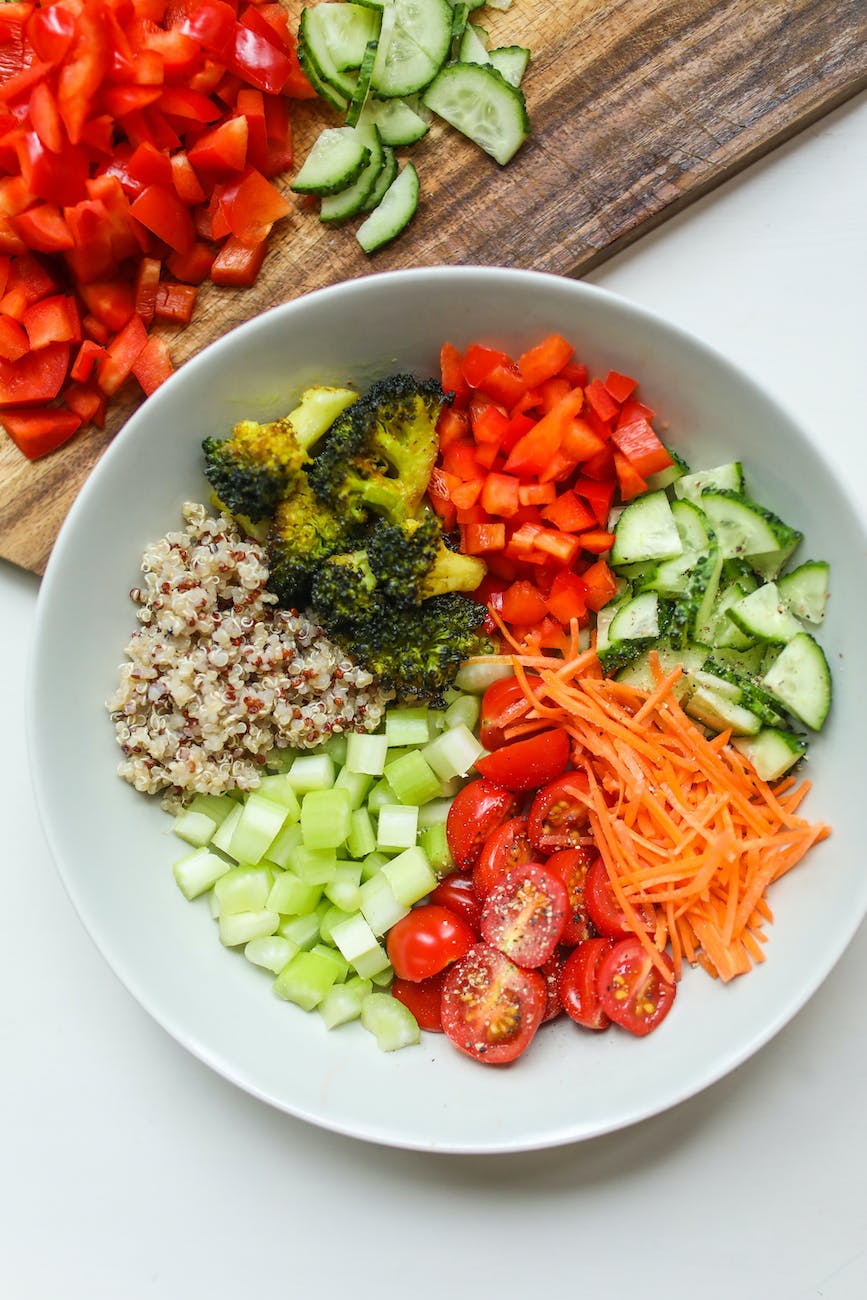
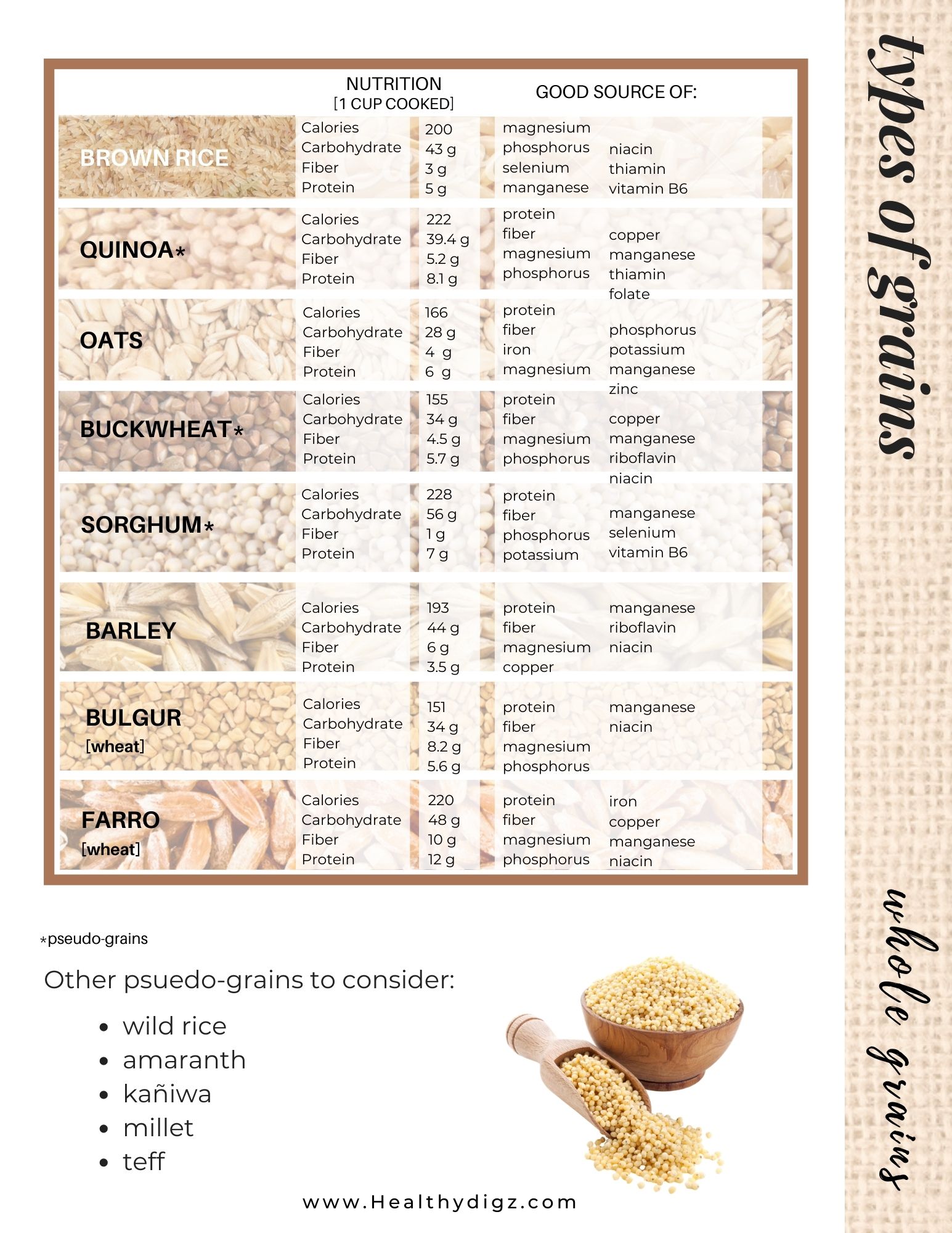
Whole grains are an excellent source of nutrients such as minerals, vitamins B and E, and fiber (see chart below). They are also rich in disease-fighting antioxidants and phytochemicals. Research suggests that whole grains contribute to reduced risk of cancers (particularly colorectal cancers), heart disease, stroke, diabetes, and obesity. 

When shopping for packaged grain foods such as bread and crackers, look at the list of ingredients first – the first word should be “whole”: whole oats, whole wheat flour, etc. If the word “whole” is used to identify the second ingredient, the product may contain as little as 1% whole grains. You can also look at the fiber content listed on the nutrition label in conjunction with the ingredients list to help you make an informed decision. Look for fiber content > 2 g per serving. 

Final Thoughts

There is no one diet that works for everyone but there are eating habits that are good for every body. As you reset your eating for a new you in 2023, start with a check on your liquid and food choices. Are you getting enough fluid and fiber everyday? Are you choosing whole grains over refined grains? Where can you improve and set goals to do so. Consistency will get you closer to a healthier you. Have a Happy and Healthy New Year!


How to Reduce Advanced Glycation End Products

Reducing advanced glycation end products (AGEs) in your diet can reduce the risk of chronic diseases and prevent premature aging!

What are AGEs?

You may have heard of AGEs before, but what exactly are they? AGEs, or advanced glycation end products, are a type of harmful compound that forms when proteins or fats combine with sugars in the bloodstream through a process called glycation. These compounds are known to increase inflammation and oxidative stress and can damage tissues, contributing to the development of various chronic diseases. 

Where are AGEs found?

AGEs, also known as glycotoxins, are form when high fat animal foods, such as meat is exposed to high heat. Cooking methods like grilling, frying, and roasting, as well as processed foods tend to be high in AGEs.

Although the body has a way of eliminating AGEs, excessive AGEs in our circulation can produce harmful effects. Exposure to AGEs has been linked to an increased risk of inflammation, oxidative stress, and cell damage. These effects can lead to the development of chronic diseases such as diabetes, cardiovascular disease, and Alzheimer’s disease.

How can you avoid AGEs?

The main source of AGEs is from our diet. While the formation of AGEs is part of normal metabolism, excessive amounts may be harmful. There are several ways you can reduce exposure to AGEs.

  1. Cook using moist methods, such as steaming, poaching or boiling, that don’t involve high dry heat
  2. Limit your consumption of processed foods
  3. Use shorter cooking times
  4. Cook food gently using lower temperatures
  5. Include acidic ingredients, such as lemon juice and vinegar which inhibit the formation of AGE
Photo by Andy Kuzma on Pexels.com

The standard American diet is often high in processed foods that have higher levels of AGEs, so it’s important to limit your intake of these foods. Some processed foods that are high in AGEs include:

  • Hot dogs
  • Bacon
  • Sausages
  • Chips
  • Pizza

Carbohydrate-rich foods such as vegetables, fruits, whole grains, and milk tend to be lower in AGEs, even after cooking.  Foods that are lower in AGEs include:

  • whole-grain bread and pasta
  • yogurt
  • beans and legumes
  • fruit
  • low-fat milk products

There is evidence that maintaining a healthy gut microbiome may also contribute to lower levels of circulating AGEs. This is because gut bacteria have the ability to degrade AGEs during the digestive process. Consuming a diet rich in probiotic foods such as fermented foods -kimchi, sauerkraut, yogurt, kefir – and taking a probiotic supplement can support a healthy gut microbiome. You can learn much more about gut-friendly foods in a previous post – How to Heal Your Leak Gut.

Lastly, consuming a diet rich in antioxidants and phytochemicals may also contribute to reducing cell damage caused by AGEs.

A Diet low in AGEs

Human studies suggest that a low-AGE diet reduces oxidative stress and inflammation. These studies revealed increased insulin sensitivity, which can help maintain weight loss over time, as well as reduced markers of inflammation.

So what does a low-AGE diet look like? Here are two sample menus with some of my favorite meal plan recipes that utilize ways to reduce AGE levels:

Menu 1

Breakfast: Orange Cardamom Overnight Oats

Lunch: Kale and Sweet Potato Salad with Walnuts

Snack: Yogurt with Blueberries

Dinner: Whole-grain Pasta with Beans, Garlic, and Arugula served with Simple Poached Salmon

Menu 2

Breakfast: Chocolate Fudge Smoothie with Hemp Seeds

Lunch: Quinoa Tabbouleh

Snack: Low-fat Cottage Cheese with Raspberries

Dinner: African Peanut Stew with Sweet Potatoes and Spinach

Final Thought

The current AGE research demonstrates that a significantly reduced intake of AGEs can be achieved by increasing the consumption of fish, legumes, low-fat milk products, vegetables, fruits, and whole grains and by reducing intake of solid fats, fatty meats, full-fat dairy products, and highly processed foods.

Reducing your exposure to AGEs is a good way to support your overall health, prevent premature aging and reduce your risk of chronic disease. Making simple changes to the way you cook and eat can help protect your health in the long term by reducing the risk of cardiovascular disease, cancer, diabetes, and Alzheimer’s disease. If you need a little inspiration for healthy cooking, click here for my free weekly recipe!


Improve Your Mood With Brain Food

Imagine if eating differently could elevate your moods or improve your brain and mental health. It can! Or if reducing stress can also reduce gut symptoms . It does!

The gut and brain are interconnected more than we previously thought—new research is proving it. These discoveries have huge potential to help people with gut issues by improving brain health. At the same time, improving gut health can help people with brain or mood issues.

Sounds interesting? Learn all about the gut-brain axis and how you can leverage this new research to improve your gut and brain.

Your gut is partially controlled by your brain

Gut disorders can cause pain, bloating, or other discomfort. They impact over 35 percent of people at some point in life—affecting women more than men. Many times, these gut issues don’t have an apparent or easily diagnosable physical cause, so they can be difficult to treat and find relief from.

We already knew that our brains control some of our digestive processes. For example, research has found that even thinking about eating can cause the stomach to release juices to get itself ready for food. Your gut is also sensitive to emotions. You may recall a time when you felt anxious and nauseous or felt “knots” or “butterflies” in your stomach. 

Several studies show that stress may be an important—often overlooked—reason for gut issues. According to Harvard Health, “Stress can trigger and worsen gastrointestinal pain and other symptoms, and vice versa.”

This is why it’s so important to look at your stress and emotions if you have gut issues. Many studies have found that stress reduction techniques can lead to greater improvement in gut symptoms compared to conventional medical treatment alone. 

Before I go over how to do this, let’s take a closer look at the biology behind the gut-brain axis.

Your nervous systems

There are two main parts of your “main” nervous system. One is the part that we can consciously control, like when we move our muscles to walk around, chew our food, or play with our kids. This is called the somatic nervous system.

The other part of our nervous system controls all of those things that we can’t control, but need to survive. These include processes that happen automatically in the background: breathing, heart beating, sweating, or shivering. This part of the nervous system is called the autonomic nervous system because it works automatically.

The autonomic system regulates our body’s functions by either speeding things up or slowing them down. When things are sped up, like when our “fight or flight” reactions kick in, this is done by the sympathetic part. We feel this happening when we sense danger – real or not – and get stressed. Our heart beats faster and we breathe heavier. We’re preparing to fight or flee, so our body focuses on ensuring our muscles get enough blood and oxygen to work hard.

Slowing things down, on the other hand, is done by the parasympathetic part. This happens when we’re relaxing or after the danger has passed and we start to calm down. It allows our heart, lungs, muscles and our digestive systems do their jobs much better. In this phase, we’re secreting more digestive juices to break down food, therefore absorbing more nutrients, as well as lowering levels of inflammation in our gut. That’s why this is called the “rest and digest” phase.

Both of these arms of the autonomic nervous system—the sympathetic and parasympathetic—interact with the gut. This means that when our body is stressed we can experience gut symptoms and when we’re relaxed our digestion does what it’s meant to do. 

Your gut is your “second brain”

In addition to your “main” nervous system, your gut has its own nervous system called the enteric nervous system. The enteric nervous system spans your whole digestive tract from your esophagus, along your stomach, intestines, and colon. This nervous system is sometimes referred to as the “second brain” because it works in the same way that the “main” one does. It has 100 million nerve cells (called neurons) that communicate with each other using biochemicals called neurotransmitters.

Your enteric nervous system gets input from both the sympathetic and parasympathetic nervous systems, so it can speed up or slow down when it has to. It also has a “mind” of its own and can function independently of them.

This complex system is important because of how complex our digestive processes are. For example, after we eat, the neurons in our enteric system tell the muscle cells of the stomach and intestines to contract to move food along to the next part. As our gut does this, our enteric nervous system uses neurotransmitters to communicate with the central nervous system.

Your enteric nervous system is also very closely linked to your immune system. This is because a lot of bacteria can enter the body through the mouth and end up in the gut. You have a large immune presence there to help fight them off before they become a larger problem and infect other parts of the body. The cells of the immune system provide another path for the gut to communicate up to the brain. They relay information like when they detect an infection or when your stomach is bloated, so your brain knows, too.

Even the friendly gut microbes (gut microbiota) that help us digest and make certain nutrients play a role in communicating with the brain. They make neurotransmitters, some of which are known to influence our moods.

The gut-brain axis

This intimate and complex connection between your gut and brain is called the gut-brain axis. And we now know that the signals go in both directions: from your brain down to your gut, and from your gut up to your brain.

This is where we see the link between digestive issues and brain, stress, and mood issues.

When someone is stressed enough that they get into the “fight or flight” reaction, digestion slows right down to allow the muscles to fight or flee. The same physical reaction appears whether the stress is from a real threat or a perceived one. This means that your body reacts the same whether you’re facing a real life-threatening situation or whether you’re super-stressed about a looming deadline. This disruption of the digestive process can cause pain, nausea, or other related issues.

Meanwhile, it’s known that experiencing strong or frequent digestive issues can increase your stress levels and moods. People with depression and anxiety have more GI symptoms, and vice versa.

How stress and emotions affect your gut

Because of these strong connections between the gut and brain, it’s easy to see how stress and other emotions can affect the gut. Things like fear, sadness, anger, or feeling anxious or depressed are often felt in the digestive systems. When they cause our digestive systems to speed up (or slow down) too much, this can influence pain and bloating. It can also allow bacteria to cross the lining of the gut and get into the bloodstream, activating our immune systems. It can increase inflammation in the gut or even change the microbiota.

This is why stress and strong emotions can contribute to or worsen a number of digestive issues such as Crohn’s disease, colitis, irritable bowel syndrome (IBS), gastroesophageal reflux disease (GERD), or food allergies or sensitivities.

Then, these gut issues are communicated to the brain, increasing the stress response and affecting our moods. This loop of stress and gut issues leads to a vicious cycle.

New research shows that changes to the gut’s inflammation or microbiome can strongly affect many other parts of the body as well—not just the brain and mood. They’re also associated with depression and heart disease.

How to eat and de-stress for better gut and brain health

What you eat can have a huge impact on your health. This is particularly true when it comes to the microbiome. Your gut health improves when you eat a higher-fiber, more plant-based diet. That’s because it provides your friendly gut microbes with their preferred foods so they can grow and thrive. Probiotic foods that include health promoting bacteria are also recommended. Reducing the amount of sugar and red meat you eat can also help. These can lead to a healthier microbiome by helping to maintain a diverse community of many species of microbes to maximize your health. They can also lower the level of gut inflammation, as well as reduce the risk of depression and heart disease.

Photo by ANTONI SHKRABA on Pexels.com

For better gut and brain/mental health:

Eat More: Eat Less:
Fruits and VegetablesSugar
Nuts and SeedsRed Meat
Whole grainsProcessed breads and cereals
Fermented foods
e.g. miso, sauerkraut, pickles, kimchi, yogurt
Artificial sweeteners

What about stress? Evidence suggests that some stress reduction techniques or psychotherapy may help people who experience gut issues. They can lower the sympathetic “fight or flight” response, enhance the parasympathetic “rest and digest” response, and even reduce inflammation. 

Photo by Valeria Ushakova on Pexels.com

Some of the stress-reduction techniques I love and recommend are:

  • Guided meditation
  • Deep breathing
  • Mindfulness
  • Relaxation
  • Hypnosis
  • Yoga

Your gut, brain, and mood will thank you!

Final thoughts

Our bodies are complex and interact with other parts on so many different levels. The gut-brain axis is a prime example. Research shows that what we eat not only improves the gut and overall health, but also brain and mental health. Not to mention that several stress-reduction techniques have been shown to reduce digestive illness and distress as well.

If you want a meal plan to help you eat—and enjoy—more of the foods that help your gut, brain, and moods. Use promo code HG50 to save 50% on my digital meal plans . You can customize your the meal plan with hundreds of our deliciously fresh recipes suitable for the whole family to enjoy.

If you have specific medical conditions requiring dietary changes, be sure to consult a registered dietitian who can provide personalized research-based nutrition advice for your health, lifestyle, and goals.


How to reduce inflammation with Diet and Lifestyle

Many diseases are linked to chronic inflammatory. “For chronic low-grade inflammation not caused by a defined illness, lifestyle changes are the mainstay of both prevention and treatment,” says Harvard Health. The good news is that anti-inflammatory foods combined with an active lifestyle can help you stay healthy and reduce your risk of many diseases. In fact, it’s estimated that 60 percent of chronic diseases could be prevented with a healthy diet.

Chronic inflammation is often invisible without immediate or serious symptoms, but over the long-term it’s been linked to many chronic diseases such as:

  • Acne, eczema, and psoriasis
  • Allergies and asthma
  • Autoimmune diseases (arthritis, type 1 diabetes, multiple sclerosis, lupus)
  • Cancer
  • Chronic pain
  • Gastrointestinal disorders (Crohn’s disease, ulcerative colitis)
  • Heart disease and stroke
  • Lung diseases (emphysema)
  • Mental illnesses (anxiety, depression)
  • Metabolic diseases (type 2 diabetes)
  • Neurodegenerative diseases (Alzheimer’s, Parkinson’s)

How does chronic inflammation begin? 

It may start acutely—from an infection or injury—and then instead of shutting off, it becomes persistent. Chronic low-grade inflammation can also occur with exposure to chemicals (e.g., tobacco) or radiation, consuming an unhealthy diet or too much alcohol, not being very physically active, feeling stressed or socially isolated, and having excess weight.

Now that we see that inflammation underlies so many of our medical conditions, here’s what to do to put out those slow-burning, smoldering fires.

How to reduce Inflammation

Studies show that reducing inflammation can reduce the risk of several chronic diseases, including heart disease and cancer. There are medications used to help lower inflammation to treat some of these diseases such as corticosteroids, immunosuppressants, and biologics. However, there are also several lifestyle changes—including a healthy diet—that can be very helpful to prevent and scale down inflammation to reduce its many damaging effects on the body. 

Eat an anti-inflammatory diet 

  • Increase your intake of fruits and vegetables, whole grains (brown rice, oats, bran), nuts (almonds), seeds, fish, poultry, legumes (beans, lentils), and healthy oils (olive oil)
  • Pay particular attention to foods high in antioxidant polyphenols, including colorful plants such as berries, cherries, plums, red grapes, avocados, onions, carrots, beets, turmeric, green tea, and dark green leafy vegetables like spinach and kale
  • Omega-3 fats can help to reduce pain and clear up inflammation and are found in salmon, trout, mackerel, soy, walnuts, and flax
  • High fiber foods (whole grains, vegetables, fruits, legumes) encourage friendly gut microbes to help reduce inflammation
  • Avoid charring foods when cooking at high temperatures
  • Limit inflammatory foods such as red and processed meats (lunch meats, hot dogs, hamburgers), fried foods (fries), unhealthy fats (shortening, lard), sugary foods and drinks (sodas, candy, sports drinks), refined carbohydrates (white bread, cookies, pie), and ultra-processed foods (microwaveable dinners, dehydrated soups)

If you need a little help incorporating all these principles into your daily diet, check out Healthydigz’s anti-inflammatory eating plan . You will find weekly menus, delicious recipes, and shopping lists for your customizable meal plan.

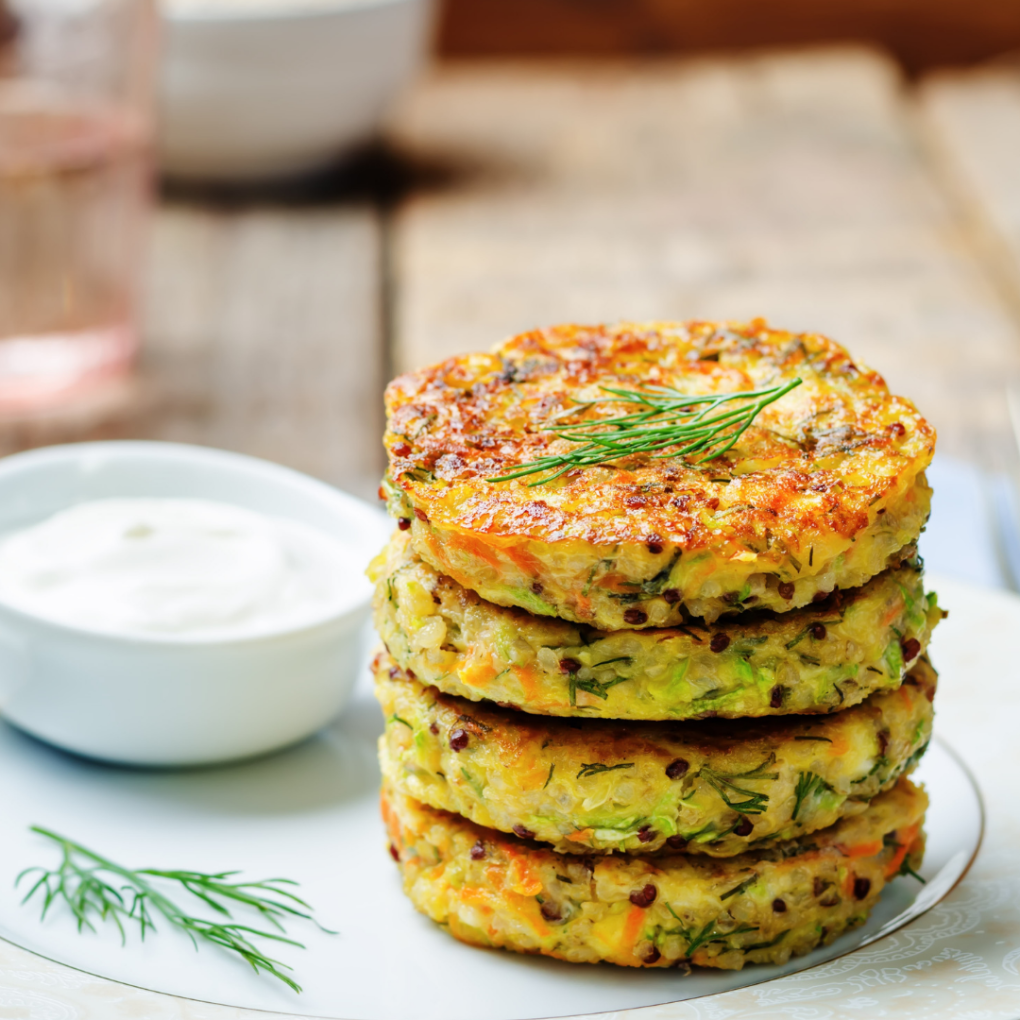
Chickpea Quinoa Fritters (plant-based)

Be physically active

  • Regular exercise reduces inflammation over the long-term, so try to get at least 150 minutes of moderate-intensity aerobic exercise (brisk walking) per week; about 20-30 minutes per day
  • To this add two or more strength training sessions (using weights or resistance bands) each week
A person training with resistance band.
Photo by Anna Shvets on Pexels.com

Get enough restful sleep

  • Disrupted sleep has recently been linked to increased inflammation and atherosclerosis (the buildup of plaque in the vessels that’s linked with heart disease), so aim for 7-9 hours of restful sleep every night to help the body heal and repair
  • Tips for better sleep: try to maintain a regular sleep-wake schedule every day, get exposure to natural daylight earlier in the day, avoid caffeine later in the day, cut out screens an hour before bedtime, and create a relaxing nighttime routine

Quit smoking and limit alcohol

  • Quitting smoking can help reduce inflammation and several other health concerns by reducing exposure to toxins that are directly linked to inflammation
  • Limit your alcohol intake to no more than one or two drinks per day

Manage your stress

  • Engage in relaxing stress-reducing activities such as mindfulness-based stress reduction (MBSR), deep breathing, meditation, yoga, or tai chi
Three women practicing yoga
Photo by Elina Fairytale on Pexels.com

Be social

  • New research suggests that feeling socially isolated is linked with higher levels of inflammation, so reach out to family and friends (or make new ones)

See your doctor or dentist

  • Get your cholesterol and blood lipids tested because high amounts of “bad” LDL cholesterol is linked to inflammation and negatively affects your vessels
  • You can request a blood test to measure levels of CRP (C-reactive protein) which is a marker of inflammation (this test is also used to check your risk of developing heart disease)
  • If your gums bleed when you brush or floss, this may be a sign of gum inflammation (gingivitis), so ramp up your oral hygiene and see your dentist

Final Thoughts

Chronic, long-term, low-level inflammation is linked with many health issues. The first approach to preventing and improving this is through food and lifestyle changes. Start by focusing on adding colorful fruits and vegetables, whole grains, nuts, seeds, and fish to your diet. Then layer in lifestyle upgrades like physical activity, restful sleep, and stress management.

These changes can be integrated into your day-to-day practices. First try adding one additional fruit or vegetable to your day. Then, several times a day at each snack or meal. For inspiration, try recipes from my Anti-inflammatory Meal Plan.

If you’d like a plan designed to help you enjoy more of these anti-inflammatory foods, consult a registered dietitian/nutritionist who can provide personalized research-based nutrition advice for your health, lifestyle, and goals.


How to Detox Naturally

Detoxification is an essential function in the body. Believe it or not, your body can detox naturally if you eat a nutritious diet! You wouldn’t know it with so many variations of commercial detoxes and cleanses and each one is advertised with many health claims and compelling testimonials. The question is: Do they really improve skin and digestion, boost the immune system, increase energy, reduce inflammation, or cure diseases? A lot of the time—even when they don’t explicitly say so—they’re code words for a calorie restricted weight loss diet. 

But, what effect can they really have on your health? How can you use nutrition to support your body’s detoxification naturally without spending money on expensive detox `supplements.

What is detoxification?

Detoxification is your body’s own process for breaking down and eliminating toxins. We are all exposed to toxins every day through food, water, and the air we breathe. Toxins include those naturally found in tiny quantities in foods (e.g., methanol naturally occurs in small amounts in some fruits and vegetables—which are very healthy). There are also synthetic toxins found in medicines, pesticides, and preservatives (e.g., sulfur dioxide is used to preserve some fruits and vegetables). 

In fact, the body makes its own toxins through normal everyday processes like digestion, metabolism, and physical activity (e.g., urea which is excreted in the urine). 

The good news is that your body does a great job breaking down toxins and eliminating them.

Because the world is full of toxins that can affect us, we’ve evolved some pretty sophisticated detoxification systems. Detoxification systems are mainly in the liver, but are also located in the kidneys, gut, etc. They help to make toxins less dangerous and allow them to be excreted mostly through urine and stool and also through breathing and sweating.

What does this have to do with nutrition?

These detoxification systems are made from many biochemicals in our bodies, such as enzymes. Part of what makes enzymes work are key essential nutrients like vitamins and minerals. So, getting quality nutrition helps your body maintain all aspects of your health—including detoxification.

What are “detox diets” and “cleanses”?

Search the internet and you’ll find thousands of website pages and posts on these topics. There are so many different types of detox diets and cleanses being advertised. Many make bold promises of weight loss and improved health. 

Detox diets and cleanses often include at least one of the following:

  • Eating more nutritious foods
  • Reducing [junk/processed/fast] foods
  • Avoiding alcohol and/or caffeine
  • Eliminating some common allergens (e.g., wheat or dairy)
  • Replacing meals with smoothies, juices, teas, or powders
  • Short or long-term fasting
  • Only eating/drinking a handful of recommended foods/beverages
  • Taking several dietary supplements and/or laxatives
  • Getting “colon cleanses” (enemas)

Some of these recommendations seem reasonable and healthy. It’s hard to argue that eating more nutritious foods or reducing processed foods isn’t a good step towards better health. However, some of the more extreme recommendations can pose a risk to people including those with underlying health conditions, children, adolescents, athletes, older adults, or those who are pregnant or breastfeeding. As you can imagine, the more foods you eliminate from your diet, the fewer nutrients you will get. So, one of the risks of extreme diets in the long-term are nutrient deficiencies. As we discussed, it’s counterintuitive to cut out too many foods because there are critical nutrients scientifically proven to be necessary for your body’s natural detoxification enzymes to work efficiently. Nutrition is key!

Another risk with certain detox supplements or teas are serious side effects. You may have heard about cases of unsafe ingredients or contamination that have harmed people.

Overall, there is a lack of good quality research into detox diets and cleanses, as most studies have been conducted on animals, not people. As Dr. Robert H. Schmerling from Harvard Health says, “It’s not even clear what toxin or toxins a cleanse is supposed to remove, or whether this actually happens.”

There’s no evidence that detoxes or cleanses actually help your body eliminate more toxins than it normally does. A few studies show that they can help with initial weight loss, however experts believe that’s due to a reduction in calorie intake. The weight lost is often water and carbohydrate (not fat), so it’s easily regained as soon as the dieting stops. There are no studies of the long-term effects of detox diets or cleanses.

Some people claim to feel better and more energized when they’re on these diets. This may be because they’re eating more nutritious foods and fewer processed foods that are high in salt, sugar, and unhealthy fats.

Having said this, there may be medical conditions for which eliminating certain foods is recommended. For example, if you have a food allergy or intolerance or if you need to be on a low-fiber diet due to digestive issues you have a valid reason for eliminating certain foods. Before jumping into a detox diet or cleanse, it’s best to speak with your healthcare provider first.

Nutrition plays a vital role in your body’s ability to naturally detoxify and eliminate toxins. And you don’t need to follow an overly restrictive or extreme detox diet or cleanse to support them.

How to use nutrition to support your body’s natural detoxification

You probably don’t need to eliminate a long list of foods from your diet. In fact, getting enough of your daily nutrients is what can help ensure your detoxification enzymes have what they need to keep up their ongoing very important work. 

Here are a few simple things you can do every day to “detox” yourself:

  • Don’t unnecessarily expose yourself to toxins in the first place. Avoid things like caffeine, sugar, tobacco and alcohol.
  • Stay hydrated by drinking enough water – this promotes excretion via urine. Use a reverse osmosis water filtration system at home if it fits into your budget.
  • Eat at least five servings of fruits and vegetables – choose organic if possible. These are great sources of vitamins, minerals, antioxidants, and dietary fiber.
  • Include a cruciferous vegetable like broccoli or Brussels sprouts. These contain compounds that help support detoxification pathways.
  • Get enough dietary fiber by eating fruits and vegetables, whole grains, beans, legumes, nuts, and seeds. By promoting bowel regularity, these help to eliminate toxins from the body via your poop.
  • Transition to a more plant-based diet will swing your diet towards more high fiber and nutrient-dense foods.
  • Enjoy some naturally fermented foods like yogurt, kefir, kimchi, and sauerkraut. These promote digestive health and support your gut microbiome.
  • Consume lean protein. Protein is needed for many things including maintaining optimal levels of a “master” detoxification enzyme called glutathione.
  • Consult with a registered dietitian to see if you may be lacking in any key nutrients. Follow recommendations to eat more or less of a certain food or nutrient or take high-quality supplements if necessary.

Final thought

Nutrition is a key aspect of detoxification. Your body’s own natural detoxification pathways in the liver, kidneys, etc. include many enzymes that require vitamins and minerals to function optimally. By getting enough of your essential vitamins and minerals, you’re supplying your detox enzymes what they need to work.

Detoxification diets or cleanses that you see advertised online tend to overpromise. They often oversell their abilities to improve health. There are almost no quality human studies showing benefits and there are no long-term studies. I recommend speaking with your healthcare professional before embarking on a detox diet or cleanse. If you are looking to lose weight, consider a nutritious and varied diet with plenty of fruits and vegetables, reduced portion sizes, and be active every day.

If you have questions about diets, nutrition, detoxification, or weight loss consult a registered dietitian who can provide personalized research-based nutrition advice for your health, lifestyle, and goals.


How does intermittent fasting work

You may have tried many different diets that claim to help with weight loss and disease prevention: low-fat, low-carb, ketogenic, paleo, whole 30, vegetarian, vegan, DASH, Mediterranean, MIND, etc. Yet, still not getting the results you want. Let’s explore one of the latest trends: intermittent fasting, and see how it works and if it works.

You may be used to eating three meals every day, plus snacks. That’s pretty common. With intermittent fasting you can essentially eat how much of whatever you want—but here’s the catch: you have to stay on schedule. With intermittent fasting there are scheduled periods of time when you can eat and others when you have to fast. Unlike most other diets, intermittent fasting tells you when to eat, not what to eat.

And, many people say that it can help lead you to better health and a longer life.

Sound interesting? Let’s dive into some of the pros and cons of intermittent fasting and see if it works for you.

How to intermittently fast

Most of the diets that help achieve weight loss work by reducing the number of calories consumed. Intermittent fasting does the same thing, but in a different way. This way of eating significantly limits calories (requiring fasting) for certain durations of time (intermittently), while allowing little or no restrictions the rest of the time. 

Intermittent fasting essentially means skipping meals on a regular basis, sometimes daily, weekly, or monthly. Here are a few different approaches:

  • Time-restricted feeding—Having all of your meals during an 8 to 12 hour window each day, drinking only water the rest of the day.
  • Alternate day fasting—Eating normally one day but only a minimal amount of calories the next; alternating between “feast” days and “fast” days.
  • 5:2 eating pattern—Consuming meals regularly for five days per week, then restricting to no more than 600 calories per day for the other two. This happens by eating very little and drinking only water on those two fasting days. 
  • Periodic fasting—Caloric intake is restricted for several consecutive days and unrestricted on all other days. For example, fasting for five straight days per month.

Benefits of intermittent fasting

Studies show that intermittent fasting can achieve weight loss. The success is similar to other diets. Yes, similar—not necessarily better. 

Overall, research on the effect of intermittent fasting on people’s health is still emerging as to whether it can also prevent disease or slow down aging, in addition to weight loss.

Most of the research on calorie restriction and intermittent fasting have been conducted in cells (e.g., yeasts), rodents, and even monkeys. Some, but not all of these studies show it may help to build exercise endurance, immune function, and live longer. It also seems to help resist some diseases like diabetes, heart disease, certain cancers, and Alzheimer’s. 

When it comes to clinical studies (those done in people) on intermittent fasting, most have been pretty short—a few months or less. But, what we know so far is that it may help with markers of inflammation (C-reactive protein), diabetes (blood glucose levels and insulin sensitivity), and help to reduce high blood pressure and cholesterol.

When it comes to weight loss, intermittently fasting seems to work just as well—not better—than other diets. Researchers think that eating this way decreases appetite for some people by slowing down the body’s metabolism. With a smaller appetite, you simply eat less and that is going to help you lose weight. Other people who intermittently fast struggle with and are much more uncomfortable during the fasting days, and some animal studies show that when they were allowed to eat as much as they wanted, many overate.

What about extending the lifespan of humans? Those studies haven’t been done yet, so we simply don’t know the effects of intermittent fasting on our lifespan.

How intermittent fasting affects health

Naturally, our bodies have survival mechanisms allowing us to adjust to periods of fasting. This has been necessary, as throughout history, humans have endured many periods where food was scarce. 

What happens when we don’t take in sufficient calories is that our body starts using up stored carbohydrates called glycogen. The liver stores enough glycogen to last about 12 to 16 hours before it runs out of fuel. Beyond 16 hours, the body switches fuels and begins to use fat as an energy source.

At this time, our metabolism shifts from a carbohydrate-burning state to a fat-burning state. Some of the fat is used directly as fuel, while some is metabolized into biochemicals called ketones. This new fat-burning metabolic state is called ketosis. The state of ketosis brings on other changes throughout the body. It’s these changes that are thought to underlie some of the health benefits seen with intermittent fasting.

Ketones are a more efficient source of energy for our bodies than glucose is and so they can help keep many of our cells working well even during periods of fasting. This is particularly true for brain cells and this may be part of the reason some animal studies show protection against age-related declines like Alzheimer’s.

Ketones may also help to ward off some cancers and inflammatory diseases like arthritis. They are also thought to reduce the amount of insulin in the blood which may help protect against type 2 diabetes. On the other hand, too many ketones may be harmful, so more research is needed to better understand the links between fasting, ketones, and health.

On a molecular level, intermittent fasting may extend lifespan in animals because of its effect on the DNA in our genes. Over time as we age, the way our genes are switched on and off changes. It appears that, in animals, restricting calories may slow down these age-related changes and help them to live a bit longer.

More research is underway to better understand the effect of fasting on these biological processes.

Before you start intermittently fasting

As with all major dietary changes, be sure to discuss it with your healthcare professional. 

Before considering intermittent fasting, know that there are certain conditions that can make it dangerous. For example, if you have diabetes you need to eat regularly to maintain your blood sugar levels, so fasting is not recommended. Also, if you’re taking certain medications like diuretics for high blood pressure or heart disease, intermittent fasting increases your risk for electrolyte abnormalities.

Intermittent fasting is also not recommended for anyone who is under 18, has a history of eating disorders or anyone who may be pregnant or breastfeeding.

Of course whenever you change your diet you may experience side effects. Some side effects of people who restrict their calories or start intermittently fasting include fatigue, weakness, headache, reductions in sexual interest, and a reduced ability to maintain body temperature in cold environments.

Beyond the health risks and side effects, fasting is simply hard to do voluntarily—especially when it’s for two or more days. Some people may have a natural tendency to indulge too much on their “feast” days which can negate some of the benefits of fasting.

According to the National Institutes of Health, “More research will be needed to determine the long-term impact of the diet on human health and provide information on when and how such a diet might be applied.”

Nutrition tips for intermittent fasting

Intermittent fasting can be hard. One thing that can help is having a social support network—especially for those days when you’re fasting.

Although the premise of intermittent fasting is to restrict when you eat, not what you eat, the quality of your food choices is still very important. Regardless of your eating style and preferences, you still need all of your essential nutrients. Intermittent fasting is not a good reason to eat a lot of the high-calorie nutrient-poor foods we all sometimes crave. I recommend eating adequate amounts of lean proteins, healthy fats, fruits, vegetables, legumes, and whole grains. Also, avoid too many sugars and refined grains. Follow a Meal plan with nutritious foods of appropriate amounts will definitely maximize your chance of success with any intermittent fasting approach you choose.

Final Consideration

The main reason for any dietary change is to have a sustainable and healthy lifestyle that helps you meet your health goals. Whether you’re looking to lose weight or prevent disease, intermittent fasting is one eating style that may work for you. The most important thing with any diet is to get all of your essential nutrients, appropriate amounts of food, and enjoy your lifestyle in the long run.

Any diet or eating pattern that helps some people may not have the same effect on everyone. That’s why it’s important to not make any significant dietary changes without consulting your healthcare professional or a registered dietitian. 


Chickpea Quinoa Fritters (plant-based)

Plant-based Diet helps to reduce inflammation

Sugar, trans-fats, and alcohol are known to contribute to many diseases. But did you know that red meat, especially processed meat, and dairy foods may be pro-inflammatory and can lead to chronic inflammation? Before we get into how a plant-based diet can help, let’s have a look at how inflammation happens in our body.

Acute Inflammation

Can you remember the last time you cut yourself, were stung by a bee, or injured a joint? Your body reacted in a way to heal itself – to return the injured tissue to a normal state. The reaction that caused the uncomfortable pain, redness, and swelling is the result of a protective response known as inflammation. Inflammation is necessary and is not bad, but it has its place – as in the cases cited above when there is an acute injury. The benefit of an inflammatory reaction can be life-saving, so suppressing inflammation completely is not possible. When inflammation becomes chronic, however, extinguishing some of the fire can have big health benefits.

Chronic Inflammation

Chronic inflammation is harder to identify than acute and is a state of prolonged inflammation. The same cells that help with acute injury healing actually do damage if they hang around too long when the inflammatory switch gets stuck in the “on” position. While chronic inflammation is not known to be the primary cause any one disease, it is now widely accepted that it plays a role in diseases such as cardiovascular disease, diabetes, cancer, autoimmune diseases, metabolic disorders, such as overweight and obesity, as well as neurological diseases. Causes of chronic inflammation may include persistent infection, food sensitivities, leaky gut, poor diet, poor sleep hygiene, environment, and exercise without proper recovery. Also, visceral fat, which is the fat tissue stored close to organs in the mid-section, can be a driver of chronic inflammation as it is dynamic and produces a variety of pro-inflammatory hormones.

Anti-Inflammatory Diet

The easiest, low-risk approach to addressing chronic inflammation is with diet. An anti-inflammatory diet is described in research as one that is appropriate in calories, low in processed carbohydrates, high in fiber, high in mono and polyunsaturated fats, higher in omega 3 than omega 6, and high in antioxidants. Translation: High in whole, plant foods with a focus on healthy fats and moderate animal protein intake –at least 75% plant foods and no more than 25% animal proteins.

This type of 75/25 dietary ratio hits all the anti-inflammatory buttons as whole plant foods are almost always less calorie-dense than processed foods, they are high in fiber, and contain a wide variety of disease-fighting antioxidants. Certain plant foods such as chia seed, avocados, walnuts, and olive oil are rich in healthy fats. The other 25% of your plate? High-quality animal proteins. Salmon, sardines, and mackerel are animal proteins of note as they are also excellent sources of omega-3 fats, which are anti-inflammatory.

Transitioning to a Plant-based Diet

By reducing intake of processed foods and replacing them with colorful, whole plant foods you are well on your way to reaping the benefits of an anti-inflammatory diet and reducing risk of many chronic diseases. Curious as how to transition to a plant-based diet with success? I have created an e-book that shows you how to plan, shop, and cook plant foods, including an extensive pantry list to stock up on essential ingredients. This FREE e-book is a great resource to get you started on plant-based eating.


10 Foods To Eat in 2021 To Boost Your Immunity

We all know hindsight is 20/20! Well, Year 2020 has sure shown us that our health can be tenuous if we are not resilient. Individuals who are medically comprised and the elderly have been most vulnerable during the pandemic due to their weaken immune system.

Besides the obvious precautions of social distancing, wearing a mask, and diligent hand washing, what protects us most against COVID-19 is our body’s natural immune system. It is undeniable that our diet can influence our immunity significantly.

As we head into 2021, if you are going to set one new year’s resolution, let it be….. building a stronger immune system. Here are 10 foods that will boost your immunity:

1. Elderberries

The berries and flowers of elderberries, from the plant species Sambucus nigra, are loaded with immune-boosting antioxidants and vitamins. Elderberry, a strong anti-viral, is particularly effective at fighting upper respiratory infections. Fresh elderberries are not commonly sold in the grocery store but you can find elderberry tea and syrup at health food stores and online. There are other delicious uses for elderberries if you are willing to spending a little time in the kitchen.

2. Chocolate

Chocolate comes in many varieties but it is the dark chocolate that offers health benefits. Dark chocolate contains much higher levels of flavonoids, antioxidants that protect our cells from damage and inflammation.The darker the chocolate, the more antioxidants and less sugar. I suggest 70% cocoa or more but chocolate with much higher cocoa may taste too bitter for some. Dark chocolate bars make a good snack, as long as you keep moderation in mind.

3. Garlic

Garlic is widely used in many cuisines and it adds great flavor to food. Few of us think of its health benefits when we are savoring our garlic noodles but its immune-boosting properties come from a high concentration of sulfur-containing compounds, such as allicin. These compounds have been found to significantly reduce inflammation and protect against certain bacteria, such as Helicobacter pylori.

4. Ginger

Ginger has been used for thousands of years in the Far East for its medicinal properties. A pungent spice for both savory and sweet dishes, ginger has potent anti-inflammatory and anti-oxidant effects that are beneficial to a healthy immune system. Research has shown that ginger may inhibit certain inflammatory conditions such as arthritis, and other immune-related conditions, including allergies, asthma, and colds.

5. Turmeric

This golden yellow spice is a key ingredient in curry dishes and has been used for centuries in Ayurvedic medicine to treat a variety of inflammatory conditions, such as allergies, diabetes, and ulcers. Studies have shown that curcumin, the active compound in turmeric, may boost the immune system by activating certain immune cells and targeting proinflammatory cytokines. Cooking with turmeric is not complicated but do add some black pepper to enhance the absorption of curcumin.

6. Matcha Green Tea

Matcha is a fine bright-green powder produced by grounding young green tea leaves. Because of entire leave is used rather than steeping green tea leaves in water, Matcha can be as much as 3 times more concentrated in caffeine and flavonoids than green tea. These antioxidants support the immune system by protecting our cells against free radicals and oxidative damage. Matcha has an earthy, almost sweet, vegetal flavor. You just add boiling water to Matcha powder and stir. Beware of the added sugar when ordering Matcha in a cafe – an average cup at Starbucks has 30 grams of sugar!

Photo by Anna Tukhfatullina Food Photographer/Stylist on Pexels.com

7. Nuts

Nuts are among the best sources of vitamin E, a fat soluble antioxidant involved in immune function. Vitamin E has the ability to regulate the body’s immune system by stimulating the activity of natural killer cells, white blood cells involved in the innate immune response. The vitamin may reduce the risk of certain infections, including respiratory infections. In addition, vitamin E deficiency may result in an impaired immune response. Make sure your diet is adequate in vitamin E in by eating nuts, including almonds and hazelnuts, and other vitamin E-rich foods regularly.

8. Cruciferous vegetables

Cruciferous vegetables – kale, cabbage, collards, broccoli, Brussels sprouts, cauliflower, and mustard greens – provide sulfur-containing compounds, as well as vitamins, minerals, fiber, and phytonutrients. Research suggests that cruciferous vegetables may support immune health by reducing the risk of certain cancers, such as gastric and prostate cancers, as well as by exerting anti-microbial activity, which may protect against gastrointestinal infections.

9. Fatty Fish

Fatty fish is rich in omega-3 fatty acids, specially omega-3s, eicosapentaenoic acid (EPA) and docosahexaenoic acid (DHA). EPA and DHA have anti-inflammatory properties such as reducing the levels of pro-inflammatory omega-6 fatty acids involved in heart disease and arthritis. Best sources of omega-3s are wild salmon, sardines, herring, and anchovies.

Wild Salmon

10. Fennel

Aside from its many culinary uses, fennel and its seeds offer many immune-boosting properties. Research has shown that fennel has anti-microbial and anti-viral activity, and has the potential to protect against infections and various gastrointestinal conditions. Both the fennel and its seeds are low in calories but high in fiber, vitamins, and minerals including calcium, potassium, and phosphorus. To reap the health benefits of fennel, try incorporating raw fennel bulb into your salads or using the seeds to flavor soups, broths, baked goods, and fish dishes.

Take Action

Our body’s incredible immune system is designed to protect us from harmful threats in our surrounding. Although It will flight foreign invaders with specific inflammatory responses, what makes people sick is a combination of environmental exposure and their level of resilience. Why not eat delicious healthy foods to show some support for your disease-fighting cells!