Feeding Your Brain with Food and Beyond!

Feeding your brain is essential for every function we perform. Your brain is sometimes referred to as the “control center” of your body. Beyond helping you to think and remember clearly, your brain helps to regulate the rest of your body, like your breathing, temperature, hunger, and hormones. It’s important to keep your brain as healthy as possible for as long as possible to stave off chronic—often incurable—diseases like Alzheimer’s, and science shows us how to do this.

Your brain’s health is influenced by six fundamental pillars:

  • Exercise
  • Stress reduction
  • Sleep and relaxation
  • Socialization
  • Medications and supplements
  • Food and nutrition

In this article, we’ll go through each one of these pillars of brain health before diving deeper into specific and actionable strategies surrounding food and nutrition.

Exercise for brain health

Exercise is incredibly beneficial for physical and mental fitness, to de-stress, improve sleep, as well as keep your heart, lungs, and muscles healthy. What’s more, being physically active is a fundamental pillar of brain health. There are several types of exercise and all are beneficial.

Aerobic exercise, also known as “cardio” or “endurance” exercise, helps to get your heart rate up and your muscles warm. Examples of aerobic exercises include biking, swimming, running, and climbing stairs. This type of exercise benefits your brain because it helps to preserve existing brain cells and also promotes the growth of new ones.

Another type of exercise is strength or “resistance” training such as pushing or pulling weights or other heavy objects (like groceries). This is known to help build and maintain strong bones. Strength training also helps your brain by enhancing your concentration and improving your decision-making skills.

Stress reduction for brain health

We all experience stress. Stress is how the body and brain react to a threat or stressor. These reactions are often called “fight or flight.” They include increased heart rate and breathing and a heightened sense of focus. All of these physiological reactions are initiated by the brain when it detects the threat.

Once the threat is gone, the stress response relaxes and your body and brain can regain their normal balance. However, sometimes that stress lingers on for days, weeks, and months and becomes longterm stress. It’s this chronic stress that can negatively impact your brain. Chronic stress can effectively shrink the part of your brain responsible for memory and learning in your prefrontal cortex and can increase the part of your brain, the amygdala, that is receptive to stress.

While stress cannot be eliminated entirely you can learn effective techniques to better manage it and preserve your brain health. One very practical—but often difficult—strategy is to “just say no” to things you don’t actually have to do. Turning down unnecessary opportunities to take on more responsibility may help reduce the amount of stress you feel. 

Another strategy to reduce stress is to focus on the specific problem at hand in the present moment. This can help you see the current situation more clearly and make better decisions, to avoid turning it into an unmanageably large issue or perceiving the situation to be more difficult than it has to be.

A woman meditating to reduce stress.
Photo by Marcus Aurelius on Pexels.com

Finally, calming the mind through meditation or guided imagery can help reduce the feelings of stress by refocusing your attention on something positive and soothing.

Sleep for brain health

Getting your 7-9 hours of sleep each night helps your mood and ability to manage stress. Sleep also allows you to be better able to plan and run your busy life and ensure that you can have the energy to do what you need to do to maintain and improve your well-being .

One of the most important things you can do to get enough sleep is to foster a regular sleep schedule. By going to bed and waking up at about the same time every day—including weekends and when you’re traveling—you “train” your body and brain to get on a healthy sleep schedule.

Another strategy to help you get more sleep is to create a relaxing bedtime routine. That routine can start an hour or more before you need to sleep and can include things like dimming lights, putting your screens ( such as TV, internet, or smart phone) away, listening to soothing music or reading a book, or having a warm relaxing bath.

Whatever helps you get your sleep is going to also help your brain.

Socialization

Staying connected to a network of people you care about can help reduce stress, improve mood, and help to feel more supported in life. Your social network can include your spouse and/or partner, immediate and extended family members, friends, or others in your community.

You can socialize informally or spontaneously (like walking or chatting with a neighbor) or you can join organized activities like hobby groups, sports teams, or volunteering opportunities. The brain benefits of socializing even extend beyond people to pets. Studies show that pets can help you feel calm, improve your health, and enhance your social life, all of which can benefit your brain.

Medications and supplements

Depending on your personal health situation, you may be advised to take medications or supplements. These can be important to reducing your risks for serious conditions and slowing down the progression of diseases. Some of the medical conditions that are linked to deteriorating brain health include high blood pressure, diabetes, and excess weight. These can increase your risks of cognitive decline (reduced memory and ability to think) and developing dementia.

If your doctor is recommending medications or your registered dietitian is recommending supplements, be sure to take them as directed and go for routine monitoring or testing as required.

Food and nutrition to feed your brain

There are several foods and nutrients that promote a healthy brain by slowing cognitive decline and reducing your risk of Alzheimer’s disease. University researchers developed the MIND diet to emphasize foods that are rich in antioxidants and critical brain nutrients such as vitamins and other plant-based phytochemicals. 

Here are some key foods and nutrients to boost your brain health.

Omega-3 fatty acids

Omega-3 fatty acids are a group of essential fats that promote heart and brain health. Some of the best sources of omega-3s are fatty fish such as salmon, herring, and sardines. The MIND diet recommends at least one serving of fish each week. If you don’t love fish, omega-3s are also found in nuts and seeds such as flax, chia, walnuts, and soy.

Salmon is one of the best sources of omega-3s.
Photo by Malidate Van on Pexels.com

More plants

Plants contain more than vitamins and minerals, they’re also a source of fiber and phytochemicals. Eating more plants helps more than only your brain, it’s also associated with better heart health and weight maintenance. If you want more ideas and inspiration for plant-focused eating, I invite you to subscribe to my free weekly healthy recipe here.

Some of the top plants for brain health are deeply-colored fruits and vegetables like berries, leafy greens, and broccoli. The MIND diet recommends vegetables every day, at least six servings of greens each week, and at least two servings of berries each week.

A salad of leafy greens and berries is excellent for brain health.
Photo by Alberta Studios on Pexels.com

Spices and chocolate

Spices and dark chocolate contain antioxidants called flavonoids. These compounds can help improve blood flow to the brain and reduce inflammation. These can be found in high amounts in turmeric, cinnamon, ginger, and dark and unsweetened chocolate.

Spices help to improve blood flow to the brain and reduce inflammation.
Photo by Marta Branco on Pexels.com

Coffee and teas

Did you know that coffee can help to improve your memory and ward off dementia? Up to three cups of black coffee per day is recommended. When it comes to teas, black and green teas contain antioxidants for brain health.

Moderate consumption of red wine

Resveratrol is a compound found in red wine and the skin of red grapes. It is also an antioxidant and is thought to be able to reduce cell damage and protect against the formation of plaques in the brain. Too much alcohol is not good for your brain either, so it’s important not to overdo it. Try to stick with no more than one glass of red wine per day if you’re a woman and no more than two glasses per day if you’re a man. You can also consume resveratrol from drinking red grape juice, which has the added benefit of being alcohol-free.

Whole grains

Whole grains like oats and quinoa are rich in brain-healthy B-vitamins and fiber, making them an important part of the MIND diet. B-vitamins are essential so that the brain can create energy, repair DNA, maintain the proper structure of neurons (nerve/brain cells), and create essential neurochemicals for optimal function. B-vitamins also act as antioxidants to reduce the harmful effects of free radicals that can damage all cells, including brain cells.

Vitamin D

Vitamin D is also known as the “sunshine” vitamin because your skin makes it when it’s exposed to the sun. Low levels of vitamin D are associated with increased risks for brain disorders such as Alzheimer’s. You can increase your vitamin D levels by going in the sun for 5-15 minutes three times a week. You may need slightly more time if you have darker skin or live in a more northern latitude. Try not to get too much sun without sunscreen as it can increase your risk for skin cancer. Vitamin D supplements are also widely available but be sure to purchase reputable brands that sell products with third party certifications. You can learn more about dietary supplements and shop professional-grade products here.

Limit red meat

Consuming too many foods high in saturated fats is linked with an increased risk for heart disease and Alzheimer’s disease. The MIND diet recommends no more than four servings of red meat per week. Try limiting your red meat, butter, and dairy whenever you can and consider substituting with beans, lentils, and soy.

Final thoughts

There are many things you can do to bolster your brain health. They include a number of healthy habits such as getting exercise, reducing stress, getting enough sleep, socializing with others including with pets, and following recommendations for medications and supplements. When it comes to food and nutrition for brain health, try to get enough omega-3s, more plant foods, spices and chocolate, coffee and tea, vitamin D, and a bit of red wine. Limit the amount of red meat you consume.

If you’re interested in learning more about how you can implement these six essential brain health strategies into your life, consult a health professional who can help. 


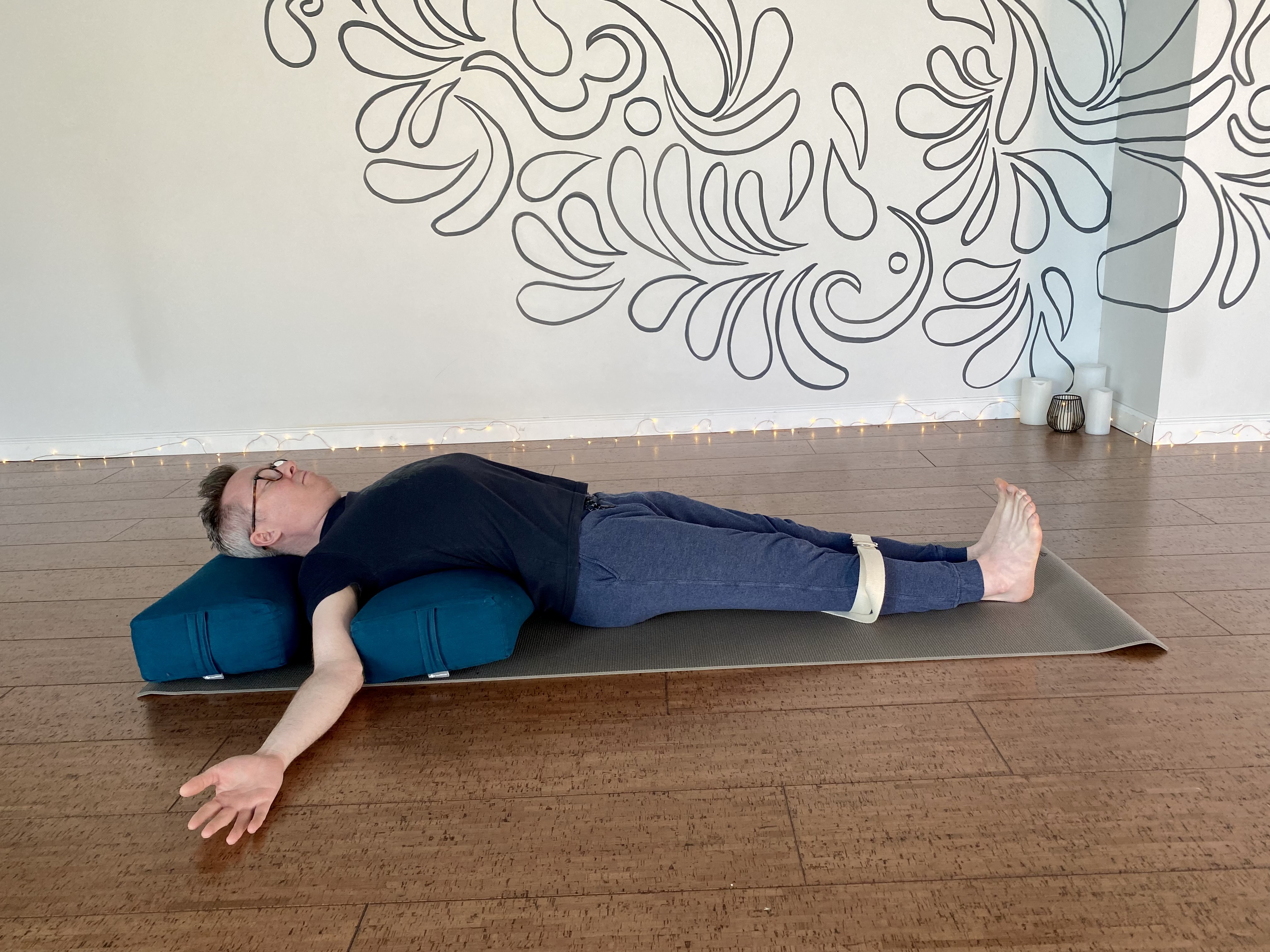
Yoga: A path to reduce stress in a busy world

Yoga is a mind and body exercise, touted to reduce stress. But how does it really work in our mind and what should we do to maximize its benefits in our body? There’s no better time to explore these questions as we celebrate National Yoga Awareness Month in September.

I invited a highly regarded (also my favorite) yoga instructor, Wes Linch to write this article to share his knowledge on how practicing yoga can strengthen our nervous system and how to get the most out of your yoga journey! 

From Wes….

Yoga has certainly become a household name the world over and it’s now more popular than ever.  As a result of the pandemic, yoga has become even more available through social media and Zoom, giving people access to amazing teachers that they never would have studied with before.  What is it about this practice that makes people want to get on their mat every day for an hour of moving, breathing, and stretching their bodies?

I think it’s pretty safe to say we live in a pretty stressful world these days.  The last few years have been especially trying for just about everyone.  Human beings intuitively know that when we feel fit and healthy, we manage stress a lot better.  When most of us think about health and fitness, probably what comes to mind are things like cardio, strength training, maybe even diet and nutrition.  However, how many of us consider bolstering and nurturing our nervous system as a critical part of our health and fitness?

When I tell a random stranger that I am a yoga teacher, their typical response is “Wow!  You must be so flexible!”.  This always gives me a bit of a chuckle.  I’m certainly more flexible than when I started yoga, but I’ll probably always be a pretty stiff guy.  Don’t get me wrong, stretching is a very important element of muscle fitness; but, so much of our flexibility is genetic.  So, let’s just get this out of the way and make it clear that extreme range of motion and super fancy poses are not the goal of yoga.  

Strengthen our Nervous System

I really believe that the true gem of yoga has more to do with strengthening our nervous system than it does stretching our hamstrings.  When we strengthen our nervous system, we manage stress better.  So, how exactly does yoga accomplish this?  What makes it better suited than other forms of exercise towards this end?  Believe it or not, it has more to do with our breath and our mindfulness than it does with the postures themselves.  This is also what makes yoga so universally accessible.  Whether you are an athlete, young or old, have an injury or suffer from a chronic illness, yoga can meet you exactly where you are at and present to you an opportunity to be with your body and breath in a really creative and nurturing way.  

So, how exactly does our breath affect our nervous system?  And more specifically, our autonomic (automatic) nervous system.  This is the part of our nervous system that is somewhat out of our direct control.  It controls much of our vital organs, hormones, heart rate, digestion, etc.  It’s a great thing that we don’t have to think about it all the time.  It would be rather tedious for us to think about digesting our food or pumping our blood.  However, much of how our nervous system works in the background gets affected by our environment (rush hour traffic, what we had for lunch, social media, lack of sleep, etc).  This can certainly feel a bit frustrating at times

Our nervous system is regulated by two separate branches, sympathetic and parasympathetic.  The sympathetic side of our nervous system is the alert, wakeful, “get stuff done” side of our nervous system.  It also happens to regulate our fight or flight response as well as our immune function (think about fighting off a cold).  The parasympathetic side of our nervous system is sometimes called the “rest and digest” side.  It helps us feel calm and relaxed (its like recharging our battery).  We can think of these two dual sides as like yin and yang to each other.  What’s most important to understand is that when we nurture our parasympathetic nervous system, it essentially recharges the sympathetic nervous system.  You may have heard of phrases like adrenal fatigue or sympathetic burnout.  This is when we overtax that side of our nervous system making us more susceptible to stress, fatigue, and illness.

This is where our breath comes into play.  Even though we can’t directly “control” our autonomic nervous system, we can indirectly affect it when we slow down our breathing.  When we breath slowly in yoga and focus on being mindful and present in a yoga posture, this has an amazing ability to calm and regulate our nervous system.  This is the true brilliance of the practice.  To make it even more fascinating, when we create a mild to moderate “stressful” situation in practice (think challenging yoga pose) and we learn to breath and relax, we are essentially retraining our nervous system in how it relates to stress.  This is an incredibly useful tool that we can take into any stressful situation of our life.  I personally believe that when we learn to breath and relax in stressful situations, we are better equipped to respond to these situations in a more healthy way.  

The Take Away

So, if you have been practicing yoga for many years, are a beginner, or have never stepped on a yoga mat, consider that it has more to do with how you do it rather than what you do.  If you can show up to your yoga practice, try new things, move your body in fun and interesting ways while encouraging yourself to breath slowly, deeply, and mindfully, you are bound to leave your practice feeling better than when you started.  

Wes Linch

About Wes

Thank you to Wes for teaching me the science and art of yoga for over 10 years! He is responsible for instilling passion in my yoga practice. I hope you will find time to discover his yoga classes. You can find Wes’s class offerings, workshops, and events both online and in person at his website: www.weslinchyoga.com

Wes is a Hatha Yoga instructor, with over 15yrs of practice and having received over 1200hrs of training.  He has studied extensively modern Vinyasa Yoga, Iyengar Yoga, Shadow Yoga, and Viniyoga.  Currently, he is continuing his training and studies with Nicki Doane (Maya Yoga), Kristin Bosteels, and Eddie Modestini(Yoga on the Inside).  He has had the privilege of studying in-depth with Mynx Inatsugu(Yogaworks and Viniyoga) and Mark Horner (Shadow Yoga).

Wes focuses primarily on bridging the gap between breath, alignment, and awareness.  He aims to make the energy of the practice relevant on and off the mat by introducing traditional yogic teachings with a modern twist.  His classes are fun, sweaty, challenging, and full of great humor and heart.


Simple Strategies for Better Wellness

Wellness isn’t just a buzzword; it’s the foundation of a good life. By focusing on your wellbeing, you improve your health, reduce the impact of stress, and set yourself up for a more satisfying life.

For many people, improving their health and wellness seems impossible. However, with the right strategies, it’s much easier than it may appear. If you aren’t sure where to begin, here are some simple ways to achieve better wellness.

Start Moving

Most adults need 150 to 300 minutes of moderate-intensity activity or 75 to 150 minutes of high-intensity exercise each week. While you can do this with longer sweat sessions, breaking the time down into 10-minute intervals also works. So, if you’re struggling to cram exercise into your day, focus on fitting in 10-minute sessions wherever you can, as that might feel more manageable.

It also helps to pursue exercise that you will enjoy. Explore Our Indian Culture’s dance classes for Indian dance lessons and workshops that will have you having fun while breaking a sweat.

Eat Healthier

Not to minimize the dollars and effort required to maintain healthy eating, but good food pays off. It has been proven that diet is linked to preventable diseases such as type 2 diabetes, heart disease and cancer. Unhealthy diet contributes to approximately 678,000 deaths each year in the U.S.

With the ever-evolving diet trends, choosing healthy foods can be confusing. It helps to find a trusted source of information from a credentialed professional like a Registered Dietitian.  

You can start by trying delicious new foods while boosting your immunity. With some creativity and an open mind, you’ll discover lots of ways to eat healthy on a budget.

Sushi Bowl

Get Quality Shuteye

In general, adults need at least 7 hours of quality sleep every day. By sleeping that long, you can have enough sleep cycles to ensure specific body processes can happen, ensuring your muscles, brain, nervous system, and more are able to repair and recover from the day.

Ideally, you want to make sure you give yourself enough time every day to get the sleep you need. Additionally, if you have any sleep disorder symptoms, seeing a doctor is essential. With a sleep disorder, you might not be getting the quality rest you need. By scheduling a medical appointment with your physician, you can get an assessment of your situation and create a treatment strategy that can help.

Schedule Some Me-Time

When your life is busy, it’s normal to focus on other people’s needs. You might prioritize your family or work over yourself, and while that’s okay on occasion, it can be detrimental to your wellbeing if you never come first in your own life.

Photo by Samuel Theo Manat Silitonga on Pexels.com

Scheduling some me-time is critical for your wellbeing. It lets you focus on yourself, giving you a chance to do things that you enjoy. With regular me-time, you’ll have more energy, reduce stress, and have an easier time being at your best. Not only is that good for you, but also it ensures you can be there for others, making it a win-win.

Reduce Job Stress

On a typical workday, you spend about a third of your time at your job if you work full-time. If you aren’t happy while working, the fact that your overall well-being suffers shouldn’t be a surprise.

When your job isn’t challenging, you may become bored and frustrated. If your workplace is toxic or your workload is unmanageable, that could lead to feelings of depression, anxiety, or burnout, all of which can harm your wellbeing.

In some cases, the best thing you can do for yourself is to plan your exit. By moving forward with a career change, you can start in a role that ignites your passion, keeps you engaged, and brings you a new level of satisfaction.

If you already have the skills you need for a new job, you may simply need to launch a job search. If you don’t, then signing up for an online degree program could be an excellent move. With an online college, you get a flexible approach to education that can put you on the path toward something better, in business, IT, and many other fields. Then, once you’re done, you can begin your new career with ease.


Contributor: Scott Sanders,  www.cancerwell.org