Improve Your Health with Fermented Foods

As the hub of our immune system and a key player in our overall health, the gut is a topic of fascination for researchers and health enthusiasts alike. A thriving gut microbiome is associated with a reduced risk of chronic diseases, improved digestion, enhanced nutrient absorption, and even better mental health. This is where fermented foods enter the scene. Regular consumption of fermented foods can contribute to a stronger immune response and increased resilience against infections.

Health Benefits of Fermented Food

The benefits of fermented foods extend far beyond their impact on gut health. From improved nutrient bioavailability to potential weight management support, these foods offer a wide range of advantages. Some fermented foods are also naturally rich in B vitamins, which are essential for energy production and overall vitality. Additionally, the fermentation process can break down antinutrients, making certain minerals more accessible for absorption.

Moreover, emerging research suggests that the consumption of fermented foods may have a positive influence on mental health. The gut-brain connection is a dynamic pathway, and the gut microbiome is thought to play a role in neurotransmitter production and mood regulation. By fostering a diverse and balanced gut microbiome through fermented foods, we might just be nurturing our emotional well-being as well.

Let’s now delve into the magical realm of fermented foods:

Improved Digestion: Fermented foods are packed with beneficial bacteria known as probiotics that can help improve digestion. These probiotics help break down food in the gut and produce enzymes that aid in digestion, leading to better nutrient absorption.

Enhanced Immune Function: Fermented foods contain live probiotics that can boost the immune system by increasing the production of white blood cells. This can help the body fight off infections and diseases.

Reduced Inflammation: Some fermented foods, like sauerkraut and kimchi, contain compounds that have anti-inflammatory properties. These compounds can help reduce inflammation throughout the body, which has been linked to numerous chronic diseases.

Better Nutrient Absorption: The process of fermentation can make certain nutrients more accessible to the body. For example, the lactose in milk is broken down during the fermentation process, making it easier for people with lactose intolerance to digest.

Improved Mental Health: Recent studies have found that there may be a link between gut health and mental health. The probiotics in fermented foods can improve gut health, which in turn can lead to improved mental health.

What are Fermented Foods?

Fermentation, a centuries-old food preservation technique, involves the natural breakdown of compounds by microorganisms like bacteria, yeast, and molds. Beyond preservation, the process also amplifies the nutritional value of foods, making them easier to digest and enriching them with beneficial compounds. As science delves deeper into the mysteries of the gut microbiome and its connection to overall health, fermented foods have taken center stage as a delicious and accessible way to support our body’s intricate ecosystem.

Fermented foods are teeming with live, beneficial bacteria known as probiotics. These friendly microorganisms act as reinforcements for our gut flora, promoting a balanced microbial environment and preventing the overgrowth of harmful bacteria. A well-balanced gut microbiome is not only vital for digestion but also plays a crucial role in supporting our immune system’s defense mechanisms.

Grow a Healthy Microbiome with Fermented Foods

Fermented foods have been an integral part of human diets and culinary traditions for thousands of years, providing both sustenance and unique flavors. Below is a list that are commonly available in the supermarket.

Yogurt: Yogurt is made by fermenting milk with live cultures of bacteria, specifically Lactobacillus bulgaricus and Streptococcus thermophilus. It’s a great source of calcium and protein, and the probiotics in yogurt can improve gut health.

Kefir: Kefir is a fermented drink made from milk, usually cow’s or goat’s milk. It’s made by adding kefir grains, which are a combination of yeast and bacteria, to the milk. Kefir is a great source of probiotics and can improve digestion.

Sauerkraut: Sauerkraut is a fermented cabbage dish that originated in Germany. It’s made by shredding cabbage and then fermenting it with salt and sometimes other vegetables, like carrots or onions. Sauerkraut is a great source of fiber and vitamin C, and the probiotics in sauerkraut can improve gut health.

Kimchi: Kimchi is a traditional Korean dish made from fermented cabbage and other vegetables, like radishes or carrots. It’s spicier than sauerkraut and is usually made with chili flakes and garlic. Kimchi is a good source of fiber, vitamin C, and vitamin K, and the probiotics in kimchi can improve gut health.

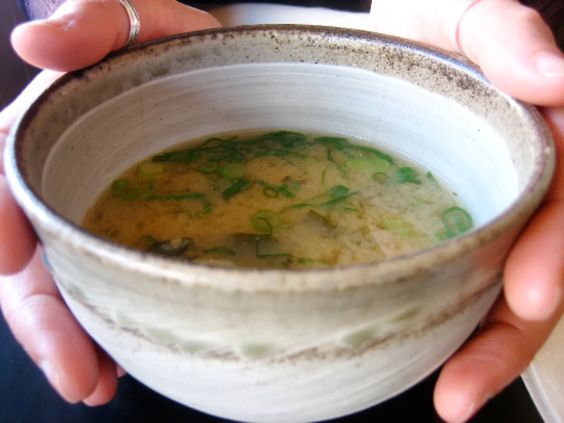
Miso: Miso is a traditional Japanese seasoning made from fermented soybeans. It has a salty, savory flavor and can be used in soups, sauces, and marinades. Miso is a good source of protein and fiber, and the probiotics in miso can improve gut health.
Tempeh: Tempeh is a fermented soybean cake that originated in Indonesia. It has a nutty, earthy flavor and a firm texture. Tempeh is a great source of protein and fiber, and the probiotics in tempeh can improve gut health.

Fried tempeh with rice and broccoli

Kombucha: Kombucha is a fermented tea drink that originated in China. It’s made by fermenting sweetened tea with a symbiotic culture of bacteria and yeast, known as a SCOBY. Kombucha is a good source of antioxidants and the probiotics in kombucha can improve gut health.

Pickles: Pickles are cucumbers that have been fermented in brine. They’re a great source of fiber and vitamin K, and the probiotics in pickles can improve gut health.

Cultivating a Fermented Food Habit: Tips for Boosting Intake

Incorporating fermented foods into your diet doesn’t have to be a daunting task. With a plethora of options available, there’s something to suit every taste preference. Whether you’re a seasoned sauerkraut enthusiast or a yogurt novice, there are strategies to help you increase your fermented food intake:

Start Small: If you’re new to fermented foods, begin by introducing them in small quantities to allow your digestive system to adjust gradually.

Explore Variety: Experiment with a range of fermented foods to find those that resonate with your taste buds. From classic options like yogurt and pickles to more adventurous choices like kombucha and miso, there’s a world of flavors to discover.

Homemade Creations: Consider making your own fermented foods at home. This not only gives you full control over the ingredients but can also be a fun and educational culinary endeavor.

Meal Incorporation: Incorporate fermented foods into your meals as toppings, dressings, or condiments. A spoonful of kimchi or a dollop of kefir can add a tangy twist to your dishes.

Snack Smartly: Choose fermented snacks like yogurt cups or kefir smoothies for a convenient and tasty way to get your daily dose of probiotics.

Final Thoughts:

As our understanding of the vital role our gut health plays in our overall wellness deepens, the allure of fermented foods becomes even more irresistible. These probiotic powerhouses offer a delightful path to better digestion, robust immunity, and potential emotional harmony. So, why not embark on a journey to explore the world of flavors from these tangy, zesty, and health-boosting fermented foods? Your taste buds and your gut will surely thank you.


Improve Your Mood With Brain Food

Imagine if eating differently could elevate your moods or improve your brain and mental health. It can! Or if reducing stress can also reduce gut symptoms . It does!

The gut and brain are interconnected more than we previously thought—new research is proving it. These discoveries have huge potential to help people with gut issues by improving brain health. At the same time, improving gut health can help people with brain or mood issues.

Sounds interesting? Learn all about the gut-brain axis and how you can leverage this new research to improve your gut and brain.

Your gut is partially controlled by your brain

Gut disorders can cause pain, bloating, or other discomfort. They impact over 35 percent of people at some point in life—affecting women more than men. Many times, these gut issues don’t have an apparent or easily diagnosable physical cause, so they can be difficult to treat and find relief from.

We already knew that our brains control some of our digestive processes. For example, research has found that even thinking about eating can cause the stomach to release juices to get itself ready for food. Your gut is also sensitive to emotions. You may recall a time when you felt anxious and nauseous or felt “knots” or “butterflies” in your stomach. 

Several studies show that stress may be an important—often overlooked—reason for gut issues. According to Harvard Health, “Stress can trigger and worsen gastrointestinal pain and other symptoms, and vice versa.”

This is why it’s so important to look at your stress and emotions if you have gut issues. Many studies have found that stress reduction techniques can lead to greater improvement in gut symptoms compared to conventional medical treatment alone. 

Before I go over how to do this, let’s take a closer look at the biology behind the gut-brain axis.

Your nervous systems

There are two main parts of your “main” nervous system. One is the part that we can consciously control, like when we move our muscles to walk around, chew our food, or play with our kids. This is called the somatic nervous system.

The other part of our nervous system controls all of those things that we can’t control, but need to survive. These include processes that happen automatically in the background: breathing, heart beating, sweating, or shivering. This part of the nervous system is called the autonomic nervous system because it works automatically.

The autonomic system regulates our body’s functions by either speeding things up or slowing them down. When things are sped up, like when our “fight or flight” reactions kick in, this is done by the sympathetic part. We feel this happening when we sense danger – real or not – and get stressed. Our heart beats faster and we breathe heavier. We’re preparing to fight or flee, so our body focuses on ensuring our muscles get enough blood and oxygen to work hard.

Slowing things down, on the other hand, is done by the parasympathetic part. This happens when we’re relaxing or after the danger has passed and we start to calm down. It allows our heart, lungs, muscles and our digestive systems do their jobs much better. In this phase, we’re secreting more digestive juices to break down food, therefore absorbing more nutrients, as well as lowering levels of inflammation in our gut. That’s why this is called the “rest and digest” phase.

Both of these arms of the autonomic nervous system—the sympathetic and parasympathetic—interact with the gut. This means that when our body is stressed we can experience gut symptoms and when we’re relaxed our digestion does what it’s meant to do. 

Your gut is your “second brain”

In addition to your “main” nervous system, your gut has its own nervous system called the enteric nervous system. The enteric nervous system spans your whole digestive tract from your esophagus, along your stomach, intestines, and colon. This nervous system is sometimes referred to as the “second brain” because it works in the same way that the “main” one does. It has 100 million nerve cells (called neurons) that communicate with each other using biochemicals called neurotransmitters.

Your enteric nervous system gets input from both the sympathetic and parasympathetic nervous systems, so it can speed up or slow down when it has to. It also has a “mind” of its own and can function independently of them.

This complex system is important because of how complex our digestive processes are. For example, after we eat, the neurons in our enteric system tell the muscle cells of the stomach and intestines to contract to move food along to the next part. As our gut does this, our enteric nervous system uses neurotransmitters to communicate with the central nervous system.

Your enteric nervous system is also very closely linked to your immune system. This is because a lot of bacteria can enter the body through the mouth and end up in the gut. You have a large immune presence there to help fight them off before they become a larger problem and infect other parts of the body. The cells of the immune system provide another path for the gut to communicate up to the brain. They relay information like when they detect an infection or when your stomach is bloated, so your brain knows, too.

Even the friendly gut microbes (gut microbiota) that help us digest and make certain nutrients play a role in communicating with the brain. They make neurotransmitters, some of which are known to influence our moods.

The gut-brain axis

This intimate and complex connection between your gut and brain is called the gut-brain axis. And we now know that the signals go in both directions: from your brain down to your gut, and from your gut up to your brain.

This is where we see the link between digestive issues and brain, stress, and mood issues.

When someone is stressed enough that they get into the “fight or flight” reaction, digestion slows right down to allow the muscles to fight or flee. The same physical reaction appears whether the stress is from a real threat or a perceived one. This means that your body reacts the same whether you’re facing a real life-threatening situation or whether you’re super-stressed about a looming deadline. This disruption of the digestive process can cause pain, nausea, or other related issues.

Meanwhile, it’s known that experiencing strong or frequent digestive issues can increase your stress levels and moods. People with depression and anxiety have more GI symptoms, and vice versa.

How stress and emotions affect your gut

Because of these strong connections between the gut and brain, it’s easy to see how stress and other emotions can affect the gut. Things like fear, sadness, anger, or feeling anxious or depressed are often felt in the digestive systems. When they cause our digestive systems to speed up (or slow down) too much, this can influence pain and bloating. It can also allow bacteria to cross the lining of the gut and get into the bloodstream, activating our immune systems. It can increase inflammation in the gut or even change the microbiota.

This is why stress and strong emotions can contribute to or worsen a number of digestive issues such as Crohn’s disease, colitis, irritable bowel syndrome (IBS), gastroesophageal reflux disease (GERD), or food allergies or sensitivities.

Then, these gut issues are communicated to the brain, increasing the stress response and affecting our moods. This loop of stress and gut issues leads to a vicious cycle.

New research shows that changes to the gut’s inflammation or microbiome can strongly affect many other parts of the body as well—not just the brain and mood. They’re also associated with depression and heart disease.

How to eat and de-stress for better gut and brain health

What you eat can have a huge impact on your health. This is particularly true when it comes to the microbiome. Your gut health improves when you eat a higher-fiber, more plant-based diet. That’s because it provides your friendly gut microbes with their preferred foods so they can grow and thrive. Probiotic foods that include health promoting bacteria are also recommended. Reducing the amount of sugar and red meat you eat can also help. These can lead to a healthier microbiome by helping to maintain a diverse community of many species of microbes to maximize your health. They can also lower the level of gut inflammation, as well as reduce the risk of depression and heart disease.

Photo by ANTONI SHKRABA on Pexels.com

For better gut and brain/mental health:

Eat More: Eat Less:
Fruits and VegetablesSugar
Nuts and SeedsRed Meat
Whole grainsProcessed breads and cereals
Fermented foods
e.g. miso, sauerkraut, pickles, kimchi, yogurt
Artificial sweeteners

What about stress? Evidence suggests that some stress reduction techniques or psychotherapy may help people who experience gut issues. They can lower the sympathetic “fight or flight” response, enhance the parasympathetic “rest and digest” response, and even reduce inflammation. 

Photo by Valeria Ushakova on Pexels.com

Some of the stress-reduction techniques I love and recommend are:

  • Guided meditation
  • Deep breathing
  • Mindfulness
  • Relaxation
  • Hypnosis
  • Yoga

Your gut, brain, and mood will thank you!

Final thoughts

Our bodies are complex and interact with other parts on so many different levels. The gut-brain axis is a prime example. Research shows that what we eat not only improves the gut and overall health, but also brain and mental health. Not to mention that several stress-reduction techniques have been shown to reduce digestive illness and distress as well.

If you want a meal plan to help you eat—and enjoy—more of the foods that help your gut, brain, and moods. Use promo code HG50 to save 50% on my digital meal plans . You can customize your the meal plan with hundreds of our deliciously fresh recipes suitable for the whole family to enjoy.

If you have specific medical conditions requiring dietary changes, be sure to consult a registered dietitian who can provide personalized research-based nutrition advice for your health, lifestyle, and goals.