How to Reduce Food Waste to Save Money, Time and the Environment

If you’ve ever tossed out a container of yogurt that’s approaching its date, discarded veggies that have gone limp, or thrown out a salad that’s just starting to turn a bit brown around the edges, you’re not alone. In celebration of Earth Day this year, I will share some practical ways to reduce food waste to save money, time and most of all, our environment!

While food waste is a worldwide phenomenon, the U.S. is a big contributor. Would you believe that food takes up more space in U.S. landfills than any other type of waste? It’s unfortunately true. Right here at home up to 40 percent of the entire U.S. food supply goes to waste. That’s almost 20 pounds of food per person every month. 

Not only are you reducing landfill waste, just imagine how much time and money you could save even if you reduce a portion of your this waste. Before we dive into the hacks, let’s talk a bit about some of the many benefits you could see by reducing food waste.

The impact of food waste is wide-ranging. The less food we waste, the more time and money we can save—and these are so very important. By reducing the amount of food wasted, farmers can use less fresh water, land, fertilizers, etc. because they’re not producing food that’s going to be discarded. Reducing food waste also reduces the amount of food that needs to be processed, transported, and sometimes stored in un-recyclable packaging and energy-intensive refrigerators and freezers. Plus, with less food waste, less space is used in landfills and less greenhouse gas is produced. Not to mention that there are a few not-as-obvious societal impacts that I’m going to discuss as well.

Benefits of reducing food waste

Save time 

Leftovers may not be the most glamorous meals, but they allow you to cook once and eat twice or more. This uses your precious time more efficiently because you’re not making a huge effort to decide what new meal or snack to make, and then spending even more time preparing.

Save money

The amount of produce wasted by an average American family of four costs about $1,600 per year. Imagine what you could do with that amount of money by simply buying only what you need and are going to eat, without unnecessary excess.

Save the environment

Reducing food waste helps us use critical resources like our land, water, fertilizers, packaging, transportation, storage, etc. much more efficiently. That’s because these investments will go toward food that we’re going to use and enjoy, not producing excess that’s going to be discarded. These efficiencies can help to reduce our environmental impact. 

Discarding food not only wastes the water and energy that went into all of the steps needed to get the food to you, but when it’s in a landfill, food waste releases greenhouse gases like carbon dioxide and methane. The U.S. Environmental Protection Agency (EPA) estimates that 95 percent of food wastes end up in landfills instead of the compost.

Food waste collected in a truck.
Photo by Kelly on Pexels.com

Boost your relationships and community

When you share extra food with people you know and care about, you’re building relationships with them. There are plenty of people who use community services to access food and that number is growing. By sharing food with them, you can help increase food security in your community.

Hacks to reduce your household food waste

It’s true that food is wasted at every level from farm to fork. Farms, manufacturers, grocery stores, and restaurants all waste some of their food. While you may not be able to control these other areas, reducing your own food waste can make a sizable difference. That’s because household food waste accounts for the biggest amount of food wasted — more than restaurants, grocery stores, and food service companies combined.

1 – Freeze food and enjoy your leftovers

Sometimes we buy or make too much food to eat in one day. It’s often the tiny bit of leftover that we don’t feel it’s worth saving that really adds up. If you force yourself to eat more than you need in the name of reducing food waste, you may still be wasting food and your body bears the burden. Instead, safely store uneaten food in a sealed container in your fridge or freezer, and then enjoy it another time as a “leftover.”

Leftovers can also save you time and money when you’re super-busy because you can quickly take a meal out of the fridge or freezer instead of spending the time and money to prepare or buy a whole new meal.

2 – Know your dates

One of the biggest reasons people throw away food is because they think it’s spoiled. This is understandable because no one wants to eat or serve food that has gone bad and may make them sick. Sometimes, the date that a food goes bad is not always clear because manufacturers may use different dates on their packages. In an effort to reduce confusion, the U.S. FDA is recommending the use of:

  • “Best if used by” to describe the quality of the food (not its safety); the food may not taste or perform as expected but it’s still safe to consume as long as it was stored properly.
  • “Expires on” is mostly reserved for infant formulas which should not be used beyond that date.

3 – Try “imperfect” or “ugly” food

Did you know that food is sometimes dumped because it doesn’t look “perfect” enough? Looking for “imperfect” or “ugly” food, or food that’s approaching its “Best if used by” date, is another way to save money and reduce food waste. Some markets and grocery stores package up food that may be “ugly” or not as fresh as their latest shipment and sell them at lower prices than the “perfect” food we’re used to seeing. Some companies even make a business of delivering imperfect foods to your door. Many of these imperfect foods can still be used in smoothies, casseroles, soups, and baking. If you need inspiration for recipes, you can access my healthy recipe of the week here.

Be sure to check to make sure the imperfect foods are still safely edible and are not spoiled; then, prioritize freezing or eating these foods first.

By choosing “imperfect” or “ugly” foods when you’re out shopping you can help prevent it from going to waste while saving money at the same time.

Imperfect pears
Photo by Marta Dzedyshko on Pexels.com

4 – Share extra food

If you know someone who would love to join you for a meal or appreciate your leftovers afterward, consider sharing with them. You can invite them over or drop your extra food off to them. 

Another idea is to find a food bank or shelter in your area and see what types of food they accept. If you have extras of those, simply donate it to them. If you want to go the extra mile, you can even consider donating the amount of money you saved from reducing food waste to your local food bank or shelter so they can purchase what is most urgently needed.

5 – Optimize your fridge and freezer

Don’t forget to regularly check your fridge and freezer to keep an eye on food that may be approaching the end of its useful life. If you find any, enjoy them first. Create a meal or two a week that would use the “on the way out” produce and meat into delicious dishes. Some of my favorites are creamed vegetable soup made with creamy coconut or cashew milk, Indian vegetable curry made with protein of choice, and a salad/grain bowl. 

Once the meals are cooked, you just renewed the shelf life of those ingredients for another 2-3 days in the refrigerator and another 1-2 months in the freezer. To keep your food fresh as long as possible, Keep your fridge set to a maximum temperature of 40°F and your freezer to 0°F or lower.

6 – Compost and use organic collection programs

The U.S. EPA estimates that just 4.1 percent of wasted food is composted, so composting is a huge area of opportunity. If you have a backyard and ability to compost food scraps to make nutrient-rich soil, that is a great place to start. Alternatively, if your city, town, or region has a composting program, you can contribute to that instead of putting food waste into the garbage which goes to the landfill.

Collecting produce scraps in paper bag for the compost.
Photo by Sarah Chai on Pexels.com

7 – Use a grocery list and meal plan

When you plan out the meals you want to eat and stick to your grocery list, you’re less likely to purchase and make too much food. If you create a thoughtful grocery list—and stick to it—you can buy only what you need.

How meal planning can help reduce food waste

Having a plan for your meals—whether you make the plan yourself or invest in one that works for you—is a great way to reduce your food waste. That’s because when your meals are planned out, you can create a grocery list of the foods you need for that plan. If you double-check your pantry, fridge, and freezer before adding something to your grocery list, and stick to the list when you’re out shopping, you will buy only what you need and are planning to eat. 

By using a meal plan to reduce the amount of excess food you buy in the first place, you’re cutting down on food waste at the source. This is called “source reduction.” According to the U.S. EPA, source reduction is the most impactful step toward reducing food waste, so it’s a great one to focus your efforts on. 

Meal planning has other benefits beyond reducing food waste and saving you time and money. Using meal plans can help you create meaningful and sustainable changes for your health. For example, a recent study published in the Annals of Behavioral Medicine looked at people who joined a weight loss program. They found that participants who planned more of their meals lost more weight than than those who planned fewer meals.

Final thoughts

By reducing food waste we can help to save time and money, reduce our impact on the environment, and even build our relationships and communities. It truly is a win-win-win situation.

One of the best ways to tackle this problem is by using a meal plan. Meal plans can inform your grocery list and then reduce the amount of extra food purchased when you go shopping at the market. But, not everyone wants to spend the time and effort to create their own plans. If this is you, just leave me a reply and I would love to help with your meal plans!

5 Strategies for Meal Prep to Make Back-to-School a Breeze

Are you a parent of children who are heading into another school season? If so, then you might be feeling overwhelmed by the preparations that need to be made for this time of year. 

There is so much to do before that school bell rings! One thing I’m really looking forward to this fall is a new well-oiled meal prep routine.

One important strategy to lighten your load this school season is your meal prep strategy. In this post we will explore five strategies for back-to-school meal prep that will save you time and energy. Plus, you’ll love that your family is eating well.

I hope it helps make things easier for you and keeps everyone happy and healthy during these busy days!

Delegate

No matter your children’s age, they can help at some level with meal prep and lunch packing. Unfortunately, this is one parenting lesson I didn’t learn early enough. So get the kiddos involved as soon as possible and make it fun! 

Kids love to participate in food prep. Whether it’s cutting up ingredients, packing sections of their bento lunch boxes or stirring muffin batter, giving them some responsibilities will help your child to eat their meals if they’ve had a role in their creation!

Kids are also more likely to try new foods – even fruits and vegetables – if they’ve helped to prepare them. I’ll never forget the time my daughter ate smoked salmon in 1st grade and loved the idea of packing her “lox in the box” for lunch.

Plan and prep ahead

It is hard for any of us to make the best food decisions when we’re tired or frazzled – even a dietitian! Having a plan A and even a plan B helps to keep meals running smoothly, no matter how the day unfolds. 

Using a meal plan as a guide can be REALLY helpful. It doesn’t mean that you have to make every meal on a meal plan but it can help to get started with preparing healthy meals the whole family can enjoy. Select three dinners and a few snacks for each week of the month. Stick with it until you have a repertoire of at least 10 dinner meals you can put into rotation – this can take up to 4-6 weeks. Dinners such as soups, stews, and roasted proteins make excellent lunch box appearances when paired with non-prep items such as fruits, vegetables, cheese, and crackers. 

My favorite dinner leftover combinations include: 

  • Shredded chicken tacos with salsa and prepared guacamole
  • Vegetable chili with cheese and crackers
  • Beef stew with rice 
  • Tofu or other protein kabobs with pasta and prepared pesto sauce
  • Broccoli Cheddar soup with whole grain toast wedges

A  helpful tip to leveraging dinner as lunch is to scale your recipes to ensure you have enough for lunch the next day. Also, pack lunches BEFORE you eat dinner to avoid adding burden to your already busy morning schedule.

Batch your work

We talk about batching work with tasks at the office, but what about in the kitchen? Same time-saving principle applies!

Here are a few ideas:

If your kiddos love smoothies for breakfast, batch your smoothie packs in cups or bags in the freezer so that breakfast is as simple as dumping the ingredients into the blender and adding their favorite milk or juice to blend. 

Cutting veggies take time so why not cut up your child’s favorite vegetables (or have your child do it with you) once or twice a week and store them in baggies that are ready to toss into the lunch box. Or store all of the sliced veggies in a container so that packing their bento lunch box is that much faster.

And if you know that you’re cooking two different dinners that call for chopped onions and celery, chop up enough veggies for both dinners. You’ll be thankful for less chopping when the time comes to cook the second recipe! 

Use a template

How else can we reduce your mental load? Follow a template whenever you can!

If your child uses a bento box to pack their lunch, assign a food group to each section. Whole grains go on the left, fruits below, a protein on the right, and so on. Discuss what “counts” for each section of their lunch and brainstorm choices that fit into each category. From there, your child can pack their lunch with less input from you.

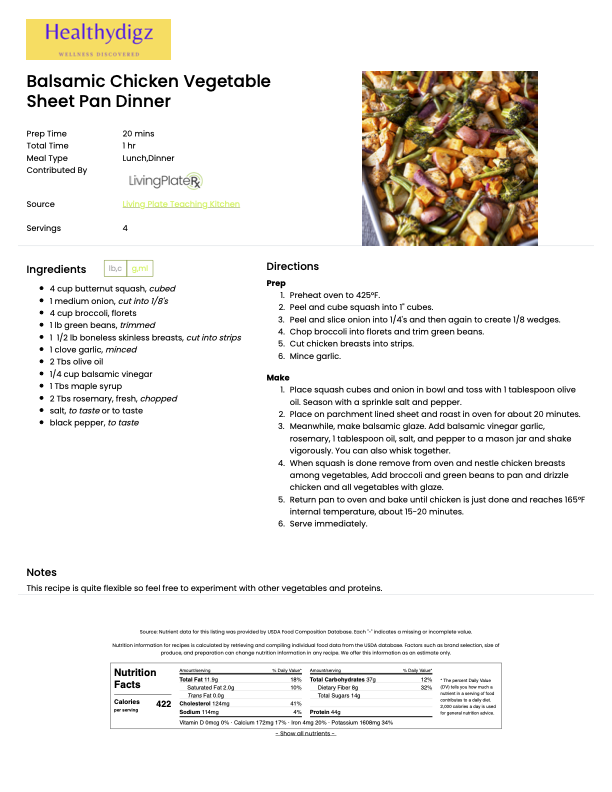
And for dinners, have some regular meals that you can depend on to be quick and delicious, without needing too much brain power. For example, Taco Tuesdays! Use the crockpot to cook your favorite taco filling and dinner will be mostly ready when you and your crew get home hungry. A few other ideas are breakfast for dinner, pizza Fridays and getting a rotisserie chicken on Mondays. My favorite is sheet pan dinners where I roast pre-cut vegetables and protein coated with olive oil and our favorite seasonings in a 425F oven for 15-20 minutes. I have included the recipe for the Balsamic Vegetable Sheet Pan Dinner as a template below. Just vary the vegetables (remember to batch your work), protein and seasonings to make it your own.  

Adjust your expectations

When your circumstances change, so too does your patience and bandwidth. This is completely normal! In this back-to-school season, remember to be gentle with yourself. If you have more activities to attend and more to-dos each day, it is reasonable to look for ways to simplify and delegate. You do not have to do everything yourself, or create meals in the same way as when you have more time. You can have a happy and healthy family, even with a few shortcuts.

Key takeaways:

Change always comes with a bit of stress, and back-to-school is full of changes! Be patient  with yourself and your family as you establish new routines. Consider what steps you need to take to ensure that you’re eating the meals that help you to thrive. Plan ahead and don’t forget to make that plan B!


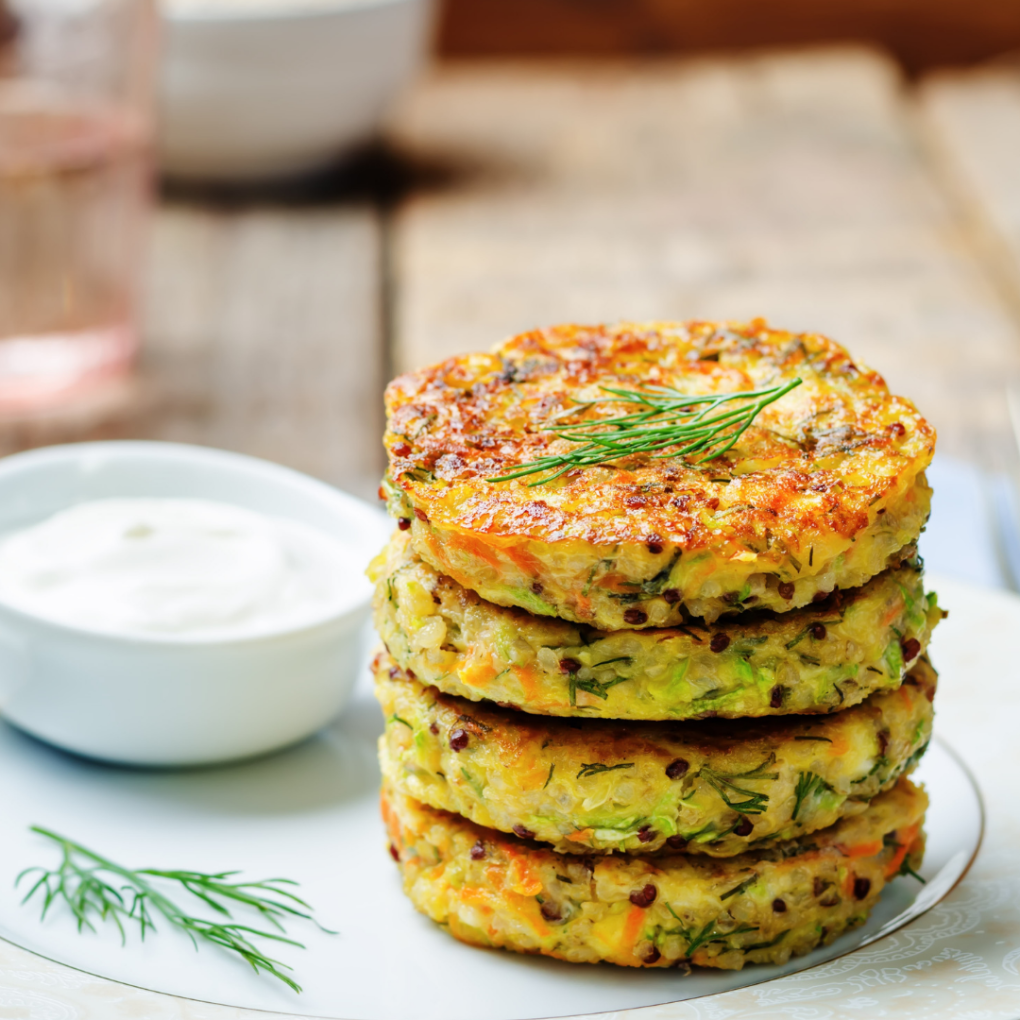
Chickpea Quinoa Fritters (plant-based)

Plant-based Diet helps to reduce inflammation

Sugar, trans-fats, and alcohol are known to contribute to many diseases. But did you know that red meat, especially processed meat, and dairy foods may be pro-inflammatory and can lead to chronic inflammation? Before we get into how a plant-based diet can help, let’s have a look at how inflammation happens in our body.

Acute Inflammation

Can you remember the last time you cut yourself, were stung by a bee, or injured a joint? Your body reacted in a way to heal itself – to return the injured tissue to a normal state. The reaction that caused the uncomfortable pain, redness, and swelling is the result of a protective response known as inflammation. Inflammation is necessary and is not bad, but it has its place – as in the cases cited above when there is an acute injury. The benefit of an inflammatory reaction can be life-saving, so suppressing inflammation completely is not possible. When inflammation becomes chronic, however, extinguishing some of the fire can have big health benefits.

Chronic Inflammation

Chronic inflammation is harder to identify than acute and is a state of prolonged inflammation. The same cells that help with acute injury healing actually do damage if they hang around too long when the inflammatory switch gets stuck in the “on” position. While chronic inflammation is not known to be the primary cause any one disease, it is now widely accepted that it plays a role in diseases such as cardiovascular disease, diabetes, cancer, autoimmune diseases, metabolic disorders, such as overweight and obesity, as well as neurological diseases. Causes of chronic inflammation may include persistent infection, food sensitivities, leaky gut, poor diet, poor sleep hygiene, environment, and exercise without proper recovery. Also, visceral fat, which is the fat tissue stored close to organs in the mid-section, can be a driver of chronic inflammation as it is dynamic and produces a variety of pro-inflammatory hormones.

Anti-Inflammatory Diet

The easiest, low-risk approach to addressing chronic inflammation is with diet. An anti-inflammatory diet is described in research as one that is appropriate in calories, low in processed carbohydrates, high in fiber, high in mono and polyunsaturated fats, higher in omega 3 than omega 6, and high in antioxidants. Translation: High in whole, plant foods with a focus on healthy fats and moderate animal protein intake –at least 75% plant foods and no more than 25% animal proteins.

This type of 75/25 dietary ratio hits all the anti-inflammatory buttons as whole plant foods are almost always less calorie-dense than processed foods, they are high in fiber, and contain a wide variety of disease-fighting antioxidants. Certain plant foods such as chia seed, avocados, walnuts, and olive oil are rich in healthy fats. The other 25% of your plate? High-quality animal proteins. Salmon, sardines, and mackerel are animal proteins of note as they are also excellent sources of omega-3 fats, which are anti-inflammatory.

Transitioning to a Plant-based Diet

By reducing intake of processed foods and replacing them with colorful, whole plant foods you are well on your way to reaping the benefits of an anti-inflammatory diet and reducing risk of many chronic diseases. Curious as how to transition to a plant-based diet with success? I have created an e-book that shows you how to plan, shop, and cook plant foods, including an extensive pantry list to stock up on essential ingredients. This FREE e-book is a great resource to get you started on plant-based eating.


How to Make A Virtual Dinner Party Easy with a Delicious Menu!

Don’t sweat over the menu and the logistics of a virtual dinner party! Remember the goal is to have some fun with your friends. My husband and I had a great time last night with 2 of our dearest foodie friends in Canada. That’s the beauty of a virtual dinner – sharing a meal in California and British Columbia at the same time! The border between US and Canada has been closed since March and it’s not likely to open anytime soon, so we were thrilled to find a way to cook and drink “together” again. Virtual dinner parties, like many behaviors (online shopping is a good example) that started out of necessity during the pandemic will likely continue.

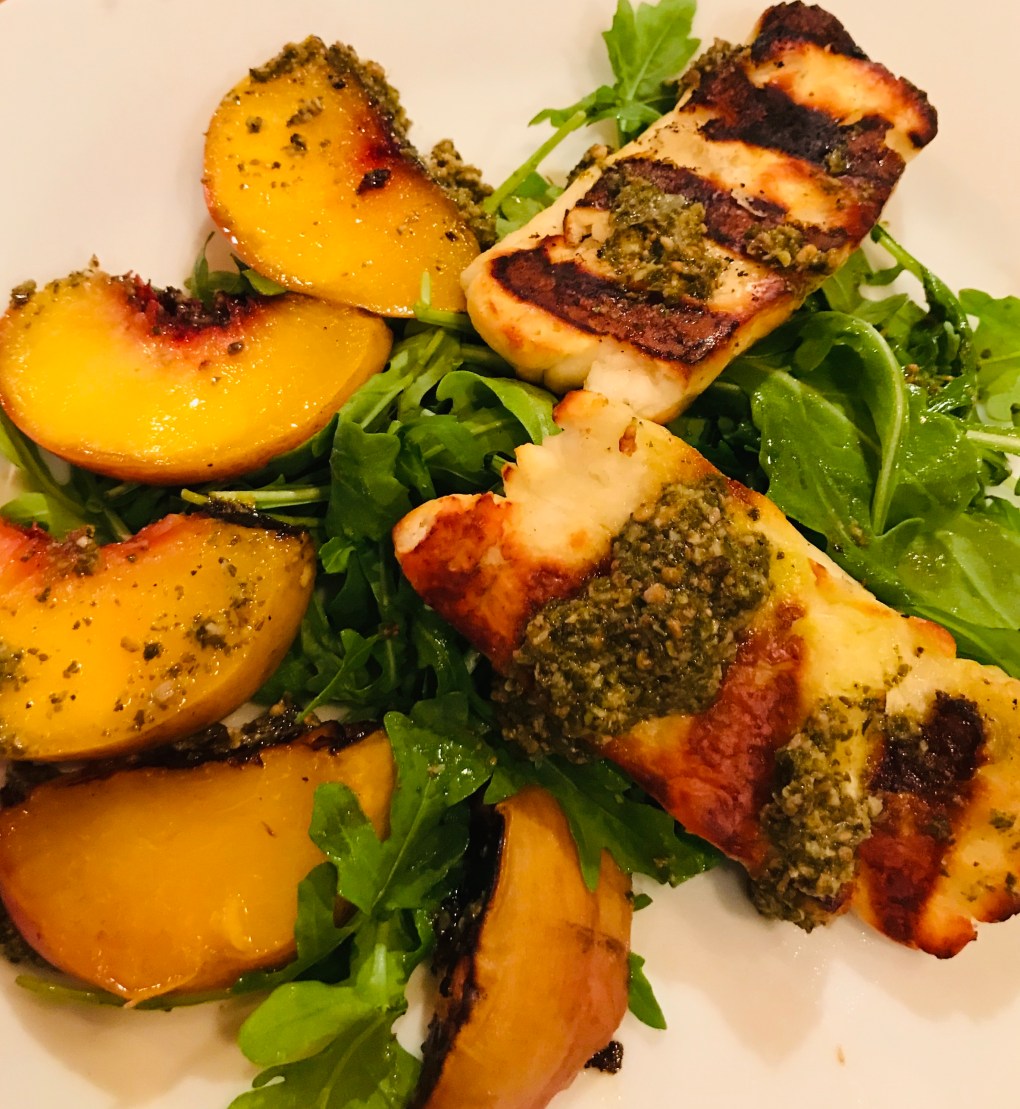
The key is to keep it simple! We just used FaceTime so we didn’t get frustrated setting up new technology unfamiliar to us. My husband put a standing pork roast on the grill rotisserie so it didn’t need much attention while cooking – leaving more time to socialize. I wanted to share a seasonal dish that is interesting and vegetarian but also easy to cook at the same time. I found the perfect recipe – Grilled peach Salad with Halloumi – in my Healthydigs Refresh Meal Plan Program. Click the link to find many more delicious recipes like this. If you haven’t grilled peaches and Halloumi cheese before, this is a must! This dish satisfies all five tastes – sweet, sour, bitter, salty and umami – of the tongue. I prepared all the ingredients ahead of time and then just grilled the peaches and Halloumi cheese for 5 minutes before plating. This was our first virtual dinner party and there will be many more to come, pandemic or not!


Five Easy Ways to Heal your Microbiome

What is Microbiome and why is it important to our health? I put these questions to my esteemed colleague, Lori Shore-Mouratoff, MD, at Cornerstone Integrative Medicine Clinic in Oakland, CA. This is what she shared with me:

Our body is host to trillions of bacteria, yeast and viruses that make up our microbiome. These organisms are responsible for helping us utilize and make vitamins, detoxify our bodies and maintain the integrity of our intestinal lining to prevent food sensitivities. Poor food choices, medications, stress, and lack of sleep can create an imbalance in the composition of these organisms causing gastrointestinal symptoms, joint pain, eczema, hormonal imbalance, obesity and brain fog.

Clearly, improving the health of your microbiome is vital to your well-being! Below are 5 lifestyle hacks Dr. Lori Shore-Mouratoff recommended :

1. Eat prebiotics that support favorable organisms

Inulin-type fructans modulate appetite, improve inflammatory bowel diseases, decrease colon cancer risk, increase absorption of minerals and vitamins and affect lipid metabolism by supporting the population and function of bifidobacteria and butyrate .

Foods containing inulin-type fructans for gut health:
LeeksRyeBarley
Chicory rootsOnionAsparagus
BananaGarlic Artichokes

Butyrate is an essential metabolite in the human colon, responsible for maintenance of the gut barrier, with immunomodulatory and anti-inflammatory properties.

Foods that support butyrate forming bacteria in your colon:
Whole Grains: Brown rice, whole gluten free oats, barley, rye, quinoa, buckwheat
Legumes: Lentils, chickpeas, kidney beans, pinto beans, mung beans, adzuki beans
Fruits and Vegetables: Leafy greens, apples, kiwi, berries, bananas, citrus

2. Increase polyphenols in your food plan

Polyphenols increase the amount of healthy bacteria in the gut, such as Lactobacillus and Bifidobacteria and also inhibit growth of potentially pathogenic bacteria.

Polyphenol Rich Foods:
Black elderberryGround flax seeds (Fresh)Pecans
Black currantDark ChocolatePrunes
BlueberryChestnutRed Currants
Globe artichoke headsBlack TeaPeach
CoffeeGreen TeaGreen Olives
CherryAppleRed Onion
StrawberryHazelnutGreen Grapes
BlackberryRed wineShallots
PlumBlack OlivesRed Chicory
RaspberrySpinachBroccoli

3. Eat fermented food everyday

Fermented foods are rich in probiotics and good bacteria . Try to include them in your meals daily!

Unsweetened yogurtKimchi
KefirTempeh
PicklesMiso
SauerkrautKombucha

4. Avoid the items that are harmful to beneficial bacteria

  • Trans fat, a.k.a partially hydrogenated oil
  • Sugar
  • High fructose corn syrup
  • Artificial sweeteners
  • Food additives
  • Processed food
  • Pesticides and chemicals

5. Reduce Stress

  • Try Restorative Exercises like Yoga, QiGong and TaiChi.
  • Start a meditation practice
  • Deep breathing: rub a drop of cedarwood, lavender or chamomile essential oils on your hands then inhale
  • Get enough sleep
  • Take a walk outside in nature
  • Increase your social connections
  • Engage in your community

.