Improve Your Health with Fermented Foods

As the hub of our immune system and a key player in our overall health, the gut is a topic of fascination for researchers and health enthusiasts alike. A thriving gut microbiome is associated with a reduced risk of chronic diseases, improved digestion, enhanced nutrient absorption, and even better mental health. This is where fermented foods enter the scene. Regular consumption of fermented foods can contribute to a stronger immune response and increased resilience against infections.

Health Benefits of Fermented Food

The benefits of fermented foods extend far beyond their impact on gut health. From improved nutrient bioavailability to potential weight management support, these foods offer a wide range of advantages. Some fermented foods are also naturally rich in B vitamins, which are essential for energy production and overall vitality. Additionally, the fermentation process can break down antinutrients, making certain minerals more accessible for absorption.

Moreover, emerging research suggests that the consumption of fermented foods may have a positive influence on mental health. The gut-brain connection is a dynamic pathway, and the gut microbiome is thought to play a role in neurotransmitter production and mood regulation. By fostering a diverse and balanced gut microbiome through fermented foods, we might just be nurturing our emotional well-being as well.

Let’s now delve into the magical realm of fermented foods:

Improved Digestion: Fermented foods are packed with beneficial bacteria known as probiotics that can help improve digestion. These probiotics help break down food in the gut and produce enzymes that aid in digestion, leading to better nutrient absorption.

Enhanced Immune Function: Fermented foods contain live probiotics that can boost the immune system by increasing the production of white blood cells. This can help the body fight off infections and diseases.

Reduced Inflammation: Some fermented foods, like sauerkraut and kimchi, contain compounds that have anti-inflammatory properties. These compounds can help reduce inflammation throughout the body, which has been linked to numerous chronic diseases.

Better Nutrient Absorption: The process of fermentation can make certain nutrients more accessible to the body. For example, the lactose in milk is broken down during the fermentation process, making it easier for people with lactose intolerance to digest.

Improved Mental Health: Recent studies have found that there may be a link between gut health and mental health. The probiotics in fermented foods can improve gut health, which in turn can lead to improved mental health.

What are Fermented Foods?

Fermentation, a centuries-old food preservation technique, involves the natural breakdown of compounds by microorganisms like bacteria, yeast, and molds. Beyond preservation, the process also amplifies the nutritional value of foods, making them easier to digest and enriching them with beneficial compounds. As science delves deeper into the mysteries of the gut microbiome and its connection to overall health, fermented foods have taken center stage as a delicious and accessible way to support our body’s intricate ecosystem.

Fermented foods are teeming with live, beneficial bacteria known as probiotics. These friendly microorganisms act as reinforcements for our gut flora, promoting a balanced microbial environment and preventing the overgrowth of harmful bacteria. A well-balanced gut microbiome is not only vital for digestion but also plays a crucial role in supporting our immune system’s defense mechanisms.

Grow a Healthy Microbiome with Fermented Foods

Fermented foods have been an integral part of human diets and culinary traditions for thousands of years, providing both sustenance and unique flavors. Below is a list that are commonly available in the supermarket.

Yogurt: Yogurt is made by fermenting milk with live cultures of bacteria, specifically Lactobacillus bulgaricus and Streptococcus thermophilus. It’s a great source of calcium and protein, and the probiotics in yogurt can improve gut health.

Kefir: Kefir is a fermented drink made from milk, usually cow’s or goat’s milk. It’s made by adding kefir grains, which are a combination of yeast and bacteria, to the milk. Kefir is a great source of probiotics and can improve digestion.

Sauerkraut: Sauerkraut is a fermented cabbage dish that originated in Germany. It’s made by shredding cabbage and then fermenting it with salt and sometimes other vegetables, like carrots or onions. Sauerkraut is a great source of fiber and vitamin C, and the probiotics in sauerkraut can improve gut health.

Kimchi: Kimchi is a traditional Korean dish made from fermented cabbage and other vegetables, like radishes or carrots. It’s spicier than sauerkraut and is usually made with chili flakes and garlic. Kimchi is a good source of fiber, vitamin C, and vitamin K, and the probiotics in kimchi can improve gut health.

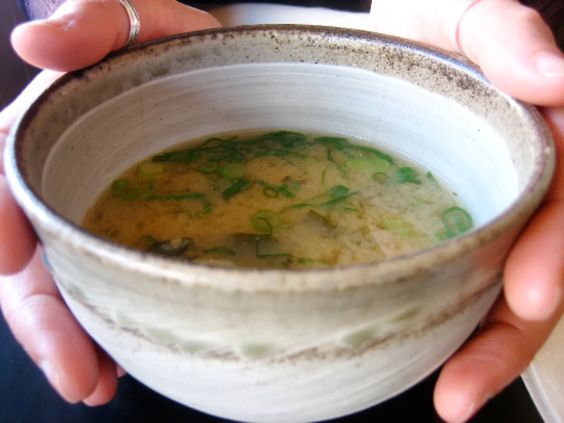
Miso: Miso is a traditional Japanese seasoning made from fermented soybeans. It has a salty, savory flavor and can be used in soups, sauces, and marinades. Miso is a good source of protein and fiber, and the probiotics in miso can improve gut health.
Tempeh: Tempeh is a fermented soybean cake that originated in Indonesia. It has a nutty, earthy flavor and a firm texture. Tempeh is a great source of protein and fiber, and the probiotics in tempeh can improve gut health.

Fried tempeh with rice and broccoli

Kombucha: Kombucha is a fermented tea drink that originated in China. It’s made by fermenting sweetened tea with a symbiotic culture of bacteria and yeast, known as a SCOBY. Kombucha is a good source of antioxidants and the probiotics in kombucha can improve gut health.

Pickles: Pickles are cucumbers that have been fermented in brine. They’re a great source of fiber and vitamin K, and the probiotics in pickles can improve gut health.

Cultivating a Fermented Food Habit: Tips for Boosting Intake

Incorporating fermented foods into your diet doesn’t have to be a daunting task. With a plethora of options available, there’s something to suit every taste preference. Whether you’re a seasoned sauerkraut enthusiast or a yogurt novice, there are strategies to help you increase your fermented food intake:

Start Small: If you’re new to fermented foods, begin by introducing them in small quantities to allow your digestive system to adjust gradually.

Explore Variety: Experiment with a range of fermented foods to find those that resonate with your taste buds. From classic options like yogurt and pickles to more adventurous choices like kombucha and miso, there’s a world of flavors to discover.

Homemade Creations: Consider making your own fermented foods at home. This not only gives you full control over the ingredients but can also be a fun and educational culinary endeavor.

Meal Incorporation: Incorporate fermented foods into your meals as toppings, dressings, or condiments. A spoonful of kimchi or a dollop of kefir can add a tangy twist to your dishes.

Snack Smartly: Choose fermented snacks like yogurt cups or kefir smoothies for a convenient and tasty way to get your daily dose of probiotics.

Final Thoughts:

As our understanding of the vital role our gut health plays in our overall wellness deepens, the allure of fermented foods becomes even more irresistible. These probiotic powerhouses offer a delightful path to better digestion, robust immunity, and potential emotional harmony. So, why not embark on a journey to explore the world of flavors from these tangy, zesty, and health-boosting fermented foods? Your taste buds and your gut will surely thank you.

5 Budget-Friendly Sleep Solutions Any Family Can Use 

Guest blog by Ana Willis, http://fitkids.info 

We all know we need sleep, but many of us may not realize just how important sleep is to our overall health. Not only can it help improve your concentration and resulting in heightened productivity, but sleep can also help bolster your immune system and fight off the symptoms of depression. The benefits of a good night’s rest are far-reaching, but finding budget-friendly sleep solutions can seem like an impossible task.

With that in mind, you may be Looking for some ways to help your family sleep better without breaking your budget. With cash back offers, coupons, and special online offers, it’s easier than ever to get the sleep you need while saving money. We will share 5 inexpensive ways you can improve your family’s sleep. 


Shop for a New Mattress  

You may have heard that a mattress needs to be replaced every 7 to 10 years, but that may not necessarily be the case. Your comfort should be a priority when it comes to your mattress, and, as The Spruce notes, that’s the most important factor to consider when you are thinking of replacing it. If you have springs poking into your back or if you find your back constantly hurting, it may be time to shop for a new one. 

Luckily, there are tons of cost-effective, comfortable mattress options on the market these days, whether you’re a side, back, or stomach sleeper. You may also be able to purchase a mattress from a major retailer, and you can take advantage of promo codes to help you save a little money. 

Get Affordable New Linens 

Your sheets and blankets can also have an impact on how well you sleep, and you don’t have to spend hundreds to get quality linens into your life. Higher thread counts often mean higher prices, but thread count does not always equal comfort. Huffington Post explains how to never buy your sheets wrong again by looking at other more important factors, such as fiber and weave, which really affect how your bedding feels. As far as thread count, anything over 200 should do the trick, and it’s easy to find this style of sheet at affordable prices from online stores like Overstock.com. 

Build a Better Relaxation Routine

Getting ready for a good night’s sleep doesn’t have to involve pricey spa treatments to help you feel relaxed. In fact, exercise has been shown to promote better sleep, so work in a fitness regimen or simply take a walk around the block or get active in the backyard with the kiddos. Look into kids smartwatches that come with features that help your children stay active.

There are other simple steps that can help you unwind and improve your sleep much more. Shut off your screens a couple of hours before your bedtime, and try relaxing with a book instead. Reading before bed is a great way to relax your brain, so hit up a used bookstore or Amazon to pick up some relaxing books. Amazon has some of the best prices on popular titles, and while you’re there, pick up some essential oils and a diffuser to further boost your relaxation. 

Create a Cozy, Comfortable Bedroom  

If your bedroom is pretty bare, spend some time sprucing it up with inexpensive, relaxing touches. The ideal bedroom should pretty much resemble a cave: dark, cool, and quiet. If you have outside light peeking into your windows or noisy neighbors keeping you up at night, plan a trip to Target to pick up some sleep essentials. You can find affordable blackout curtains, noise machines, and fans that will transform your room into your own personal sleep cave.

Watch What You Eat and Drink 

Photo by Viktoria Alipatova on Pexels.com

Your food and drink choices can also hinder your sleep. Consuming tons of caffeine — even during the day — and eating heavy meals can make it difficult to get comfy at night. Instead of spending money on coffee, try switching to inexpensive herbal teas instead. You can even use chamomile tea to calm your anxieties and help you fall asleep faster. 

Making healthy choices when it comes to meals can also mean better sleep for you and your family. Try putting together a menu to keep you on track with your eating and your spending – look around online for grocery coupons to help you stay within your budget. More helpful tips on staying healthy can be found on home-related websites like Home Life Daily and healthydigz.com. There, you can find resources like best cooking appliances, home improvement articles, and more. 

Getting a good night’s sleep and saving money are both important. So, use these cost-effective, sleep-enhancing tips to boost your sleep and keep your budget on track too.

Photo Credit: Pixabay


5 Ways to Support the Fight to Cure Cancer

A guest article by Scott Sanders, https://cancerwell.org

Countless doctors and scientists work tirelessly to make progress in the field of cancer research and bring us closer to a cure. But you do not have to be a medical professional to contribute to the fight against cancer. Maybe you’re interested in supporting cancer research because you or a loved one has received a cancer diagnosis. From learning more about holistic health through blogs like Healthydigz to volunteering with a nonprofit, you can find a way to get involved. Here are a few ways that anyone can help support those working to cure cancer.

Participate in Clinical Trials

You don’t need to have any special medical expertise to participate in a clinical trial! Clinical trials for cancer research and other medical advances are happening all of the time. This is how the medical community identifies safe new treatments that can be effective against different conditions. If you have a cancer diagnosis, you may be a good candidate for certain trials. Some trials may even need participants who don’t have cancer to form a control group.

How can you get accepted to a clinical trial? The trials you are eligible for will depend on your specific health conditions. For instance, if you have leukemia or lymphoma, you can search for appropriate trials through a platform that matches patients with trial opportunities. You may be able to take part in trials for biologic treatments, new approaches to chemotherapy, or even stem cell transplant research,

Be a Volunteer

Volunteering with an existing nonprofit can be a great way to lend your talents to those who are working to identify new cancer treatments and help cancer patients who need lots of support. But if you’ve never volunteered before, you might not know where to start! Money Crashers recommends checking out organizations you’ve donated to in the past to see if they have any opportunities for volunteers. You can also ask your loved ones for suggestions.

Start Your Own Nonprofit

What if there isn’t a nonprofit in your area that focuses on cancer research or supporting cancer patients? With the right strategy, you could start your own! If you’re interested in this course of action, you should get in touch with other people who work in the nonprofit world and ask for their guidance. You’ll also need to decide how your nonprofit will contribute to cancer research – for instance, you could host fundraisers for direct donations to medical centers. 

Raise Awareness

If you’re a writer or blogger, you could use your talents to draw attention to developments in the world of cancer research. You could share stories about how cancer has affected your own life or the lives of your loved ones. Additionally, you can write about new cancer treatments or interview people who work in the cancer research field.

Pursue a Nursing Career

Maybe you don’t have any formal medical training, but you do feel passionate about finding a cure to cancer, and you’re wondering if you could help cancer patients in your future career path. For example, you may be interested in becoming a nurse. If you’re curious about a nursing career, Nursing License Map recommends exploring what kind of medical environment you’d like to work in, researching which degree you’ll need to earn to get the right qualifications, and looking into which areas you might want to specialize in.

Cancer has touched the lives of many people. But even if you’re not a doctor, you can still lend a hand to those who are battling cancer. With these tips, you’ll find a way to make a difference for those living with cancer.

Looking for healthy lifestyle tips? Check out the informative suggestions on Healthydigz! Read the blog today to learn more about everything from nutritious eating to exercise.


How to Build a Foundation of Self-Care for Kids

Guest blog by Ana Willis, http://fitkids.info 

As parents, it’s up to us to teach our children how to care for themselves. We can never start building a foundation of self-care too early. Children today are under exponential stress, and giving them permission to take care of their own personal physical and emotional needs will help them stay healthy into adulthood.

Model Healthy Behaviors

It is simply not enough to tell your kids they have to do things like sleep and eat well. If you want to truly have an impact, you have to model healthy behaviors yourself. This is especially important if you work remotely, like many parents across the country, and also have children at home. Working at home with kids is difficult in the best of times. We are not living in the best of times! The pandemic has put a great deal of stress and strain on working parents to the point where it’s taking a toll on their physical and mental health.

As a remote working parent, you have to find ways to reduce stress on yourself. Start by asking your employer for a flexible schedule. You will then want to set rules with your family, especially with kids, so that they are not continually interrupting you while you are trying to focus on making a living. Make a schedule, and then ensure everyone in your family understands when you are and are not available.

Other ways to model healthy behaviors are to make sure that you get enough sleep, exercise regularly, and eat the right balance of food so that your body has ample stores of the vitamins and minerals it needs to function at its peak. It can also help to take care of your outward appearance. Make a point to shower each morning and get yourself dressed as though you are going into the office. This will help keep you on a schedule and instill in your children that it’s wise to transition from “home” mode into work or school mode.

Make Fitness Fun

You don’t need statistics to tell you that kids today don’t exercise nearly as much as they did in the days before high-definition video games and the internet. Children as young as 11 are living sedentary lives, according to Cleveland Clinic. This is an alarming issue as lack of activity can result in a host of health problems, including obesity and heart disease.

Fortunately, there are many fun and exciting ways to get the kids off the couch, even during the digital age. You can even use their electronics to encourage fitness. One great example is the game Beat Saber, which is available on the Oculus VR system. This game is just one of many active games that can help children keep their bodies moving while burning a similar number of calories as they would if they were outdoors playing tennis. 

You can also eliminate tech time for a few hours each day, and go outside with your children. Build a fort, toss a football, or simply go for a walk around the neighborhood. Your activities don’t have to be extreme or regimented to be beneficial. Keeping your own self up and moving will ensure that your children do so throughout their lifetime!

Empower kids to take charge

Modeling self-care behaviors and encouraging exercise are an excellent start. But, self-care is more than just this. Self-care is a broad term that refers to everything we can do to keep ourselves mentally and physically well every day.

An important part of our self-care efforts is teaching our children how to make healthy food decisions. Even the youngest members of your family can do so, but they do need your help. Get in the kitchen with them, and let them whip up their own healthy snacks after school. Smoothies, fruit trays, and peanut butter and apple pitas are all options that children in the ten and under crowd can make for themselves.

Self-care also means paying attention to how we feel about how other people treat us. Kids today are exposed to so much negativity in the real world and the media alike. It can be difficult for them to distinguish healthy relationships from those that take a toll on their mental health. Unfortunately, children are not immune from having toxic friendships, which are often emotionally, verbally, or physically abusive. Talk to your children about what types of behaviors are acceptable and which are not. And, if you have friendships that make you question your own worth, it’s time to cut ties to these.

The hope here is that kids will learn how to recognize what makes them feel good. Whether this is eating healthy foods, getting enough sleep, or even playing games that incorporate their favorite music, self-care is crucial to build them up. As a parent, you can model healthy behaviors by taking care of yourself and giving your children opportunities to do the same.


10 Foods To Eat in 2021 To Boost Your Immunity

We all know hindsight is 20/20! Well, Year 2020 has sure shown us that our health can be tenuous if we are not resilient. Individuals who are medically comprised and the elderly have been most vulnerable during the pandemic due to their weaken immune system.

Besides the obvious precautions of social distancing, wearing a mask, and diligent hand washing, what protects us most against COVID-19 is our body’s natural immune system. It is undeniable that our diet can influence our immunity significantly.

As we head into 2021, if you are going to set one new year’s resolution, let it be….. building a stronger immune system. Here are 10 foods that will boost your immunity:

1. Elderberries

The berries and flowers of elderberries, from the plant species Sambucus nigra, are loaded with immune-boosting antioxidants and vitamins. Elderberry, a strong anti-viral, is particularly effective at fighting upper respiratory infections. Fresh elderberries are not commonly sold in the grocery store but you can find elderberry tea and syrup at health food stores and online. There are other delicious uses for elderberries if you are willing to spending a little time in the kitchen.

2. Chocolate

Chocolate comes in many varieties but it is the dark chocolate that offers health benefits. Dark chocolate contains much higher levels of flavonoids, antioxidants that protect our cells from damage and inflammation.The darker the chocolate, the more antioxidants and less sugar. I suggest 70% cocoa or more but chocolate with much higher cocoa may taste too bitter for some. Dark chocolate bars make a good snack, as long as you keep moderation in mind.

3. Garlic

Garlic is widely used in many cuisines and it adds great flavor to food. Few of us think of its health benefits when we are savoring our garlic noodles but its immune-boosting properties come from a high concentration of sulfur-containing compounds, such as allicin. These compounds have been found to significantly reduce inflammation and protect against certain bacteria, such as Helicobacter pylori.

4. Ginger

Ginger has been used for thousands of years in the Far East for its medicinal properties. A pungent spice for both savory and sweet dishes, ginger has potent anti-inflammatory and anti-oxidant effects that are beneficial to a healthy immune system. Research has shown that ginger may inhibit certain inflammatory conditions such as arthritis, and other immune-related conditions, including allergies, asthma, and colds.

5. Turmeric

This golden yellow spice is a key ingredient in curry dishes and has been used for centuries in Ayurvedic medicine to treat a variety of inflammatory conditions, such as allergies, diabetes, and ulcers. Studies have shown that curcumin, the active compound in turmeric, may boost the immune system by activating certain immune cells and targeting proinflammatory cytokines. Cooking with turmeric is not complicated but do add some black pepper to enhance the absorption of curcumin.

6. Matcha Green Tea

Matcha is a fine bright-green powder produced by grounding young green tea leaves. Because of entire leave is used rather than steeping green tea leaves in water, Matcha can be as much as 3 times more concentrated in caffeine and flavonoids than green tea. These antioxidants support the immune system by protecting our cells against free radicals and oxidative damage. Matcha has an earthy, almost sweet, vegetal flavor. You just add boiling water to Matcha powder and stir. Beware of the added sugar when ordering Matcha in a cafe – an average cup at Starbucks has 30 grams of sugar!

Photo by Anna Tukhfatullina Food Photographer/Stylist on Pexels.com

7. Nuts

Nuts are among the best sources of vitamin E, a fat soluble antioxidant involved in immune function. Vitamin E has the ability to regulate the body’s immune system by stimulating the activity of natural killer cells, white blood cells involved in the innate immune response. The vitamin may reduce the risk of certain infections, including respiratory infections. In addition, vitamin E deficiency may result in an impaired immune response. Make sure your diet is adequate in vitamin E in by eating nuts, including almonds and hazelnuts, and other vitamin E-rich foods regularly.

8. Cruciferous vegetables

Cruciferous vegetables – kale, cabbage, collards, broccoli, Brussels sprouts, cauliflower, and mustard greens – provide sulfur-containing compounds, as well as vitamins, minerals, fiber, and phytonutrients. Research suggests that cruciferous vegetables may support immune health by reducing the risk of certain cancers, such as gastric and prostate cancers, as well as by exerting anti-microbial activity, which may protect against gastrointestinal infections.

9. Fatty Fish

Fatty fish is rich in omega-3 fatty acids, specially omega-3s, eicosapentaenoic acid (EPA) and docosahexaenoic acid (DHA). EPA and DHA have anti-inflammatory properties such as reducing the levels of pro-inflammatory omega-6 fatty acids involved in heart disease and arthritis. Best sources of omega-3s are wild salmon, sardines, herring, and anchovies.

Wild Salmon

10. Fennel

Aside from its many culinary uses, fennel and its seeds offer many immune-boosting properties. Research has shown that fennel has anti-microbial and anti-viral activity, and has the potential to protect against infections and various gastrointestinal conditions. Both the fennel and its seeds are low in calories but high in fiber, vitamins, and minerals including calcium, potassium, and phosphorus. To reap the health benefits of fennel, try incorporating raw fennel bulb into your salads or using the seeds to flavor soups, broths, baked goods, and fish dishes.

Take Action

Our body’s incredible immune system is designed to protect us from harmful threats in our surrounding. Although It will flight foreign invaders with specific inflammatory responses, what makes people sick is a combination of environmental exposure and their level of resilience. Why not eat delicious healthy foods to show some support for your disease-fighting cells!


Outdoor Cooking Made Easy and Gourmet

Cooking in the great outdoors without your usual kitchen essentials can be intimidating! You might be tempted to default to some basic dishes like chili, soups, and stews because you can cook ahead, freeze and just reheat when it’s time to eat. But with a few easy tricks and some great recipes, you can whip up gourmet and even exotic dishes in the wilderness without much fuss.

Last weekend, we joined a few friends on the South Fork of the American river for a kayak/raft trip. Part of this boating trip involved camping on the side of the river – all part of the outdoor experience! Honestly, I am not a “roughing it” kind of girl but I am a lover of a good outdoor adventure! Just because we were camping, it didn’t mean we had to settle for canned beans and weenies by the camp fire. With my passion for food and wellness, my husband has come to expect delicious healthy food anytime I cook, in and out of my own kitchen. I created 2 recipes that are easy to pull off anywhere as long as you have a heating element and a cast iron pan or a Dutch oven.

Preparing the dish ahead

  1. Slice and dice at home with your chef’s knife to make it fast and easy.
  2. Marinade and season the meat ahead.
  3. Pre-measure and package seasonings and herbs for finishing touches.
  4. Precook ingredients partially.
  5. Assemble the dish as much as possible without affecting taste and texture of the final product.
  6. Chill all perishable ingredients separately to avoid co-mingling different flavors.
Pear and Fig Gorgonzola Torte

Pear and Fig Gorgonzola Torte

  • Servings: 4-6
  • Difficulty: Easy
  • Print

Ingredients

  • 1 8-inch cornmeal crust (Vicolo)
  • 1/4 cup gorgonzola cheese
  • 1 large pear
  • 3-4 fresh figs
  • Balsamic glaze (Trader Joe’s)

Directions

  1. Warm gorgonzola cheese slight on the stove or microwave to soften.
  2. Spread the cheese on the cornmeal crust to cover the base. Wrap the crust with foil and keep chilled.
  3. When ready to cook, remove foil and place the cornmeal crust on a cast iron skillet or a Dutch oven. Thinly slice pear and figs lengthwise (do not do ahead to avoid discoloration). Arrange slices of pear and fig in alternating pattern on top of cheese.
  4. Cook covered with a lid or foil on a camp stove or fire over medium high heat for 10-15 minutes or until cheese is melted. You can also cook this in your oven or gas grill at 400F when at home.
  5. Drizzle the torte with balsamic glaze before serving.

Asian Soup Noodles

Asian Noodle Soup

  • Difficulty: Easy
  • Print

Ingredients

  • 1 small yellow onion, thinly sliced
  • 1/2 lb. ground pork
  • 1 block (3.5 oz.) Organic Baked Tofu, teriyaki flavor, julienne cut
  • 2 carrots, julienne cut
  • 1/4 lb. sugar snap peas
  • 2 Tbsp. olive oil
  • Salt to taste
  • 1 Tbsp. soy sauce
  • 1 lb. dry Asian noodles (wheat or rice)
  • 4 green onions, chopped
  • 2 (1-quart) boxes of chicken broth (Pacific organic bone broth)

Directions

  1. Precook meat and vegetables at home according to directions below and store in a container or freezer bag and keep chilled.
  2. Sauté yellow onion in oil.
  3. Add ground pork and cook until no longer pink.
  4. Season with salt and soy sauce.
  5. Add carrot and cook until almost tender.
  6. Add sugar snap peas and cook for a minute but still crisp.
  7. Cook noodles according to package directions and do not overcook. Store in a container or freezer bag and keep chilled.
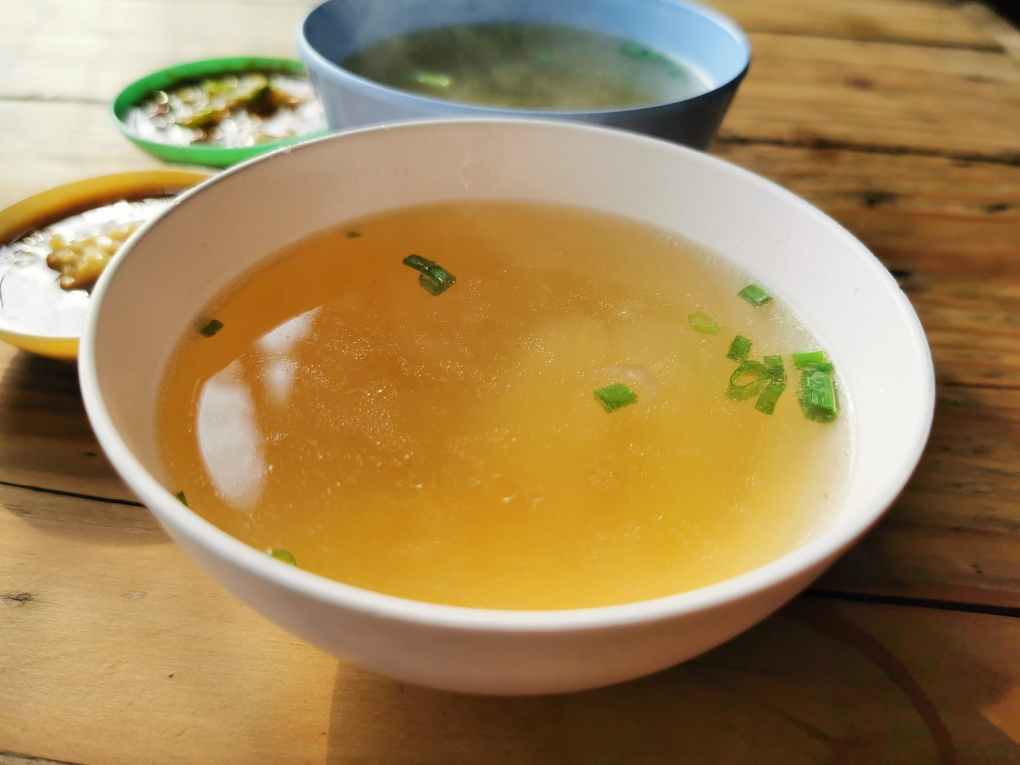
  8. When ready to eat, bring chicken broth to a boil in a cast iron skillet or Dutch oven. Add meat and vegetable mixture to the broth and bring it back to boil.
  9. To serve, place a small amount of cooked noodles in each serving bowl and ladle soup over noodles. The soup will heat up the noodles. Do not add noodles to the soup in the skillet because it will absorb too much liquid.
  10. sprinkle chopped green onions on top of soup to garnish.


Boost Your Collagen with Bone Broth and More!

Bone broth is all the rage for a good reason! It is a great source of collagen and contains many other nutrients your body needs to make collagen. 

But what exactly is collagen? Collagen is the primary structural protein in the body, essentially acting like the “glue” that holds us together. You can say it has form and function in our body such as providing elasticity and strength to our skin, repairing and replacing skin cells, and maintaining the health of joints, bones, ligaments, tendons, hair, skin, and nails.

With all these essential functions in the body, no wonder bone broth is popular with health enthusiasts as the new health food. But the fact is that bone broth has been around for thousands of years in Asia. For those who grew up with grandparents or just older parents from the old world, bone broth was likely a part of your diet, like it was for me. As a child, my mother made bone broth frequently and touted its goodness to entice me. I didn’t really understand all the benefits then but her bone broth did taste pretty good!

There is nothing complicated about making bone broth. Just simmer your bones of choice (chicken, beef, turkey, or fish) covered, over low heat for 48 hours. This will extract the most collagen and nutrients from the bones. A slow cooker works well if you don’t want to leave the stove on overnight. Once the broth has finished cooking, transfer to glass jars, let cool, and refrigerate or freeze. As the broth cools, you will notice a layer of gelatin forming. This is a good sign as the gelatin layer is the main source of collagen in bone broth, so be sure to keep it!

Here are some helpful tips to make your bone broth extra healthy and delicious: 

● Although not necessary, roasting your bones before simmering can improve the flavor of the broth.

● Since toxins are stored in fat and bone broth contains a lot of it, quality is key when purchasing bones. Look for bones from “organic”, “sustainable”, “grass-fed”, “pasture-raised”, and/or “free-range” sources.

● Add various organic vegetables, herbs, and spices to your broth for more flavor and nutrients. This is a great way to use up vegetable scraps like onion peels and carrot tops that you might normally throw away. Be creative and experiment with different seasonings to make your own signature bone broth!

● Add 1-2 tbsp of apple cider vinegar to your pot to give it a slightly acidic taste and assist with breaking down the bones.

If you are not a fan of bone broth or prefer not to eat meat, there are other ways to increase your collagen in the body by eating foods with collagen-boosting nutrients. Below are the top nutrients for supporting collagen formation:

NutrientFood Sources
ProlineEgg whites, meat, cheese, and soy
GlycineFish, meat, dairy, spinach, kale, cabbage, cauliflower, pumpkin, banana, and kiwi
HydroxyprolineMeat, fish, eggs, carob seeds, alfalfa sprouts
Vitamin CCitrus fruits, kiwi, strawberries, bell peppers, broccoli, and kale
Anthocyanins and antioxidantsBerries, herbs and spices such as oregano, rosemary, cinnamon, and turmeric
CopperBeef liver, sunflower seeds, cashews, chickpeas, lentils, dark chocolate, hazelnuts
SulfurGarlic, onions, egg yolk, cruciferous vegetables
Vitamin B6Chickpeas, meat, fish, potatoes, bananas, bulgur


How to Make A Virtual Dinner Party Easy with a Delicious Menu!

Don’t sweat over the menu and the logistics of a virtual dinner party! Remember the goal is to have some fun with your friends. My husband and I had a great time last night with 2 of our dearest foodie friends in Canada. That’s the beauty of a virtual dinner – sharing a meal in California and British Columbia at the same time! The border between US and Canada has been closed since March and it’s not likely to open anytime soon, so we were thrilled to find a way to cook and drink “together” again. Virtual dinner parties, like many behaviors (online shopping is a good example) that started out of necessity during the pandemic will likely continue.

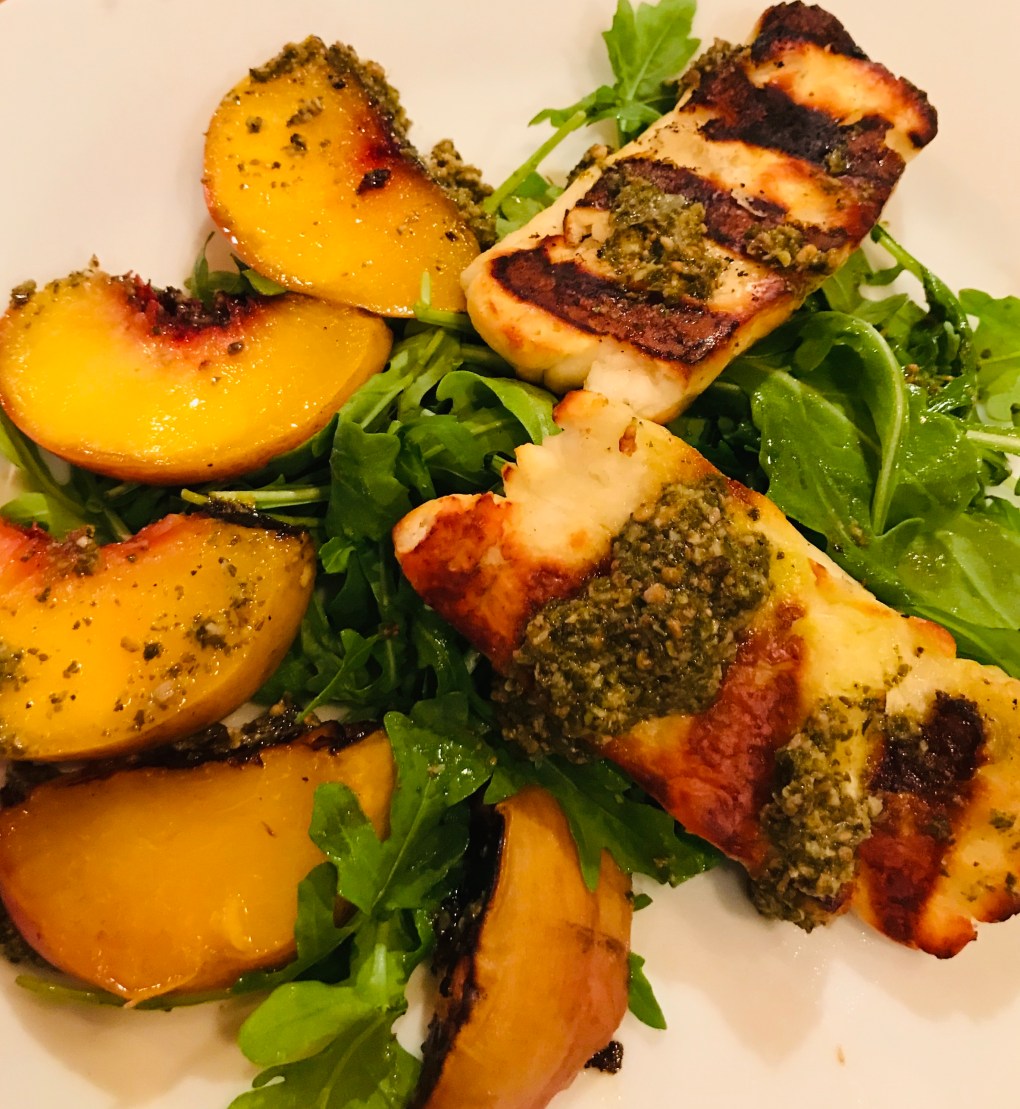
The key is to keep it simple! We just used FaceTime so we didn’t get frustrated setting up new technology unfamiliar to us. My husband put a standing pork roast on the grill rotisserie so it didn’t need much attention while cooking – leaving more time to socialize. I wanted to share a seasonal dish that is interesting and vegetarian but also easy to cook at the same time. I found the perfect recipe – Grilled peach Salad with Halloumi – in my Healthydigs Refresh Meal Plan Program. Click the link to find many more delicious recipes like this. If you haven’t grilled peaches and Halloumi cheese before, this is a must! This dish satisfies all five tastes – sweet, sour, bitter, salty and umami – of the tongue. I prepared all the ingredients ahead of time and then just grilled the peaches and Halloumi cheese for 5 minutes before plating. This was our first virtual dinner party and there will be many more to come, pandemic or not!


Five Easy Ways to Heal your Microbiome

What is Microbiome and why is it important to our health? I put these questions to my esteemed colleague, Lori Shore-Mouratoff, MD, at Cornerstone Integrative Medicine Clinic in Oakland, CA. This is what she shared with me:

Our body is host to trillions of bacteria, yeast and viruses that make up our microbiome. These organisms are responsible for helping us utilize and make vitamins, detoxify our bodies and maintain the integrity of our intestinal lining to prevent food sensitivities. Poor food choices, medications, stress, and lack of sleep can create an imbalance in the composition of these organisms causing gastrointestinal symptoms, joint pain, eczema, hormonal imbalance, obesity and brain fog.

Clearly, improving the health of your microbiome is vital to your well-being! Below are 5 lifestyle hacks Dr. Lori Shore-Mouratoff recommended :

1. Eat prebiotics that support favorable organisms

Inulin-type fructans modulate appetite, improve inflammatory bowel diseases, decrease colon cancer risk, increase absorption of minerals and vitamins and affect lipid metabolism by supporting the population and function of bifidobacteria and butyrate .

Foods containing inulin-type fructans for gut health:
LeeksRyeBarley
Chicory rootsOnionAsparagus
BananaGarlic Artichokes

Butyrate is an essential metabolite in the human colon, responsible for maintenance of the gut barrier, with immunomodulatory and anti-inflammatory properties.

Foods that support butyrate forming bacteria in your colon:
Whole Grains: Brown rice, whole gluten free oats, barley, rye, quinoa, buckwheat
Legumes: Lentils, chickpeas, kidney beans, pinto beans, mung beans, adzuki beans
Fruits and Vegetables: Leafy greens, apples, kiwi, berries, bananas, citrus

2. Increase polyphenols in your food plan

Polyphenols increase the amount of healthy bacteria in the gut, such as Lactobacillus and Bifidobacteria and also inhibit growth of potentially pathogenic bacteria.

Polyphenol Rich Foods:
Black elderberryGround flax seeds (Fresh)Pecans
Black currantDark ChocolatePrunes
BlueberryChestnutRed Currants
Globe artichoke headsBlack TeaPeach
CoffeeGreen TeaGreen Olives
CherryAppleRed Onion
StrawberryHazelnutGreen Grapes
BlackberryRed wineShallots
PlumBlack OlivesRed Chicory
RaspberrySpinachBroccoli

3. Eat fermented food everyday

Fermented foods are rich in probiotics and good bacteria . Try to include them in your meals daily!

Unsweetened yogurtKimchi
KefirTempeh
PicklesMiso
SauerkrautKombucha

4. Avoid the items that are harmful to beneficial bacteria

  • Trans fat, a.k.a partially hydrogenated oil
  • Sugar
  • High fructose corn syrup
  • Artificial sweeteners
  • Food additives
  • Processed food
  • Pesticides and chemicals

5. Reduce Stress

  • Try Restorative Exercises like Yoga, QiGong and TaiChi.
  • Start a meditation practice
  • Deep breathing: rub a drop of cedarwood, lavender or chamomile essential oils on your hands then inhale
  • Get enough sleep
  • Take a walk outside in nature
  • Increase your social connections
  • Engage in your community

.


Recharge with a Vacation Day!

With no end in sight to this pandemic, many of us are looking for staycation ideas. Summer vacation doesn’t have to be far away from home nor does it have to be for long. However,  it does have to refresh my mind with a sense of escape from my daily routine and recharge my body with some delicious healthy food. Why not consider a vacation day close to home? If that speaks to you, read on! 

Last Sunday, my family and I went out to Bolinas beach, Marin County, for a little surf and sun. It was only a little more than an hour from home but it felt like miles away from the urban center of the San Francisco Bay. The beach was relatively uncrowded so families were able to play together but still keep sufficient distance from others.  As I soaked up the sun on the beach, it felt as if the ocean breeze was gently sweeping away my anxiety from being sheltered at home. At the same time, the sound of the crashing waves carried my mind far away to the Hawaiian shores for a little mental escape. It only took a couple hours to forget how the Coronavirus has constricted our daily lives for the last 5 months. 

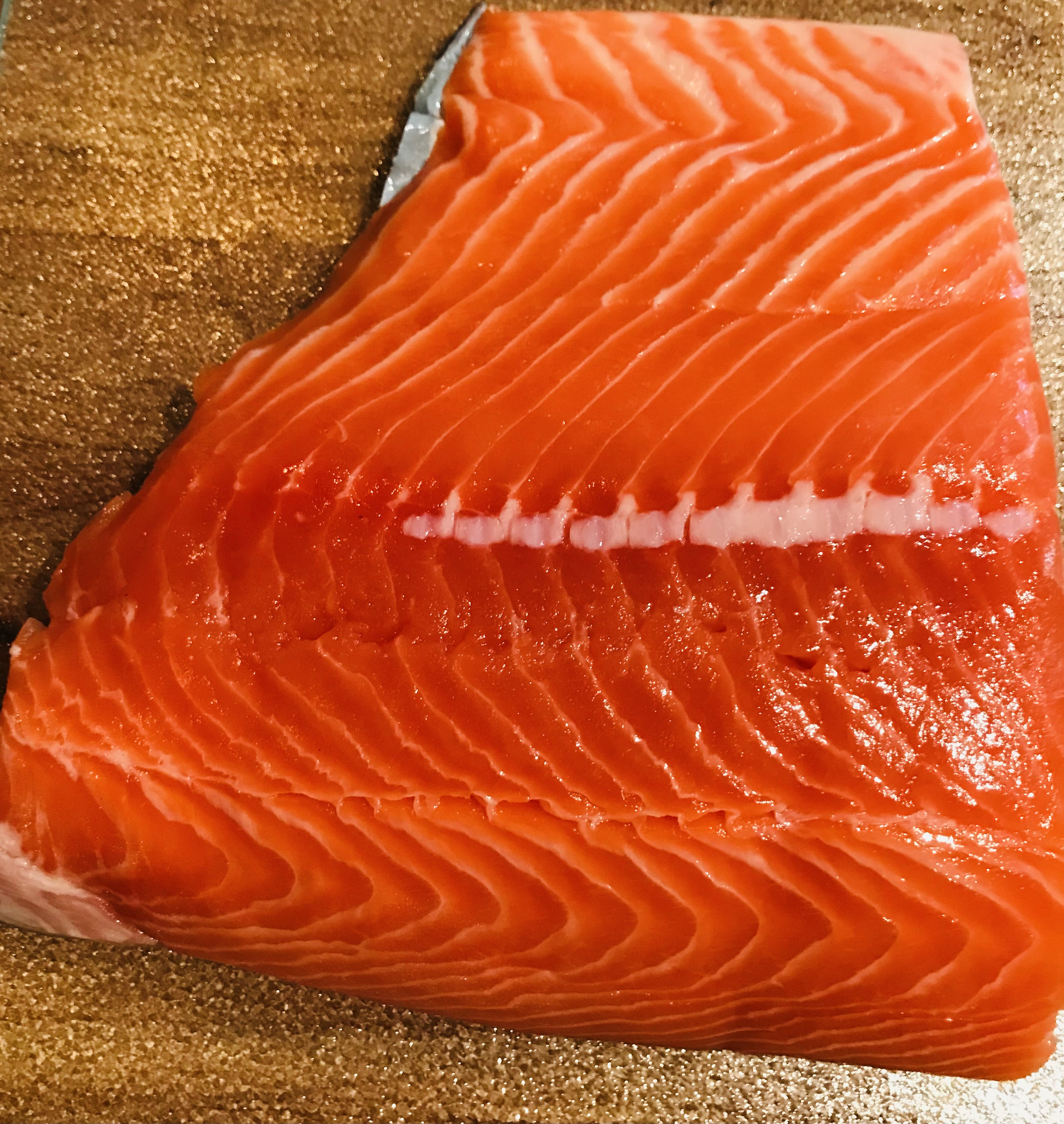
On our way home,  we surprisingly discovered a farm stand that had a pre-COVID personality of a farmers market. The quintessential experience of the farmers market – leisurely roaming through the farmer stands, chatting to the vendors, touching and smelling the freshness of the fruits and vegetables, and food sampling – were mostly intact here! From the street, it appeared to be just another roadside produce stand. The sign advertising fresh wild king salmon was the initial hook that pulled us off Sir Francis Drake Boulevard. Unknowingly, it turned out to be the farmers market outing that I was starving for.  Abiding social distancing and face mask rules, we chatted with The Farm Stand owner, Jim, about the source of his local products – an array of organic produce from CSAs in Marin county and Salinas area, fresh seafood from the bay, and grass-fed meat from local farms. As we were talking, crates of fresh local strawberries arrived so Jim threw one to us from a distance for sampling. We were sold!!! The woman who delivered the strawberries stepped up to a table in front of us with a picnic basket to assemble a couple of strawberry shortcakes, made with freshly baked biscuits and crème fraîche. I thought they were for sale but no such luck. They were for Jim and his co-worker as an expression of gratitude for selling her strawberries at the farm stand. With all this wonderful distraction, we had to redirect ourselves back to the the question about their King salmon. Jim excitedly told us that it was line-caught, wild and sushi-grade. We were sold again as soon as he pulled out a  piece of fresh King salmon with glistening red flesh – not a sight you see in the supermarket. He then up sold us once again with Hog Island oysters from Tomales Bay by shucking one for me to taste on the spot. By this point, I felt like an endless summer had just descended upon us with bountiful of fresh fruits, vegetables and seafood. 

Armed with all these fresh ingredients, it was easy and fun to create a farm-to-table meal in our own home! The highlight was the make-you-own sushi and bowl with salmon sashimi. An interactive meal with conversation about the beach action, the farm stand activities, the fresh local organic food and the art of making sushi rounded out this enjoyable vacation day for us!